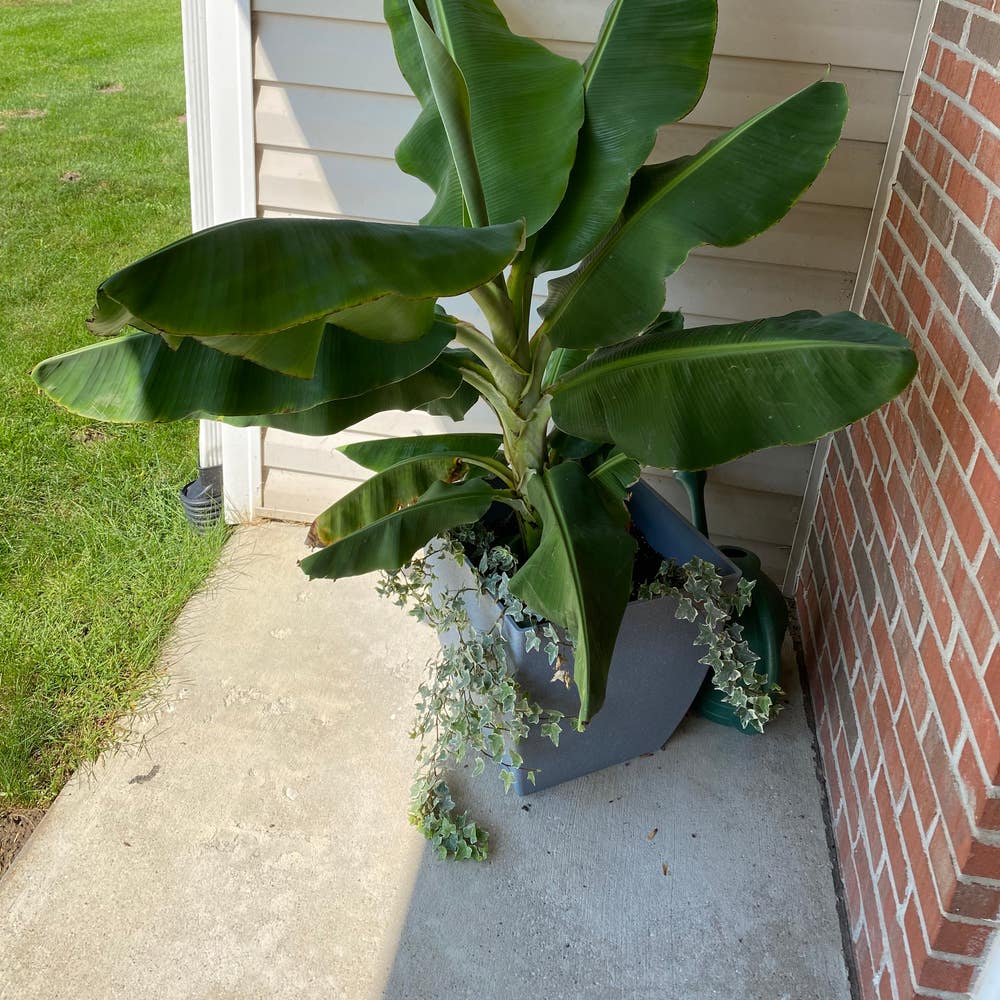
🍌 8 Secrets to Successfully Grow Ensete
Ensete ventricosum
By the Greg Editorial Team
Nov 26, 2024•6 min read
This article was created with the help of AI so we can cover more plants for you. May contain errors. See one? Report it here.
Cultivate vibrant ensete plants 🌱 with essential tips on location, soil, and care for thriving growth!
- 🌞 Ensete needs 6-8 hours of full sun daily for optimal growth.
- 🌱 Maintain soil pH between 5.5 and 7.0 for healthy ensete cultivation.
- 💧 Keep soil consistently moist but avoid overwatering to prevent root rot.
Choosing the Right Location
🌡️ Climate Requirements
To successfully grow ensete, aim for a temperature range between 20°C to 30°C (68°F to 86°F). High humidity levels are crucial for optimal growth, so consider your local climate carefully.
Frost can be a significant threat to ensete. If you live in a cooler region, you might want to grow it as an annual or provide protection during colder months.
☀️ Sunlight Exposure
Ensete thrives in full sun, requiring at least 6-8 hours of direct sunlight daily. However, in extremely hot climates, it can tolerate some partial shade.
Finding the right balance of sunlight is essential for healthy growth. Too little sun can stunt its development, while too much can lead to stress.
📏 Space Considerations
When planting ensete, ensure a minimum spacing of 3-4 feet apart. This distance promotes optimal growth and allows for adequate air circulation.
If you're using containers, consider their placement carefully. Ensure they receive enough sunlight while also being protected from strong winds, which can damage the plants.
With the right location, your ensete will flourish, setting the stage for successful growth. Next, let's delve into soil preparation to ensure your plants have the best foundation possible.
Soil Preparation
🌱 Soil Type and Composition
To successfully grow Ensete, you need well-draining, fertile soil rich in organic matter. A recommended soil mix for containers includes 50% potting soil, 30% compost, and 20% perlite to ensure optimal growth.
⚖️ Soil pH
The ideal pH range for Ensete is between 5.5 and 7.0, which promotes effective nutrient uptake. Before planting, conduct a soil test to check both pH and nutrient levels, ensuring your plants have the best start possible.
🛠️ Preparation Steps
Preparing your soil is crucial for healthy Ensete growth. Follow these steps for optimal results:
- Clear the planting area of weeds and debris to create a clean slate.
- Amend the soil with organic matter, such as compost or well-rotted manure, to boost fertility.
- Ensure proper drainage by incorporating perlite or sand if necessary, preventing waterlogging.
By taking the time to prepare your soil correctly, you set the stage for thriving Ensete plants. With the right foundation, your plants will flourish, leading to a successful gardening experience. Next, we’ll dive into effective planting techniques to help you get those seeds in the ground!
Planting Techniques
Planting from Seeds 🌱
Starting your ensete journey begins with seed preparation. Soak the seeds in water for 24 hours before planting to enhance germination.
Next, plant the seeds 1 inch deep in a seed tray or directly in the ground. Under optimal conditions, you can expect germination within 2 to 4 weeks.
Transplanting Seedlings 🌿
Once your seedlings reach a height of 6 to 12 inches, it's time to transplant them. Choose a sunny spot and plant them 3 to 4 feet apart, allowing ample space for growth.
Before moving them outdoors, harden off the seedlings by gradually acclimating them to outdoor conditions over 7 to 10 days. This step is crucial for ensuring they thrive in their new environment.
With these planting techniques, you're well on your way to nurturing healthy ensete plants. Next, let’s explore how to effectively water and fertilize your growing ensete for optimal health.
Watering and Fertilizing
💧 Watering Needs
To keep your ensete thriving, maintain consistently moist soil without letting it become waterlogged. Overwatering can lead to yellowing leaves and root rot, so watch for these signs to ensure your plant stays healthy.
📅 Fertilization Schedule
During the growing season, fertilize your ensete every 4-6 weeks to provide essential nutrients. A balanced NPK fertilizer, like 10-10-10, or organic options such as fish emulsion work well.
When applying fertilizer, spread it around the base of the plant, but avoid direct contact with the pseudostem to prevent damage. This simple step can make a significant difference in your plant's growth and vitality.
By understanding the watering and fertilizing needs of your ensete, you set the stage for robust growth and resilience. Next, let’s explore common challenges you might face and how to tackle them effectively.
Common Challenges and Solutions
Identifying Pests and Diseases 🐛
Pests and diseases can pose significant challenges when growing Ensete. Recognizing these issues early is crucial for maintaining healthy plants.
Common Pests
Aphids: These tiny insects can cause curled leaves and leave a sticky residue behind. If you notice these signs, it's time to take action.
Mealybugs: Look for white, cotton-like masses on leaves and stems. These pests can weaken your plants if not addressed promptly.
Common Diseases
Root Rot: This disease is often caused by overwatering. Symptoms include wilting and yellowing leaves, indicating that your plant is struggling.
Leaf Spot: A fungal disease that manifests as dark spots on leaves. It can spread quickly if not managed effectively.
Solutions for Growth Problems 💪
Addressing pests and diseases requires a proactive approach. Here are some effective solutions:
Pest Control Methods: Use insecticidal soap or neem oil to manage pest populations. These options are effective and less harmful to the environment.
Disease Prevention: Ensure proper watering techniques and maintain good air circulation around your plants. This helps prevent conditions that favor disease development.
By staying vigilant and implementing these strategies, you can overcome common challenges and enjoy a thriving Ensete garden. Next, let’s explore the seasonal care considerations that will keep your plants healthy year-round.
Seasonal Care Considerations
🌱 Seasonal Growth Cycle
Understanding the seasonal growth cycle of Ensete is crucial for successful cultivation.
Spring marks the active growth phase, where you should ramp up watering and fertilization to support new growth.
As we transition into Summer, this is the peak growth period. Keep a close eye on your plants for any signs of pests and adjust your care routine accordingly.
When Fall arrives, it's time to prepare for potential frost. If you have container plants, consider bringing them indoors to protect them from the cold.
During Winter, Ensete enters a dormant phase. Reduce watering and ensure outdoor plants are shielded from frost to help them survive until spring.
🔄 Adjusting Care Routines
Adjusting your care routines throughout the year is essential for maintaining healthy plants.
In Winter, decrease your watering frequency significantly. Conversely, during the hot summer months, increase watering to keep the soil consistently moist.
Fertilization also requires adjustments. In the fall and winter months, reduce or stop fertilization altogether to align with the plant's dormant state.
By paying attention to these seasonal changes, you can ensure your Ensete thrives year-round.
Next, let's explore common challenges and solutions that may arise during your Ensete growing journey.
⚠️ Safety First
This content is for general information and may contain errors, omissions, or outdated details. It is not medical, veterinary advice, or an endorsement of therapeutic claims.
Always consult a qualified healthcare professional before using any plant as food, medicine, or supplement.
Never eat any plant (or feed one to pets) without confirming its identity with at least two trusted sources.
If you suspect poisoning, call Poison Control (800) 222-1222, the Pet Poison Helpline (800) 213-6680, or your local emergency service immediately.
Spotted an error? Please report it here.
Grow your ensete like a pro 🌱 with Greg's custom watering plans and reminders that keep your plant thriving in the perfect conditions!