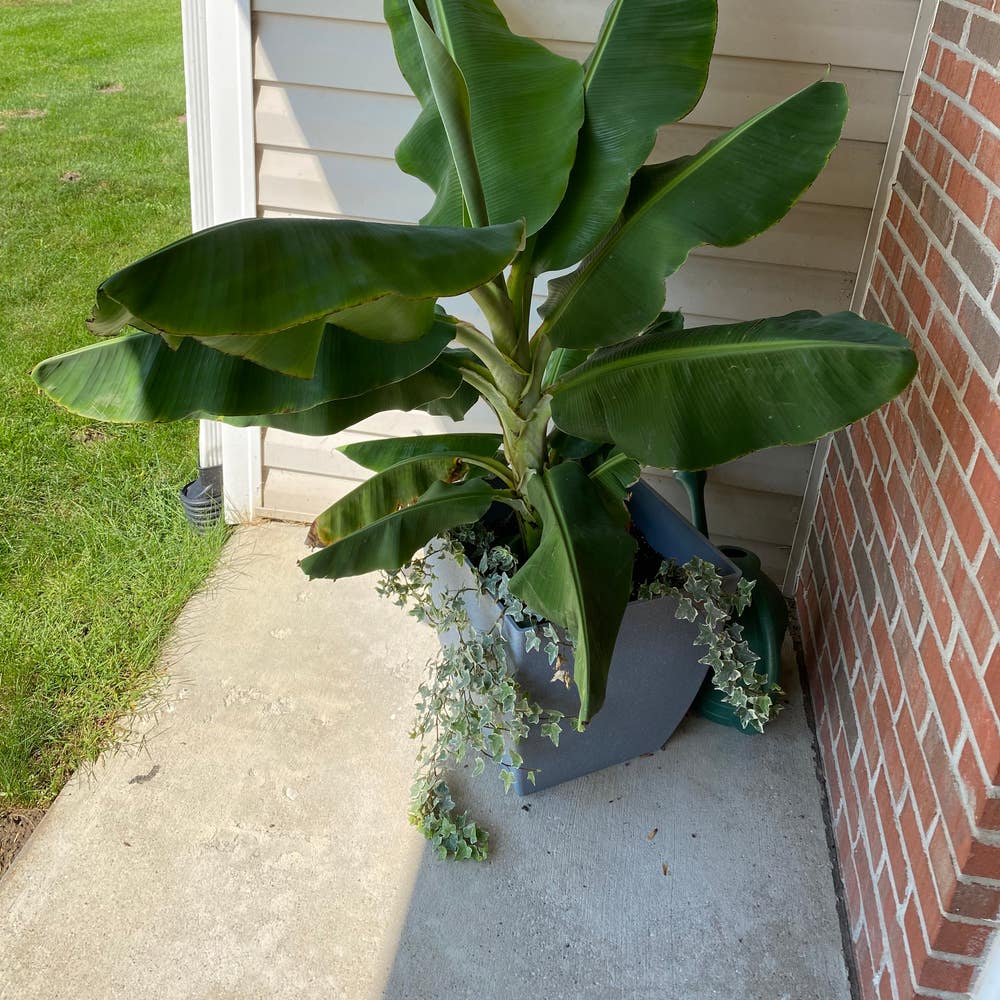
What's Eating Your Ensete 🐛
Ensete ventricosum
By the Greg Editorial Team
Nov 26, 2024•6 min read
This article was created with the help of AI so we can cover more plants for you. May contain errors. See one? Report it here.
Safeguard your Ensete from pesky herbivores 🌿 while nurturing a vibrant garden ecosystem with these expert tips!
- 🦌 Deer, rabbits, and squirrels are major threats to Ensete plants; protect them!
- 🚧 Use fencing and barriers to deter herbivores and safeguard your Ensete.
- 🌼 Beneficial wildlife can help; encourage pollinators while managing pests effectively.
Common Herbivores Affecting Ensete
🦌 Deer
Signs of presence
Look for distinctive hoof prints in muddy areas and dark, pellet-like droppings near the base of your Ensete plants. These signs indicate that deer are frequent visitors.
Damage caused
Deer browsing can strip leaves, leading to stunted growth. Additionally, they may scrape against the pseudostem, causing bark damage that weakens the plant.
Beneficial or harmful interactions
Deer are generally harmful to Ensete, particularly young plants, as they can decimate foliage and reduce overall vigor.
Management strategies
To manage deer, consider installing 8-foot tall fencing to prevent access. You can also use commercial deer repellents with strong scents or plant deer-resistant species nearby for an organic approach.
🐇 Rabbits
Signs of presence
Rabbits leave small, round footprints in soft soil and create clean cuts on stems and leaves at a 45-degree angle. These signs are telltale indicators of their presence.
Damage caused
Severe leaf loss from rabbit feeding can stress the plant and stunt its growth. This impact is particularly pronounced on young Ensete.
Beneficial or harmful interactions
Rabbits are generally harmful, significantly affecting young Ensete plants and their development.
Management strategies
To deter rabbits, use physical barriers like chicken wire or mesh around the base of the plant. You can also spray organic repellents, such as garlic or hot pepper solutions, to keep them at bay.
🐿️ Squirrels
Signs of presence
Chewed leaves and stems are clear evidence of squirrel activity, along with nests in nearby trees. These signs can help you identify their presence quickly.
Damage caused
Squirrels can strip bark, weakening the plant structure, and they often consume seeds before they can germinate, hindering reproduction.
Beneficial or harmful interactions
Squirrels are generally harmful, as their activities can hinder both growth and reproduction of Ensete.
Management strategies
Consider using live traps to relocate squirrels or applying squirrel repellents containing capsaicin to deter them.
🐦 Birds
Signs of presence
Look for small, scattered droppings near the plant and peck marks on leaves and flowers. These signs indicate that birds are feeding on your Ensete.
Damage caused
Birds feeding on flowers and fruits can reduce reproductive success, impacting the overall health of your plants.
Beneficial or harmful interactions
Bird interactions are mixed; while they can damage flowers, some birds help control insect populations, providing a balance in the ecosystem.
Management strategies
To protect your plants, cover them with bird netting during peak feeding times. You can also use scare tactics like reflective tape or decoys to deter birds.
🐭 Rodents (Mice, Voles)
Signs of presence
Rodents leave small burrows near the base of the plant and show evidence of feeding through chewed leaves and stems. These signs can indicate a rodent problem.
Damage caused
Root damage from rodents can lead to plant instability and decline, posing a serious threat to your Ensete.
Beneficial or harmful interactions
Rodents are generally harmful, causing significant damage to the plants.
Management strategies
Set snap traps or live traps around the garden to manage rodent populations. You can also use organic deterrents like peppermint oil to repel them.
🦡 Groundhogs/Woodchucks
Signs of presence
Groundhogs create large burrows with mounds of dirt and distinctive grazing patterns on vegetation. These signs can help you identify their presence.
Damage caused
Heavy feeding by groundhogs can completely strip plants of leaves and stems, leading to severe damage.
Beneficial or harmful interactions
Groundhogs are generally harmful and can devastate Ensete populations if not managed.
Management strategies
To deter groundhogs, consider installing underground fencing to prevent burrowing. Alternatively, contact local wildlife services for humane relocation options.
Understanding these common herbivores and their impacts on Ensete is crucial for maintaining a healthy garden. By implementing effective management strategies, you can protect your plants and promote their growth. Next, let’s explore the beneficial animals that play a positive role in the garden ecosystem.
Beneficial Animals and Ecosystem Roles
🌼 Positive Impacts on the Garden Ecosystem
In any garden, beneficial animals play a crucial role in maintaining balance. Pollinators like bees and butterflies are essential for flowering plants, including Ensete, as they facilitate reproduction and enhance fruit production.
Predatory insects, such as ladybugs and lacewings, contribute by controlling pest populations. Their presence helps keep harmful insects in check, promoting a healthier garden environment.
🛡️ General Strategies for Protecting Ensete
To protect your Ensete from herbivores while encouraging beneficial wildlife, consider companion planting. This involves growing plants that naturally deter herbivores, creating a more resilient ecosystem.
Regular monitoring is vital. Keep an eye out for signs of animal activity, such as tracks or damage, to catch potential issues early.
When you notice any damage, respond immediately. Quick action can prevent further harm and help your plants recover.
Adjusting care practices can also make a difference. Modifying watering or fertilization routines can promote resilience in your Ensete, making them less appealing to herbivores.
By fostering beneficial animals and implementing these strategies, you can create a thriving garden ecosystem that supports your Ensete while minimizing damage from unwanted visitors.
Next, let’s explore the seasonal considerations that affect animal interactions with your Ensete.
Seasonal Considerations
🐾 Seasonal Variations in Animal Attraction to Ensete
As the seasons change, so does the behavior of animals around Ensete plants. In spring, there's a noticeable uptick in activity as many herbivores emerge from hibernation, eager to munch on fresh growth.
Summer brings peak feeding times, with animals actively seeking out Ensete for its lush foliage. This is when vigilance is crucial to protect your plants from hungry visitors.
⏰ Timing of Plant Vulnerability and Animal Activity
Young Ensete shoots are particularly vulnerable in early spring. Their tender leaves attract a variety of herbivores looking for a nutritious meal.
By late summer, the focus shifts to fruit predation, as animals target the developing fruits. This timing is essential for gardeners to monitor and implement protective measures effectively.
Understanding these seasonal patterns can help you safeguard your Ensete and ensure a thriving garden. With proactive strategies, you can enjoy the beauty of your plants while minimizing damage from wildlife.
Toxicity and Safety
Toxic Effects of Ensete on Animals 🐾
Ensete, while generally safe, can cause mild digestive upset in some animals if consumed in large quantities. This is something to keep in mind, especially if you have curious pets or wildlife frequenting your garden.
Implications for Animal Interactions and Garden Safety 🦺
Understanding the toxicity of Ensete helps you navigate the complex interactions between plants and animals. While some animals may be deterred by its mild toxicity, others could be attracted, creating a delicate balance in your garden ecosystem.
Maintaining this balance is crucial for the health of your Ensete plants. By being aware of these dynamics, you can take proactive steps to protect your garden while fostering a thriving environment for beneficial creatures.
As you consider the safety of your plants, remember that vigilance is key. Regular monitoring and immediate responses to any signs of distress can help ensure your Ensete remains healthy and vibrant.
Next, let’s explore seasonal considerations that affect animal attraction to your Ensete plants.
⚠️ Safety First
This content is for general information and may contain errors, omissions, or outdated details. It is not medical, veterinary advice, or an endorsement of therapeutic claims.
Always consult a qualified healthcare professional before using any plant as food, medicine, or supplement.
Never eat any plant (or feed one to pets) without confirming its identity with at least two trusted sources.
If you suspect poisoning, call Poison Control (800) 222-1222, the Pet Poison Helpline (800) 213-6680, or your local emergency service immediately.
Spotted an error? Please report it here.
Keep your Ensete thriving 🌱 by using Greg's personalized alerts and community tips to fend off pesky herbivores and ensure a healthy garden ecosystem!