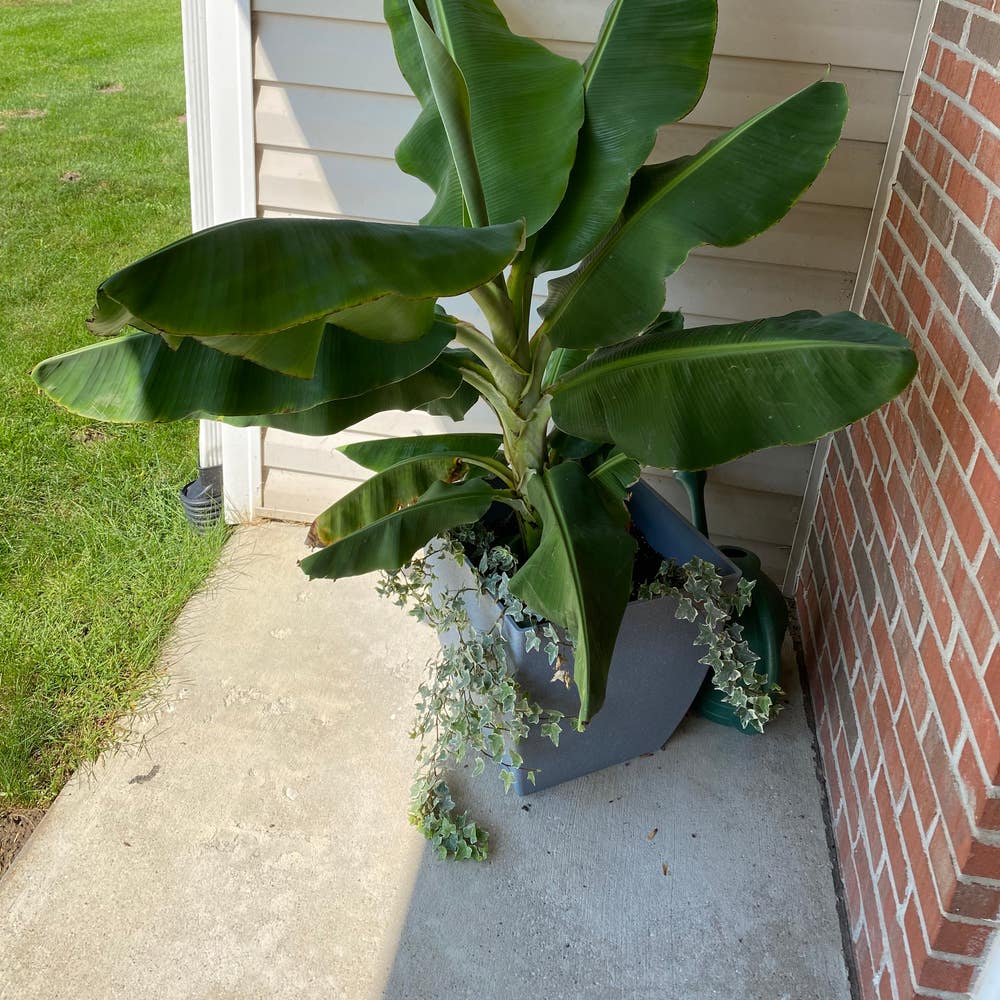
🍌 How to Prepare Your Abyssinian Banana for Winter
Ensete ventricosum
By the Greg Editorial Team
Oct 09, 2024•4 min read
This article was created with the help of AI so we can cover more plants for you. May contain errors. See one? Report it here.
Ensure your Abyssinian banana thrives 🌱 this winter with essential care tips for a vibrant spring recovery!
- ❄️ Protect your Abyssinian banana from frost using cloths or burlap for insulation.
- 🌱 Mulching retains heat and safeguards roots from freezing temperatures.
- 🌞 Indoor transition is key; acclimatize gradually for optimal winter survival.
Winter Care Techniques
❄️ Frost Protection Methods
Frost can be a sneaky adversary for your Abyssinian banana. To shield your plants, consider using frost cloths or burlap; these materials provide excellent insulation against chilly temperatures.
Mulching is another effective strategy. A thick layer of mulch around the base not only retains heat but also protects the roots from freezing.
For container plants, moving pots to sheltered areas or indoors before the frost hits is crucial. This simple step can make a significant difference in their winter survival.
💧 Adjusting Watering Schedules
As winter approaches, it's time to rethink your watering routine. Reducing watering frequency is essential to prevent root rot, which can be a real concern in colder months.
Watch for signs of overwatering, like yellowing leaves and mushy roots. A good rule of thumb is to water only when the top inch of soil is dry.
🌱 Fertilizing Practices
During winter, your Abyssinian banana enters a dormant phase, making reduced fertilization important. This practice helps prevent nutrient buildup, which can be harmful during dormancy.
Opt for low-nitrogen, slow-release fertilizers to support your plant without overwhelming it. Timing is key; apply fertilizer once in late fall, just before dormancy sets in.
With these winter care techniques, your Abyssinian banana will be well-prepared to weather the cold months ahead. Next, let’s explore how to transition your plant indoors for the winter.
Indoor Winter Care
Transitioning Indoors 🌱
Timing is everything when it comes to moving your Abyssinian banana indoors. Aim to transition before the first frost hits, as this helps prevent shock.
To acclimatize your plant, gradually introduce it to indoor conditions over a week. Start by bringing it in for a few hours each day, slowly increasing the time it spends indoors.
Ideal Indoor Conditions ☀️
Your Abyssinian banana thrives in bright, indirect sunlight. Position it near a window where it can soak up the light without being scorched.
Maintain a temperature range between 60°F to 75°F (15°C to 24°C) for optimal growth. Additionally, aim for humidity levels of 50% or higher; consider using a humidifier if your home tends to be dry.
By ensuring these ideal conditions, you set your plant up for a successful winter indoors. This preparation will help it bounce back beautifully come spring.
Spring Preparation and Recovery
🌨️ Signs of Winter Damage
As winter fades, your Abyssinian banana may show signs of distress. Look for brown, crispy leaf edges and stunted growth, which indicate that the plant has suffered during the colder months.
Check the roots as well. Mushy or discolored roots are clear indicators of frost damage and need immediate attention.
🌱 Steps for Recovery and Spring Preparation
Pruning Damaged Leaves: Start by removing any dead or damaged foliage. This encourages new growth and helps the plant focus its energy on healthier parts.
Assessing Root Health: Next, check the roots. If they appear unhealthy, consider repotting the plant in fresh, well-draining soil to promote recovery.
Gradual Reintroduction to Outdoor Conditions: Finally, reintroduce your plant to outdoor conditions slowly. Begin with partial sun exposure to help it acclimate without shock.
By following these steps, your Abyssinian banana will be well on its way to thriving in the warmer months ahead. Transitioning from winter to spring can be a delicate process, but with care, your plant will flourish once again.
Common Challenges and Solutions
🥶 Addressing Frost Damage
Frost can be a sneaky adversary for your Abyssinian banana. To identify frost damage, look for signs like discoloration and wilting leaves.
If you spot these issues, don’t panic. Prune the affected areas to promote new growth and provide extra warmth to help your plant recover.
❄️ Tips for Maintaining Cold Hardiness
Choosing the right cultivars is crucial. Research and select cold-hardy varieties that can withstand winter's chill.
Stay proactive by regularly checking weather forecasts. This allows you to implement protective measures when needed.
Lastly, keep an eye on soil moisture. Proper drainage is essential to prevent root issues during thawing periods, ensuring your plant remains healthy and resilient.
With these strategies, you can effectively tackle common winter challenges and keep your Abyssinian banana thriving. Next, let’s explore how to prepare for spring recovery and rejuvenation.
⚠️ Safety First
This content is for general information and may contain errors, omissions, or outdated details. It is not medical, veterinary advice, or an endorsement of therapeutic claims.
Always consult a qualified healthcare professional before using any plant as food, medicine, or supplement.
Never eat any plant (or feed one to pets) without confirming its identity with at least two trusted sources.
If you suspect poisoning, call Poison Control (800) 222-1222, the Pet Poison Helpline (800) 213-6680, or your local emergency service immediately.
Spotted an error? Please report it here.
Keep your Abyssinian banana thriving this winter ❄️ with Greg's tailored reminders and care tips that ensure it stays warm and healthy until spring!