5 Abyssinian Banana Varieties You Didn't Know About 🍌
Ensete ventricosum
By the Greg Editorial Team
Oct 09, 2024•5 min read
This article was created with the help of AI so we can cover more plants for you. May contain errors. See one? Report it here.
Transform your garden with stunning Abyssinian bananas 🌿, showcasing vibrant colors and unique sizes for every space!
- 🌱 Discover unique Abyssinian banana varieties, each with distinct characteristics and beauty.
- 🌈 Dwarf and Red varieties add charm and vibrant color to any garden space.
- 🌿 Proper care and spacing are essential for thriving, healthy Abyssinian bananas.
Popular Cultivars
🌟 Description of Notable Varieties
Ensete ventricosum
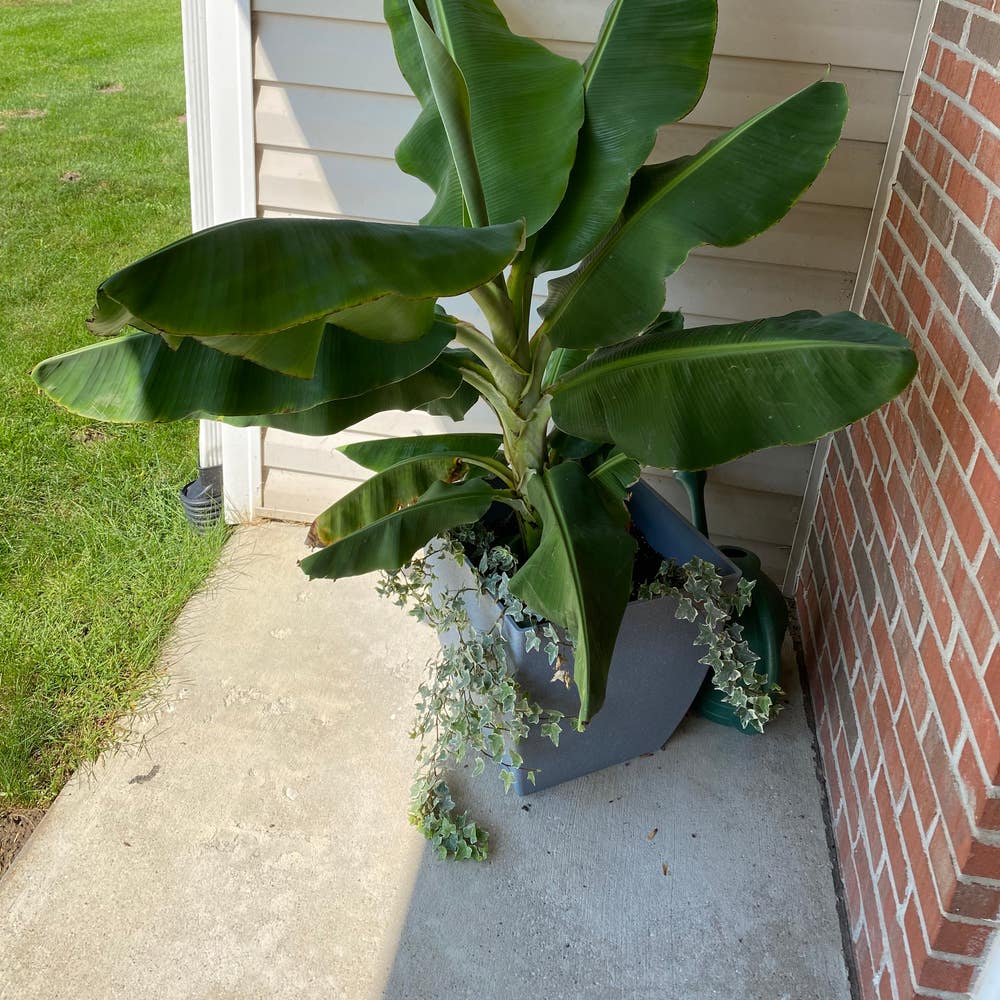
Ensete ventricosum is a standout among Abyssinian bananas. With its large, glossy leaves and robust growth, it serves primarily as an ornamental plant, though some cultures utilize it for food.
Dwarf Variety
The Dwarf variety is perfect for those with limited garden space. Its compact size allows it to thrive in smaller gardens while retaining the ornamental charm of its larger counterparts.
Red Variety
The Red variety features a striking reddish-purple pseudostem and leaf veins. This vibrant color adds a unique aesthetic appeal, making it a favorite for tropical gardens.
Variegated Variety
The Variegated variety showcases stunning cream and green striped leaves. Highly sought after for its ornamental value, it brings a distinctive flair to any garden setting.
These notable cultivars each offer unique characteristics and aesthetic benefits, making them excellent choices for diverse gardening styles. Next, we’ll explore the fascinating color variations found in Abyssinian bananas.
Color Variations
🌈 Overview of Color Differences
Abyssinian bananas showcase a stunning array of color variations, primarily in shades of green, red, and variegated patterns. These colors not only add visual interest but also create a dynamic atmosphere in any garden setting.
The vibrant hues can transform a mundane landscape into a tropical paradise. Whether you prefer the lush green of traditional varieties or the striking red and variegated options, each brings its own unique flair.
📈 Growth Impact of Color Variations
The color of the leaves can serve as a health indicator for your plants. Darker, vibrant leaves often signify robust growth and vigor, while faded or discolored leaves may suggest underlying issues.
Moreover, leaf color plays a crucial role in light absorption. Varieties with darker foliage typically absorb more sunlight, potentially leading to faster growth rates compared to lighter-colored counterparts.
Understanding these color dynamics can help you make informed choices for your garden. By selecting the right varieties, you can enhance both the aesthetic appeal and overall health of your plants.
As we delve deeper into the characteristics of Abyssinian bananas, let’s explore how size variations can further influence your gardening experience.
Size Differences
Comparison of Size Variations 🍌
Abyssinian bananas come in various sizes, making them versatile for different garden spaces. Most cultivars typically reach a height range of 10 to 15 feet, offering a striking presence in larger landscapes.
In contrast, dwarf varieties stand at a more manageable height of 4 to 6 feet. These compact plants are perfect for smaller gardens or patio settings, allowing everyone to enjoy their beauty without overwhelming the space.
Space Requirements 📏
When planting Abyssinian bananas, size plays a crucial role in spacing needs. Larger varieties require more room to spread out, while dwarf types can be planted closer together.
Consider how the size of each variety impacts your garden design. Proper spacing not only enhances aesthetics but also promotes healthy growth by ensuring adequate air circulation and light exposure.
Special Care Requirements
Specific Care Needs for Notable Varieties 🌱
Caring for Abyssinian bananas requires attention to their unique growth habits. Watering and fertilization should be tailored to each variety's size and growth rate.
For instance, larger varieties need more water and nutrients to support their robust growth. In contrast, dwarf varieties thrive with less frequent watering and lighter fertilization.
Pruning is another essential aspect of care. Regularly removing dead or damaged leaves helps maintain both the health and aesthetics of your plants.
Environmental Conditions Preferred by Different Varieties ☀️
Understanding the environmental needs of your Abyssinian bananas is crucial for their success. Most varieties prefer full sun, but some can tolerate partial shade, making them versatile for various garden layouts.
Soil type also plays a significant role in their growth. Well-draining soil rich in organic matter is ideal, ensuring that the roots receive adequate nutrients without becoming waterlogged.
By providing the right care and conditions, you can cultivate a thriving Abyssinian banana garden that showcases these stunning plants.
Transitioning to the next section, let’s explore the fascinating color variations that add even more visual interest to these unique cultivars.
Rare and Hybrid Varieties
Introduction to Rare Cultivars 🌿
Rare Abyssinian banana varieties are captivating due to their unique features and limited availability. These plants often showcase distinct characteristics, such as unusual leaf patterns or growth habits, making them a treasure for collectors and enthusiasts.
Some notable examples include the Abyssinian Red Banana, known for its striking reddish pseudostems, and the Musa acuminata 'Dwarf Brazilian', which offers a compact size with exceptional ornamental value. Each rare cultivar brings something special to the table, enhancing the diversity of your garden.
Discussion of Hybrid Varieties 🌱
Hybridization in Abyssinian bananas has led to exciting developments in the world of horticulture. By crossing different varieties, growers can create hybrids that boast enhanced traits, such as improved disease resistance and faster growth rates.
These hybrid varieties often adapt better to various environmental conditions, making them a practical choice for gardeners. Additionally, their ornamental value can surpass that of traditional varieties, providing both beauty and resilience in your landscape.
Incorporating rare and hybrid varieties into your garden not only enriches its aesthetic appeal but also contributes to a more sustainable gardening practice. As you explore these options, consider how they can elevate your gardening experience and inspire creativity in your outdoor space.
⚠️ Safety First
This content is for general information and may contain errors, omissions, or outdated details. It is not medical, veterinary advice, or an endorsement of therapeutic claims.
Always consult a qualified healthcare professional before using any plant as food, medicine, or supplement.
Never eat any plant (or feed one to pets) without confirming its identity with at least two trusted sources.
If you suspect poisoning, call Poison Control (800) 222-1222, the Pet Poison Helpline (800) 213-6680, or your local emergency service immediately.
Spotted an error? Please report it here.
Elevate your garden with stunning Abyssinian bananas 🌴 by using Greg's tailored care plans to ensure each unique variety flourishes in your space!