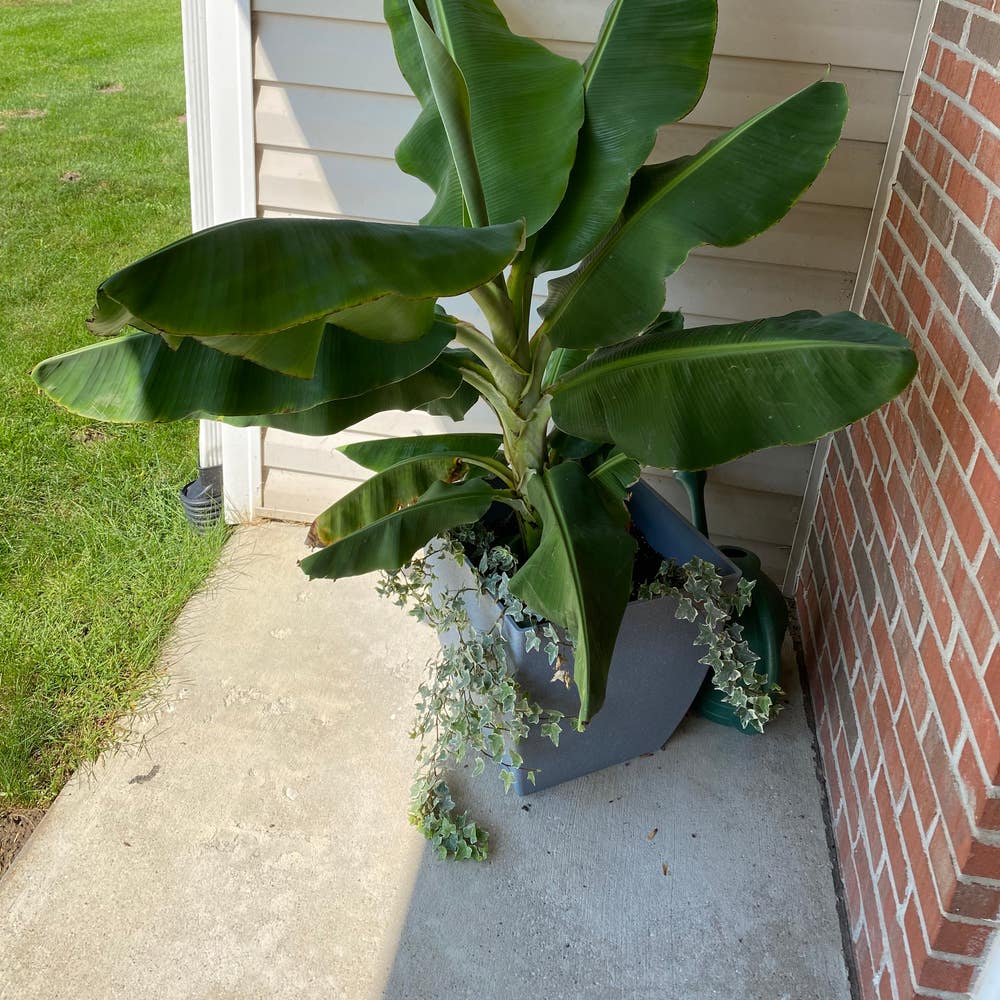
4 Perfect Plant Partners for Ensete 😊
Ensete ventricosum
By the Greg Editorial Team
Nov 26, 2024•5 min read
This article was created with the help of AI so we can cover more plants for you. May contain errors. See one? Report it here.
Elevate your garden's health 🌱 and beauty by mastering companion planting with Ensete for a thriving ecosystem!
- 🌱 Companion planting boosts Ensete's growth and health through beneficial plant relationships.
- 🐞 Strategic pairings reduce pests naturally, minimizing the need for chemicals.
- 🌼 Marigolds and Sweet Potato Vine enhance Ensete's environment and deter harmful pests.
Benefits of Companion Planting for Ensete
Enhancing Growth and Health 🌱
Companion planting offers significant advantages for Ensete, primarily through beneficial plant relationships. By strategically pairing Ensete with compatible plants, you can create a supportive environment that enhances its growth and overall health.
Moreover, companion plants play a crucial role in pest management. They can deter harmful insects, reducing the need for chemical interventions and promoting a more organic gardening approach.
Increasing Garden Diversity 🌼
Incorporating companion plants also boosts garden diversity. A diverse garden fosters a balanced ecosystem, making it more resilient against pests and diseases.
This diversity not only benefits Ensete but also contributes to a thriving garden environment. By planting a variety of species, you create a dynamic space that supports various forms of life, enriching your gardening experience.
With these benefits in mind, let's explore the best companion plants for Ensete that can enhance your garden's vitality and aesthetics.
Best Companion Plants for Ensete
🌼 Marigold (difficulty: easy)
Description and Care Needs
Marigolds are known for their bright, cheerful flowers. They thrive in full sun and prefer well-drained soil, making them an excellent choice for vibrant garden spaces.
Reasons for Compatibility
These flowers attract beneficial insects while effectively repelling nematodes and aphids. This natural pest control is a boon for Ensete, promoting healthier growth.
Benefits
Marigolds serve as a natural pest repellent, enhancing the visual appeal of your garden. Their vibrant colors can create a stunning contrast against the lush green leaves of Ensete.
🍠 Sweet Potato Vine (difficulty: easy)
Description and Care Needs
The Sweet Potato Vine is an ornamental plant that flourishes in full sun to partial shade. Its sprawling nature makes it an attractive ground cover.
Reasons for Compatibility
This vine retains soil moisture and suppresses weeds, creating a favorable environment for Ensete. Its growth habit helps protect the base of the Ensete plant.
Benefits
By providing shade to Ensete's base, Sweet Potato Vine helps maintain soil temperature. Additionally, its lush foliage adds visual interest to your garden design.
🌿 Coleus (difficulty: easy)
Description and Care Needs
Coleus plants are celebrated for their colorful foliage and thrive in partial shade with moist soil. They bring a splash of color to any garden.
Reasons for Compatibility
Coleus thrives in tropical conditions, making it a perfect companion for Ensete. It also attracts pollinators, which can enhance the overall health of your garden.
Benefits
Incorporating Coleus enhances garden diversity and provides a lush backdrop for Ensete. Its vibrant leaves create a striking visual contrast, enriching the garden's aesthetic.
🌱 Ginger (difficulty: moderate)
Description and Care Needs
Ginger is a tropical plant that prefers partial shade and rich, well-drained soil. Its unique foliage adds an exotic touch to your garden.
Reasons for Compatibility
Ginger shares similar care needs with Ensete, making it easy to cultivate alongside. Additionally, it acts as a natural pest deterrent, further supporting Ensete's health.
Benefits
By supporting pest management, Ginger contributes to a healthier garden ecosystem. Its exotic appearance also adds a unique flair, making your garden stand out.
These companion plants not only enhance the growth and health of Ensete but also contribute to a vibrant and diverse garden ecosystem. As you explore the next section, consider how to design a visually appealing garden that showcases these perfect plant partners.
Plants to Avoid Near Ensete
Description of Plants to Avoid 🌿
When planning your garden, it's crucial to know which plants to steer clear of near Ensete. Certain grasses and invasive species can create problems, so keep an eye out for these troublemakers.
Reasons for Incompatibility 🚫
These plants often compete fiercely for nutrients and water, which can stunt Ensete's growth. Additionally, some may attract pests that could harm your Ensete, undermining your gardening efforts.
By avoiding these incompatible plants, you can ensure a healthier environment for your Ensete and its companions. This thoughtful planning sets the stage for a thriving garden ecosystem.
Next, let’s explore how to design a garden that showcases Ensete and its perfect plant partners!
Visual Appeal and Garden Design
🌿 Designing a Garden with Ensete and Its Companions
Creating a cohesive garden layout with Ensete and its companions can elevate your outdoor space. Start by grouping plants with similar light and water needs to ensure they thrive together.
Consider the height and spread of each plant. Position Ensete as a focal point, surrounded by shorter companions to create depth and visual interest. This arrangement not only looks appealing but also maximizes space.
🎨 Enhancing Visual Appeal
When selecting companion plants, aim for those that complement Ensete's striking large leaves. Brightly colored flowers or textured foliage can create a stunning contrast.
For instance, pairing Ensete with vibrant marigolds or lush coleus enhances the overall aesthetic. These companions not only beautify the garden but also provide functional benefits.
🌼 Creating a Diverse Garden Ecosystem
Incorporating a variety of plants promotes biodiversity and resilience in your garden. Mix in flowering plants, ground covers, and even herbs to attract beneficial insects and pollinators.
Consider using a layered approach by planting taller species behind Ensete and shorter ones in front. This strategy not only optimizes space but also creates a thriving ecosystem that supports all your plants.
By thoughtfully designing your garden with Ensete and its companions, you can cultivate a vibrant, healthy space that delights the senses and fosters a rich environment. Next, let’s explore which plants to avoid near Ensete to ensure its optimal growth.
⚠️ Safety First
This content is for general information and may contain errors, omissions, or outdated details. It is not medical, veterinary advice, or an endorsement of therapeutic claims.
Always consult a qualified healthcare professional before using any plant as food, medicine, or supplement.
Never eat any plant (or feed one to pets) without confirming its identity with at least two trusted sources.
If you suspect poisoning, call Poison Control (800) 222-1222, the Pet Poison Helpline (800) 213-6680, or your local emergency service immediately.
Spotted an error? Please report it here.
Enhance your Ensete's growth and beauty by pairing it with the perfect companions, and let Greg guide you with tailored care tips for a thriving garden 🌿!