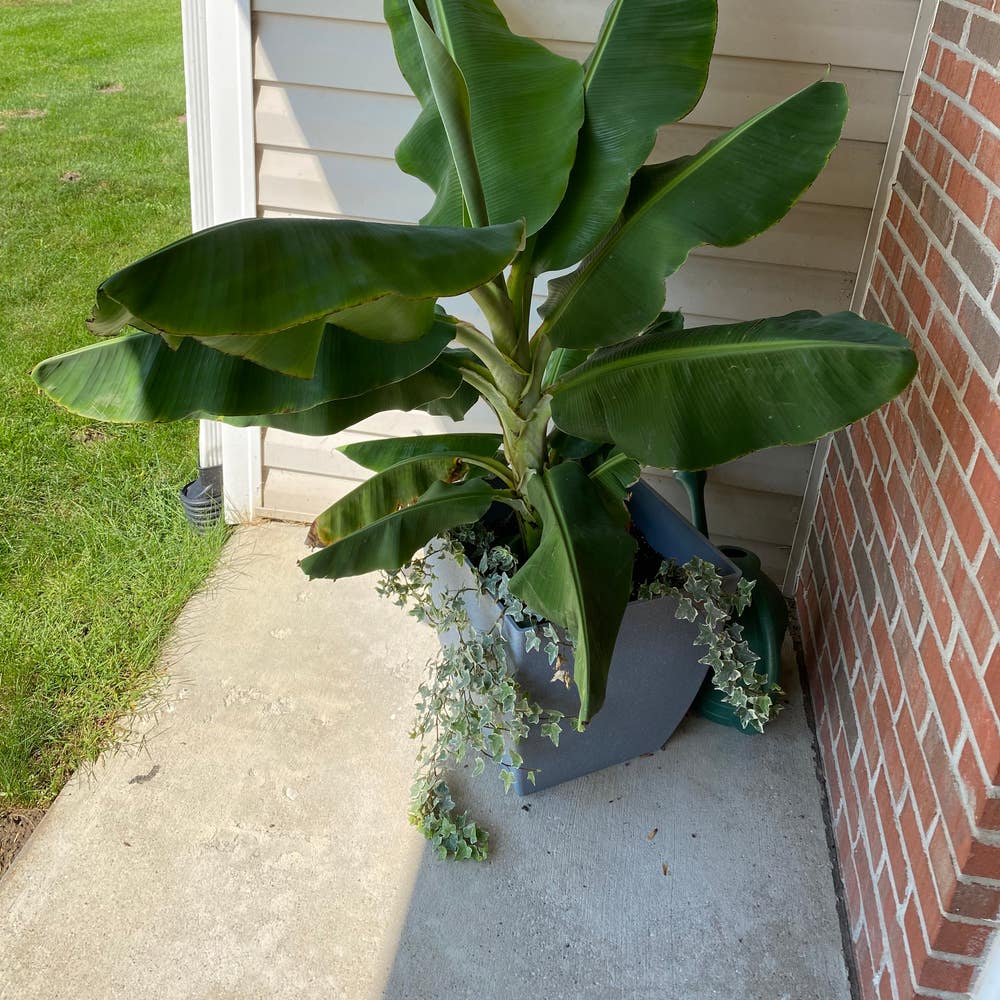
Ultimate Guide to Fixing Leaves Falling Over on Ensete 🍌
Ensete ventricosum
By the Greg Editorial Team
Nov 26, 2024•5 min read
This article was created with the help of AI so we can cover more plants for you. May contain errors. See one? Report it here.
Transform your drooping Ensete leaves 🌱 into a thriving spectacle with essential care tips and solutions!
- 🌡️💧 High temperatures and low humidity cause Ensete leaves to droop; maintain ideal conditions.
- 🚫💦 Overwatering leads to root rot; check soil moisture before watering your Ensete.
- 🌞🌱 Ensete needs 6-8 hours of light daily for optimal health and growth.
Causes of Leaves Falling Over
Understanding why your Ensete's leaves are falling over is crucial for effective care. Several factors can contribute to this issue, and recognizing them early can save your plant from further distress.
🌪️ Environmental Stress
High temperatures and low humidity can wreak havoc on your Ensete. Sudden temperature changes can also shock the plant, leading to drooping leaves.
💧 Overwatering
Overwatering is a common mistake that can lead to serious problems. Symptoms include yellowing leaves and root rot, which can ultimately kill your plant if not addressed.
🚰 Underwatering
On the flip side, underwatering can also cause leaves to fall over. Look for signs like wilting and dry leaf edges, which indicate your plant is thirsty.
🍃 Nutrient Deficiencies
A lack of essential nutrients can weaken your Ensete, making it more susceptible to drooping. If your plant isn't getting the right nutrients, its growth will suffer, leading to floppy leaves.
Recognizing these causes is the first step toward restoring your Ensete's health. Next, we’ll dive into diagnosing the specific problems affecting your plant.
Diagnosing the Problem
Assessing Environmental Conditions 🌡️
To keep your Ensete thriving, it's crucial to maintain the right environmental conditions. The ideal temperature range is between 20°C to 30°C (68°F to 86°F), while humidity levels should ideally sit between 60% to 80%.
Identifying Watering Issues 💧
Watering practices can make or break your plant's health. Signs of overwatering include root rot, mushy stems, and yellowing leaves, while underwatering manifests as wilting, dry soil, and crispy leaf edges.
Evaluating Light Exposure ☀️
Light exposure is another key factor in your plant's well-being. Ensete requires full sun to partial shade, ideally receiving 6-8 hours of light daily. If you notice stretched growth, pale leaves, or drooping, your plant may not be getting enough light.
Checking for Pests and Diseases 🐛
Pests and diseases can wreak havoc on your Ensete. Common pests include aphids, spider mites, and mealybugs, which leave behind sticky residue, webbing, and visible insects. Additionally, watch out for diseases like root rot and fungal infections, often caused by poor drainage.
By carefully assessing these factors, you can pinpoint the issues affecting your Ensete and take the necessary steps to restore its health. Next, let’s explore effective solutions for leaf drooping.
Solutions for Leaf Drooping
🌊 Adjusting Watering Practices
Establishing a consistent watering schedule is crucial for your Ensete's health. Water the plant when the top inch of soil feels dry to the touch; this simple practice can prevent both overwatering and underwatering.
Using well-draining soil is another key factor. A mix that allows excess water to escape will help prevent root rot, which is a common issue for drooping leaves.
To ensure you're on the right track, monitor moisture levels with a moisture meter. This tool provides accurate readings, helping you maintain the ideal soil moisture for your plant.
☀️ Modifying Light Conditions
If your Ensete is struggling, consider relocating it to a brighter spot. Adequate sunlight is essential, as these plants thrive in full sun to partial shade.
For indoor plants, using sheer curtains can be a game-changer. They filter harsh sunlight while still allowing enough light to nourish your plant.
🌱 Improving Soil Drainage and Quality
Choosing the right soil mix is vital for healthy growth. A blend of potting soil, perlite, and compost provides the necessary drainage and nutrients your Ensete needs.
If your plant is root-bound, repotting may be necessary. Ensure the new pot has drainage holes to promote healthy root development.
🐞 Implementing Pest Control Measures
Regular inspections are essential for keeping pests at bay. Check your plant weekly for any signs of infestation, such as sticky residue or visible insects.
If you do spot pests, consider using organic pest control methods. Neem oil or insecticidal soap can effectively treat infestations without harming your plant.
Finally, quarantine any new plants before introducing them to your collection. This precaution helps prevent the spread of pests to your existing plants.
With these solutions in place, your Ensete will be on the path to recovery. Next, let’s explore preventative care to keep your plant thriving long-term.
Preventative Care for Ensete
Best Practices for Watering and Fertilization 🌊
To keep your Ensete thriving, adjust your watering frequency based on seasonal changes and humidity levels. During the growing season, aim to fertilize with a balanced fertilizer every 4-6 weeks to provide essential nutrients.
Ideal Light and Humidity Levels ☀️
Maintaining the right humidity is crucial for your plant's health. Consider using a humidifier or pebble trays to increase moisture in the air.
Seasonal Care Adjustments 🍂
As seasons change, so should your care routine. In winter, reduce both watering and fertilization since the plant enters dormancy, while in summer, increase watering frequency and stay vigilant for pests.
By following these preventative care tips, you can ensure your Ensete remains healthy and vibrant throughout the year. Next, let’s explore how to monitor and maintain your plant for long-term success.
Monitoring and Maintenance
Regular Checks for Leaf Health 🌿
To keep your Ensete thriving, conduct weekly inspections. Look for signs of drooping, yellowing leaves, or pests that could indicate underlying issues.
Adjust your care based on these observations. If you notice any problems, modify your watering, light exposure, or humidity levels accordingly.
Signs of Recovery in Ensete 🌱
Watch for new leaf growth as a positive sign of recovery. This indicates that your plant is bouncing back and regaining its strength.
Additionally, healthy leaves should feel firm and upright. If your Ensete's leaves are perky, it's a good indication that your care strategies are working.
Long-Term Care Strategies for Healthy Growth 🌳
Establishing a consistent routine is crucial for your plant's health. Regular practices for watering, feeding, and monitoring will help your Ensete flourish.
Document any changes you make in care practices. Keeping a log of your plant's responses will provide valuable insights for future reference and help you refine your approach.
By staying attentive and proactive, you can ensure your Ensete remains vibrant and healthy. Now, let’s explore preventative care to maintain its well-being over time.
⚠️ Safety First
This content is for general information and may contain errors, omissions, or outdated details. It is not medical, veterinary advice, or an endorsement of therapeutic claims.
Always consult a qualified healthcare professional before using any plant as food, medicine, or supplement.
Never eat any plant (or feed one to pets) without confirming its identity with at least two trusted sources.
If you suspect poisoning, call Poison Control (800) 222-1222, the Pet Poison Helpline (800) 213-6680, or your local emergency service immediately.
Spotted an error? Please report it here.
Revive your Ensete's drooping leaves with smart care strategies 🌱, and let Greg guide you with personalized watering reminders and environmental insights for thriving growth!