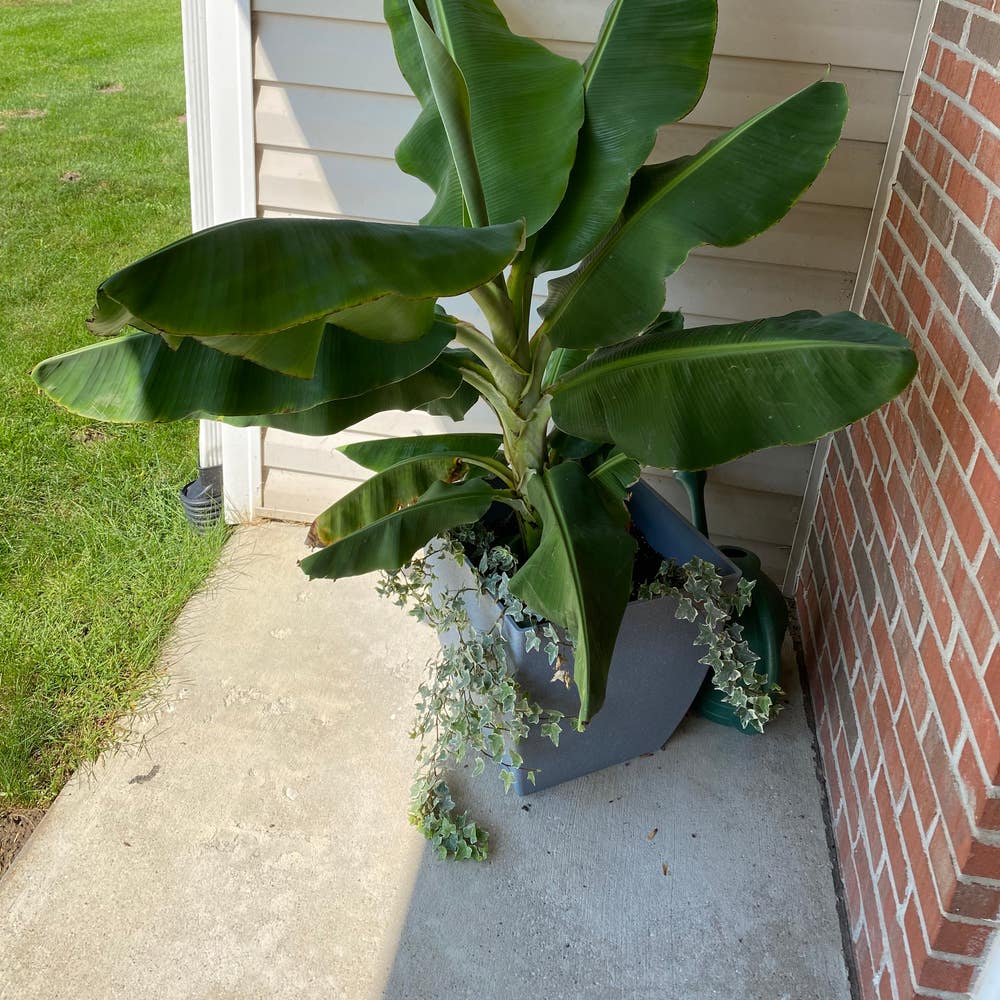
🍌 Full Grown Size of Ensete
Ensete ventricosum
By the Greg Editorial Team
Nov 26, 2024•5 min read
This article was created with the help of AI so we can cover more plants for you. May contain errors. See one? Report it here.
Elevate your garden's beauty 🌱 with Ensete plants that thrive in any space, big or small! 🌿
- 🌱 Ensete can grow 10-15 feet tall in optimal conditions, enhancing garden aesthetics.
- 🌍 Proper care and environment lead to full size in 3-5 years; plan accordingly!
- 🏡 Dwarf varieties are perfect for small spaces, reaching only 4-6 feet tall.
Mature Height and Spread
Height 🌱
Ensete plants typically reach a height of 10 to 15 feet (3 to 4.5 meters). This impressive stature is influenced by several factors, including the genetic potential of the specific variety and the environmental conditions in which they grow.
Spread 📏
The average spread of an Ensete is around 3 to 5 feet (0.9 to 1.5 meters). Understanding this spread is crucial for landscape design, as it dictates the space required for planting and affects the interaction with surrounding plants and structures.
Importance of Height and Spread 📐
When planning your garden, consider how the height and spread of Ensete will fit into your overall design. These dimensions not only enhance aesthetic appeal but also ensure that your plants thrive without overcrowding each other.
By keeping these factors in mind, you can create a balanced and harmonious garden space. Next, let’s explore the growth rate of Ensete and how quickly you can expect them to reach their full size.
Growth Rate
Rate of Growth 🌱
Ensete plants are known for their impressive growth rate, typically reaching full size within just 3 to 5 years. This rapid development can be influenced by several factors, including soil fertility and drainage, as well as the availability of sunlight and water.
Time to Full Size ⏳
Understanding the timeline for growth stages is crucial for gardeners. Initially, the establishment phase lasts about 1 to 2 years, during which the plant develops a strong root system. Following this, the maturation phase takes an additional 3 to 5 years, allowing the Ensete to achieve its full height and spread.
The journey from a small plant to a towering beauty is both exciting and rewarding. By providing the right conditions, you can witness this remarkable transformation firsthand.
As we explore further, let’s dive into how various environmental factors can affect the size variability of Ensete plants.
Size Variability Based on Conditions
🌱 Soil Type Influence
To achieve optimal growth, Ensete thrives in well-draining, fertile loam. This type of soil not only supports robust root development but also maintains the ideal pH range of slightly acidic to neutral (6.0 to 7.0).
Poor soil conditions can severely hinder growth. When planted in compacted or nutrient-deficient soil, Ensete may experience stunted growth, resulting in a smaller overall size.
🌡️ Climate and Temperature
Ensete prefers a cozy temperature range between 60°F to 85°F (15°C to 29°C). Staying within this range allows the plant to flourish and reach its full potential.
Extreme temperatures can pose significant challenges. Cold stress can slow growth, while excessive heat may lead to wilting and limit the plant's size.
💧 Watering and Fertilization
Consistent watering is crucial for healthy Ensete growth. Regular moisture helps the plant thrive, but overwatering can lead to root rot and ultimately reduce its size.
Fertilization also plays a key role in promoting rapid growth. Using a balanced NPK fertilizer at the right times can significantly impact the size and health of your Ensete.
Understanding these factors can help you create the perfect environment for your Ensete to flourish. Next, we will explore the various Ensete varieties and their unique characteristics.
Varieties
🌱 Dwarf Varieties
Dwarf Ensete varieties are perfect for those with limited space. Typically reaching heights of 4 to 6 feet (1.2 to 1.8 meters), they fit beautifully in smaller gardens or even in containers.
These compact plants offer a lush, tropical feel without overwhelming your space. Their manageable size makes them an excellent choice for urban gardening or patios.
🌳 Giant Varieties
On the other end of the spectrum, giant Ensete varieties can soar to heights exceeding 20 feet (6 meters). These impressive plants serve as stunning focal points in large landscapes, creating a dramatic visual impact.
Their towering presence can transform any garden into a tropical paradise. If you have the space, these giants are sure to make a statement and draw admiration from all who see them.
With a variety of sizes available, you can choose the perfect Ensete to suit your gardening needs. Whether you opt for a dwarf or a giant, each variety brings its unique charm and beauty to your outdoor space.
As we explore the factors that influence the size of these plants, you'll discover how to cultivate them to their full potential.
Controlling Size
🌿 Pruning Techniques
Pruning is essential for controlling the size of your Ensete. It encourages bushier growth while limiting height, making it a practical choice for smaller spaces.
To achieve the best results, timing is crucial. Aim to prune in late winter or early spring, just before new growth begins. Focus on removing lower leaves and cutting back pseudostems to maintain a manageable size.
📦 Other Control Methods
Using containers is another effective way to limit the size of your Ensete. Growing in pots not only restricts root growth but also allows for easier mobility and aesthetic flexibility in your garden.
When selecting pots, consider sizes that are appropriate for the plant's growth stage. A well-draining soil mix is vital, as it supports healthy growth while preventing root issues.
Additionally, you can make environmental adjustments to influence growth. Modifying light exposure and watering patterns can help you manage the size of your Ensete effectively.
With these strategies, you can enjoy the beauty of Ensete without overwhelming your space. Next, let’s explore the fascinating varieties of this remarkable plant.
⚠️ Safety First
This content is for general information and may contain errors, omissions, or outdated details. It is not medical, veterinary advice, or an endorsement of therapeutic claims.
Always consult a qualified healthcare professional before using any plant as food, medicine, or supplement.
Never eat any plant (or feed one to pets) without confirming its identity with at least two trusted sources.
If you suspect poisoning, call Poison Control (800) 222-1222, the Pet Poison Helpline (800) 213-6680, or your local emergency service immediately.
Spotted an error? Please report it here.
Unlock the towering beauty of your Ensete plants 🌿 with Greg's tailored care reminders, ensuring they thrive to their full-grown size in your garden!