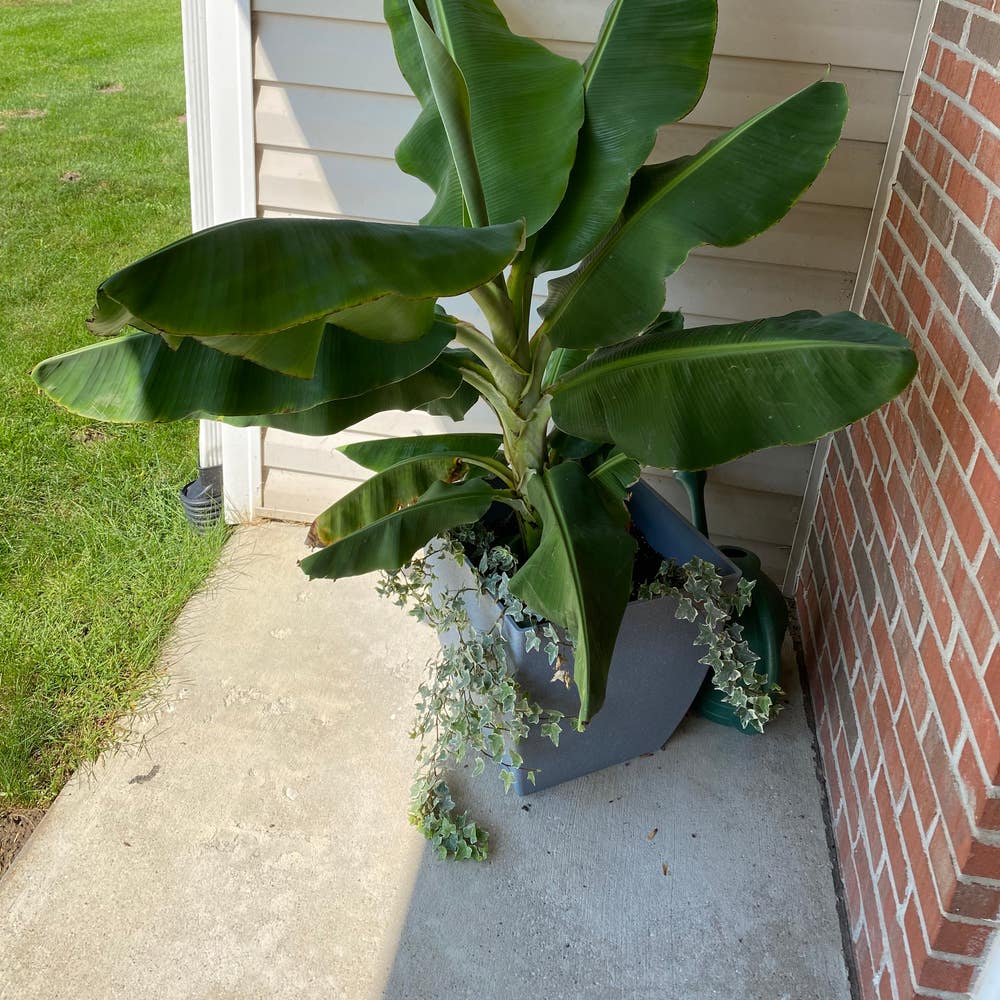
4 Outdoor Care Hacks for Abyssinian Banana 🍌
Ensete ventricosum
By the Greg Editorial Team
Oct 09, 2024•6 min read
This article was created with the help of AI so we can cover more plants for you. May contain errors. See one? Report it here.
Transform your garden with thriving Abyssinian bananas 🌱 by mastering sunlight, watering, and care essentials!
- 🌞 Abyssinian bananas need 6-8 hours of sunlight for optimal growth and health.
- 💧 Water deeply once a week to maintain consistent soil moisture and prevent wilting.
- 🌱 Fertilize every 4-6 weeks during growing season for vibrant, healthy plants.
Sunlight Needs and Optimal Light Conditions
Ideal Sunlight Exposure 🌞
Abyssinian bananas thrive in full sun, requiring at least 6-8 hours of direct sunlight daily. In extremely hot climates, they can tolerate some partial shade, which helps prevent leaf scorch.
Effects of Insufficient Light 🚫
When these plants don’t get enough light, their growth can stall. You’ll notice smaller, less vibrant leaves and an increased risk of pests and diseases, which can lead to bigger problems down the line.
Understanding the sunlight needs of your Abyssinian banana is crucial for its health and vitality. With the right light conditions, you’ll set the stage for a flourishing plant that brings joy and beauty to your outdoor space.
Next, let’s dive into the watering requirements to keep your Abyssinian banana thriving.
Watering Requirements and Frequency
🌊 General Watering Guidelines
Abyssinian bananas thrive on consistent moisture. Keep the soil evenly moist, but be careful not to let it become waterlogged.
Water deeply once a week, and increase the frequency during hot weather. This ensures your plant gets the hydration it needs to flourish.
🚰 Signs of Under or Overwatering
Underwatering is easy to spot: look for wilting leaves and dry soil. If you notice these signs, it’s time to give your plant a good drink.
On the flip side, overwatering can lead to yellowing leaves and root rot. Always check the soil moisture before watering to maintain a healthy balance.
This careful attention to watering will set your Abyssinian banana up for success. Next, let’s explore the ideal soil preferences and fertilization techniques to keep your plant thriving.
Soil Preferences and Fertilization
Ideal Soil Composition 🌱
Abyssinian bananas thrive in well-draining soil rich in organic matter. Incorporating compost not only enhances drainage but also provides essential nutrients.
The ideal soil pH for these plants ranges from slightly acidic to neutral, specifically between 6.0 and 7.0. This balance ensures optimal nutrient availability for robust growth.
Fertilization Schedule and Types of Fertilizers 🌿
To keep your Abyssinian banana flourishing, fertilize every 4-6 weeks during the growing season. This regular feeding supports healthy growth and vibrant foliage.
You can choose between a balanced NPK fertilizer, like a 10-10-10 mix, or organic options such as fish emulsion. Both types will nourish your plant effectively, so pick what aligns with your gardening style.
Signs of Nutrient Deficiency ⚠️
Watch for yellowing leaves, which often indicate a nitrogen deficiency. This is a clear signal that your plant needs more nutrients to thrive.
Additionally, poor growth can suggest a lack of essential nutrients. Regular monitoring will help you catch these issues early, ensuring your Abyssinian banana remains healthy and strong.
With the right soil and fertilization practices, your Abyssinian banana will not only survive but thrive. Next, let’s explore the best planting options and how to protect your plant from extreme weather conditions.
Planting Options and Weather Protection
Benefits and Drawbacks of Container Planting 🌱
Container planting offers fantastic mobility. You can easily move your Abyssinian banana to catch optimal sunlight or shield it from harsh weather.
However, this method has its limitations. The restricted root space in containers may hinder the plant's growth potential, making it essential to choose the right size pot.
Benefits and Drawbacks of In-Ground Planting 🌍
In-ground planting allows for a larger root system. This setup promotes robust growth and stability, giving your banana plant the space it needs to thrive.
On the flip side, in-ground plants lack mobility. If weather conditions change, relocating them can be challenging.
Strategies for Protecting Against Extreme Weather ⛈️
To safeguard your plants from extreme weather, consider using shade cloth. This provides relief during peak sun hours, helping to prevent sunburn on those vibrant leaves.
For colder nights, frost cloth is your best friend. Covering your plants can protect them from frost damage, ensuring they stay healthy through chilly spells.
Pest and Disease Management
🐜 Common Outdoor Pests Affecting Abyssinian Banana
Aphids
Aphids are small, soft-bodied insects that can wreak havoc on your Abyssinian banana plants. Look for sticky residue on leaves and curled foliage as telltale signs of an infestation.
To control aphids, consider using neem oil or insecticidal soap. These methods are effective and less harmful to beneficial insects.
Spider Mites
Spider mites are another common pest that can affect your plants. You might notice fine webbing and stippled leaves, indicating their presence.
Increasing humidity around your plants can help deter spider mites. If the problem persists, miticides can be an effective solution.
⚠️ Signs of Disease and How to Treat Them
Leaf Spot
Leaf spot manifests as brown spots on the leaves, signaling potential trouble. If you notice these symptoms, act quickly.
Remove affected leaves and improve air circulation around your plants to prevent further spread. This simple step can make a significant difference.
Root Rot
Root rot is a serious issue that can lead to wilting, even when the soil is adequately watered. This condition often arises from poor drainage.
To combat root rot, focus on improving drainage and avoid overwatering. Adjusting your watering habits can save your plant from further decline.
🌱 Organic Pest Control Methods
For those looking for eco-friendly solutions, organic pest control methods can be highly effective. Companion planting is a great strategy; choose plants that naturally deter pests.
Additionally, handpicking pests can be a simple yet effective way to keep your plants healthy. Regular checks can help you catch infestations early, ensuring your Abyssinian banana thrives.
With these pest and disease management strategies, you can keep your plants healthy and vibrant. Next, let’s explore seasonal care tips to ensure your Abyssinian banana flourishes throughout the year.
Seasonal Care and Special Considerations
🌱 Spring Care Tips for New Growth
As spring arrives, it's time to kickstart your Abyssinian banana's growth. Begin fertilizing as soon as you notice new shoots emerging.
Pruning is also essential during this season. Remove any dead or damaged leaves to encourage healthy growth.
☀️ Summer Maintenance and Watering Adjustments
Summer brings heat, so be prepared to adjust your watering routine. Monitor soil moisture closely, ensuring it remains consistently moist but not soggy.
Regular pest checks are crucial during these warmer months. Inspect your plants frequently for any signs of pests that may try to take advantage of the growing season.
🍂 Fall Preparation for Winter
As temperatures begin to drop, it's time to prepare your plants for winter. Apply a thick layer of mulch around the base to protect the roots from the cold.
Gradually reduce your watering frequency as the weather cools. This helps your plant acclimate to the changing conditions.
❄️ Winter Care Strategies in Different Climate Zones
For those in USDA Zone 9 and above, minimal protection is usually needed. Continue with your regular care routine, and your plants should thrive.
If you're in Zone 8 or below, consider bringing container plants indoors or using frost protection methods. This will help safeguard them from harsh winter conditions.
🌍 Climate Zone Adaptability
Abyssinian bananas are best suited for USDA zones 9-11. They can struggle in colder climates, so understanding your zone is key to successful growth.
With the right seasonal care, your Abyssinian banana will flourish throughout the year. Next, let’s dive into effective pest and disease management strategies to keep your plant healthy and vibrant.
⚠️ Safety First
This content is for general information and may contain errors, omissions, or outdated details. It is not medical, veterinary advice, or an endorsement of therapeutic claims.
Always consult a qualified healthcare professional before using any plant as food, medicine, or supplement.
Never eat any plant (or feed one to pets) without confirming its identity with at least two trusted sources.
If you suspect poisoning, call Poison Control (800) 222-1222, the Pet Poison Helpline (800) 213-6680, or your local emergency service immediately.
Spotted an error? Please report it here.
Unlock the secret to a thriving Abyssinian banana 🌿 with these outdoor care hacks, and let Greg guide you with personalized watering reminders and tailored tips for vibrant growth!