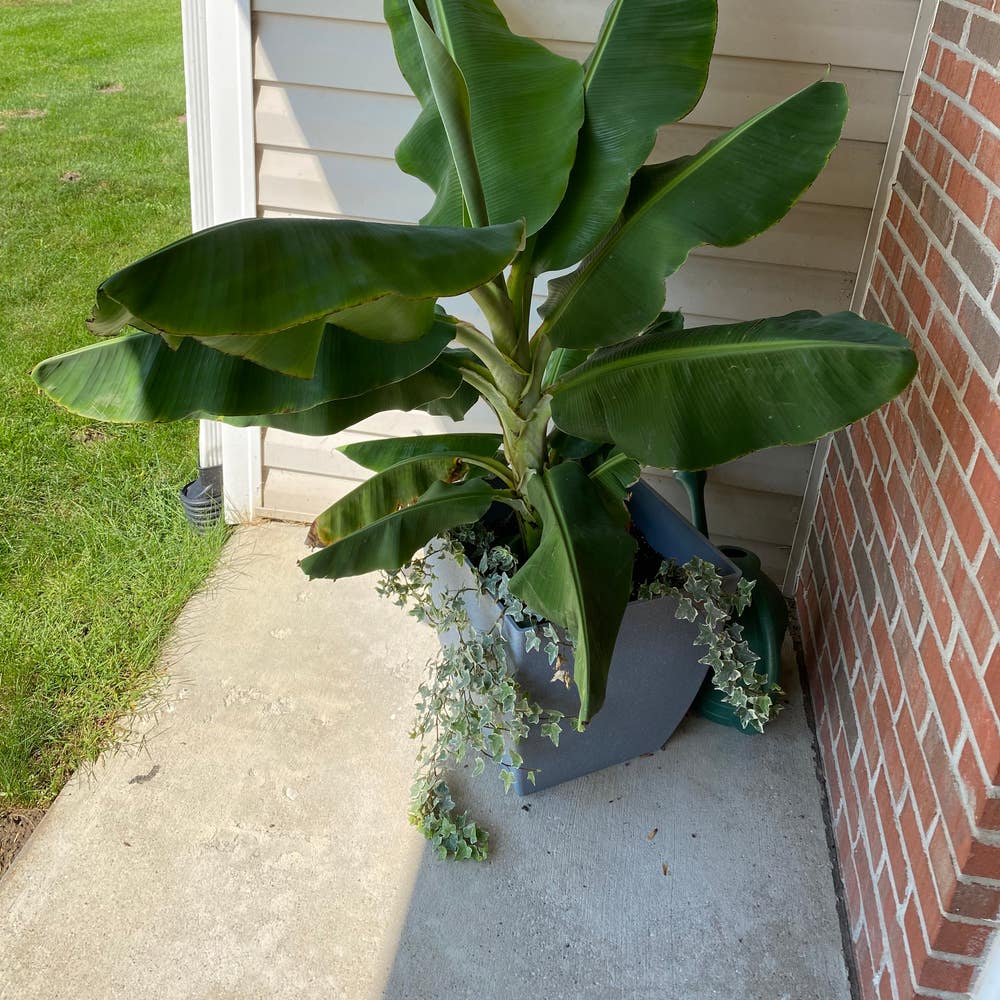
Soil Recommendations for Abyssinian Banana
Ensete ventricosum
By the Greg Editorial Team
Jun 18, 2024•3 min read
This article was created with the help of AI so we can cover more plants for you. May contain errors. See one? Report it here.
Discover the secret to lush Abyssinian Banana growth 🌿 with this tailored soil mix guide—your plant's success starts underground!
- Avoid soggy, compacted soil; use perlite and organic compost for drainage.
- Orchid bark, coir, and worm castings make the ideal soil mix.
- Monitor pH levels; aim for slightly acidic to neutral (5.5-7.0).
Spotting and Fixing Unhappy Abyssinian Banana Soil
🚨 Recognizing the SOS Signs from Your Soil
Soggy soil is a no-go for Abyssinian Bananas. If you're seeing leaves that look more down than a Monday morning, it's time to check the dirt. Compacted soil is another buzzkill for these tropical treasures, and if your plant's home smells like a forgotten gym locker, mold may have moved in.
🔄 Turning the Soil Ship Around
Got drainage drama? Perlite is your plant's new best friend. Mix it into the existing soil to get that water flowing. If the soil's tighter than your jeans after Thanksgiving, loosen it up with some coarse sand or organic compost. And if you've got the moldy blues, it's repotting time—swap out that stale soil for a fresh, well-draining mix that'll have your Abyssinian Banana doing the happy dance.

The Perfect Soil Mix Recipe for Abyssinian Banana
🌱 The Ingredients List
Orchid bark and perlite are the dynamic duo for drainage, ensuring your Abyssinian Banana doesn't drown in its own pot. Coir, the moisture maestro, keeps the soil from drying out faster than a desert mirage. Activated charcoal acts like a bouncer at a club, only letting the good stuff through and keeping the riff-raff out. Lastly, worm castings sneak in the nutrients like a plant's secret agent.
🌿 Mixing It Up
First, sanitize your tools. It's like prepping for surgery, but for plants. Grab a large container and throw in 5 parts orchid bark, 4 parts coir, 5 parts perlite, 2 parts activated charcoal, and 2 parts worm castings. Mix it like you're a DJ at a plant party. Fill your pots, leaving space for water to escape without creating a mini flood. Water the mix thoroughly, then let it drain. It's a mini spa day for your soil before it gets down to business.

Balancing the pH for Your Abyssinian Banana
🌱 Why pH Matters
Soil pH isn't just a detail; it's the backbone of your Abyssinian Banana's well-being. Get it wrong, and you're basically handcuffing those roots, keeping them from the buffet of nutrients they're drooling for. Abyssinian Bananas prefer a slightly acidic to neutral pH, somewhere between 5.5 and 7.0, to thrive.
🧪 Testing and Adjusting
Testing your soil's pH is like checking the oil in your car; skip it, and you're in for a bumpy ride. Grab a test kit or a digital pH meter, and get down to business. If your soil's pH is too high or low, it's time to channel your inner chemist. To lower pH, think sulfur or peat moss. To raise it, lime is your friend. But go easy—think seasoning, not dumping. After tweaking, keep an eye on the pH like a hawk to ensure it stays in that sweet spot.

When to Refresh and Replace Your Soil
🕵️ Spotting the Signs for a Soil Change
Your Abyssinian Banana will whisper (or yell) when it's time for a soil switcheroo. Look for compacted soil that's as welcoming as a brick wall. If the leaves are throwing a tantrum with yellowing or drooping, they're begging for a change. Roots peeking out like nosy neighbors? That's your cue. And if the soil smells like it's plotting a fungal uprising, don't wait—act.
The Refresh Routine
Annually, like clockwork, give your plant a soil makeover. When repotting, handle the roots like a precious heirloom—gently. Introduce new, nutrient-rich soil like you're rolling out the red carpet. Ensure the pot has drainage fit for a king to prevent soggy soil syndrome. And remember, this isn't a spa day—it's a vital refresh for your plant's humble abode.
⚠️ Safety First
This content is for general information and may contain errors, omissions, or outdated details. It is not medical, veterinary advice, or an endorsement of therapeutic claims.
Always consult a qualified healthcare professional before using any plant as food, medicine, or supplement.
Never eat any plant (or feed one to pets) without confirming its identity with at least two trusted sources.
If you suspect poisoning, call Poison Control (800) 222-1222, the Pet Poison Helpline (800) 213-6680, or your local emergency service immediately.
Spotted an error? Please report it here.
Revitalize your Abyssinian Banana's growth with optimal soil conditions 🌿 by using Greg to remind you when it's time to refresh with a well-draining, pH-perfect mix.