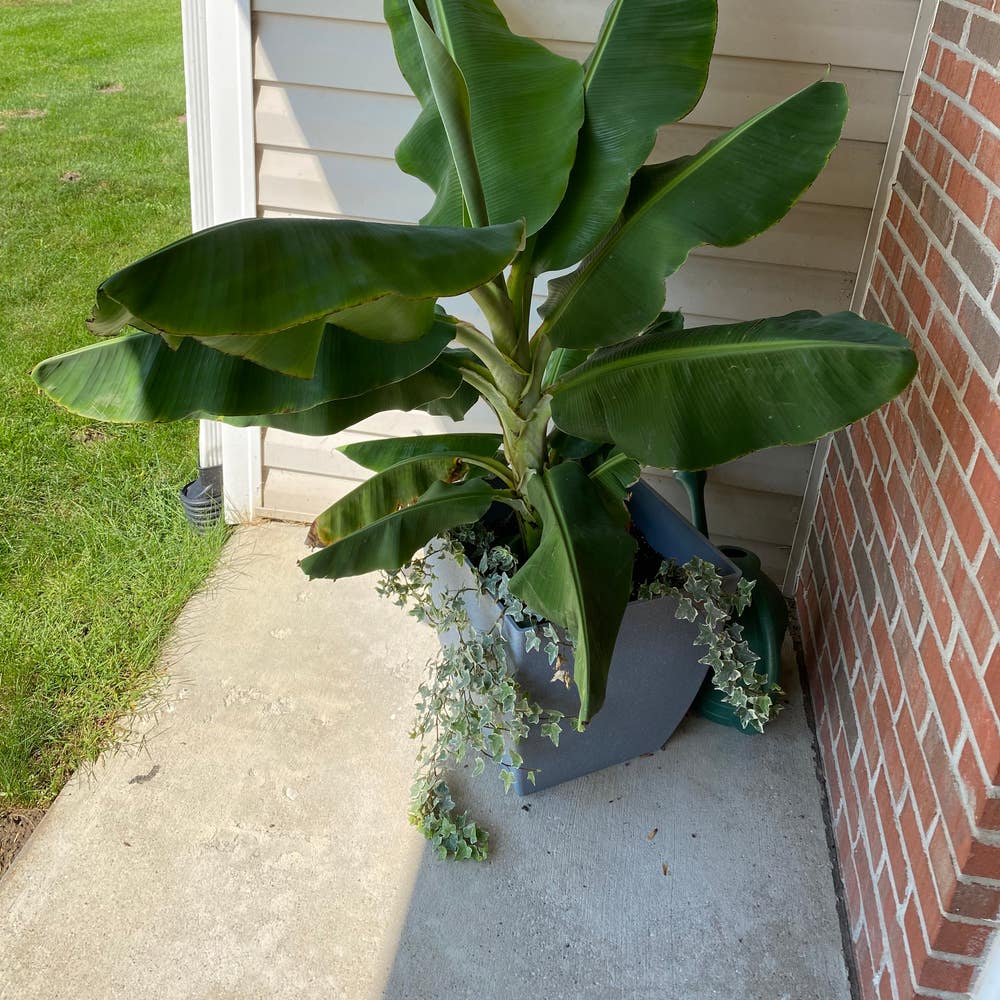
🍌 Step-by-Step Guide to Trimming Ensete
Ensete ventricosum
By the Greg Editorial Team
Nov 26, 2024•4 min read
This article was created with the help of AI so we can cover more plants for you. May contain errors. See one? Report it here.
Revitalize your Ensete 🌱 with these essential pruning tips for a thriving, beautiful plant!
- ✂️ Use sharp tools like shears and loppers for effective Ensete trimming.
- 🌱 Prune yellowing leaves to promote healthy growth and prevent rot.
- 🌞 Best time to prune is late spring to early summer for optimal recovery.
Tools Needed for Pruning
✂️ Essential Pruning Tools
To get started with pruning your Ensete, you'll need a few essential tools. First up are pruning shears; these should have sharp, clean blades for making precise cuts that promote healthy growth.
Next, consider investing in loppers. They are perfect for tackling thicker stems and leaves that your shears might struggle with.
Don’t forget to wear gloves. They protect your hands from sharp edges and any potential irritants you might encounter while working.
Lastly, keep a disinfectant handy. Cleaning your tools before and after use is crucial to prevent the spread of diseases that could harm your plant.
With the right tools in hand, you're well on your way to a successful pruning session. Now that you’re equipped, let’s dive into the best practices for trimming your Ensete!
Best Practices for Pruning
🌿 Trimming Leaves
When pruning your Ensete, start by identifying any yellowing or damaged leaves that need removal. Cut these leaves at the base, close to the stem, to avoid tearing and ensure a clean cut.
It's crucial to avoid excessive trimming; only remove what is necessary to maintain the plant's health. A clean cut promotes faster healing and reduces the risk of disease, allowing your Ensete to thrive.
✂️ Pruning for Shape and Size
Next, consider the desired shape of your plant. Do you prefer a natural form, or are you aiming for a more structured appearance?
Follow this step-by-step trimming process for optimal results:
- Start with the oldest leaves at the base, as these are often the most damaged.
- Gradually work upwards, removing any leaves that disrupt your desired shape.
- Ensure cuts are angled to prevent water accumulation on the cut surface, which can lead to rot.
Regularly step back during the pruning process to evaluate the overall shape. This will help you maintain a balanced and aesthetically pleasing appearance for your Ensete.
With these best practices, your plant will not only look great but also stay healthy and vibrant. Next, let’s explore the timing for pruning to maximize your efforts.
Timing for Pruning
🌱 Seasonal Considerations
The ideal time for pruning your Ensete is during late spring to early summer. This period marks the onset of new growth, making it the perfect moment to shape your plant and encourage healthy development.
Avoid pruning in the winter months. Doing so can stress the plant, hindering its natural growth cycle and potentially leading to damage.
🔍 Signs That Pruning is Needed
Keep an eye out for yellowing or browning leaves. These are clear indicators that your plant may need some attention.
Overcrowded growth can also signal the need for pruning. If air circulation is compromised, it’s time to trim back those unruly leaves.
Additionally, watch for pests or disease on older leaves. Addressing these issues promptly through pruning can help maintain the overall health of your Ensete.
Recognizing these signs ensures your plant remains vibrant and thriving. With the right timing and awareness, you can keep your Ensete looking its best.
As you prepare to prune, remember that understanding the timing and signs is just the beginning. Next, let’s explore effective deadheading techniques to further enhance your plant's health and appearance.
Post-Pruning Care
Care After Pruning 🌱
After you've finished pruning your ensete, it's crucial to give it a good drink. Water thoroughly to support recovery and help the plant bounce back from the trimming.
Hold off on fertilizing right away; it's best to wait 2-4 weeks. This allows the plant to focus on healing rather than pushing out new growth too soon.
Monitoring Health Post-Pruning 👀
Keep an eye on your plant for any signs of stress. Look for wilting, discoloration, or any pest activity that might arise after pruning.
Maintaining proper light and humidity levels is essential for recovery. Ensure your ensete is in a suitable environment to thrive post-pruning.
With these care tips, your ensete will be on its way to a healthy recovery, ready to flourish once again. Next, let’s explore the best timing for pruning to maximize your plant's health and growth.
⚠️ Safety First
This content is for general information and may contain errors, omissions, or outdated details. It is not medical, veterinary advice, or an endorsement of therapeutic claims.
Always consult a qualified healthcare professional before using any plant as food, medicine, or supplement.
Never eat any plant (or feed one to pets) without confirming its identity with at least two trusted sources.
If you suspect poisoning, call Poison Control (800) 222-1222, the Pet Poison Helpline (800) 213-6680, or your local emergency service immediately.
Spotted an error? Please report it here.
Transform your Ensete into a vibrant masterpiece 🌿 by using Greg for tailored pruning reminders and expert tips that ensure your plant thrives after trimming!