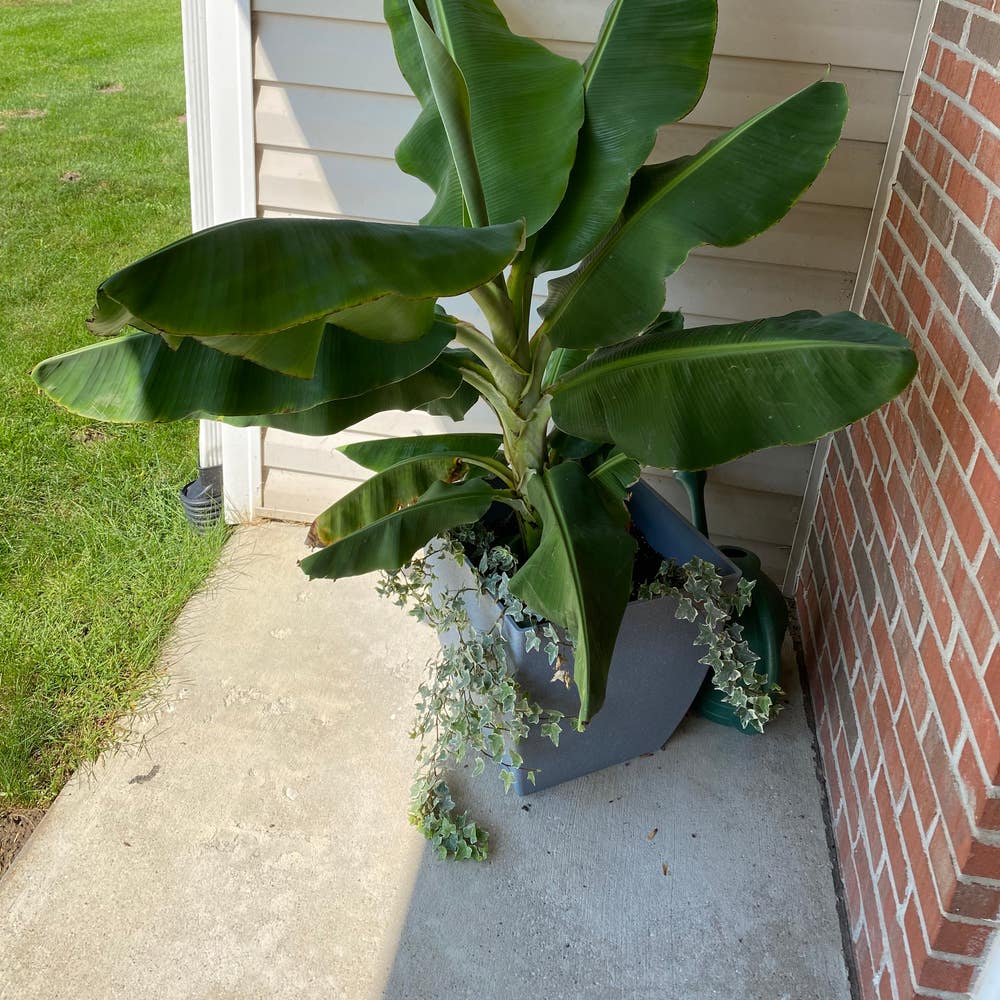
☀️ Ultimate Guide to Direct Sunlight for Ensete
Ensete ventricosum
By the Greg Editorial Team
Nov 26, 2024•3 min read
This article was created with the help of AI so we can cover more plants for you. May contain errors. See one? Report it here.
Master Ensete's sunlight needs 🌞 to ensure vibrant growth and a thriving plant in your home!
- 🌞 Ensete thrives in bright, indirect light but tolerates some direct sunlight.
- 🌅 Morning and late afternoon sun is ideal for healthy Ensete growth.
- ❗️ Excessive direct sunlight causes leaf burn; monitor exposure for optimal health.
Ensete and Direct Sunlight
🌞 Does Ensete Need Direct Sunlight?
Ensete, often referred to as the false banana plant, thrives best in bright, indirect light. While it prefers this type of lighting, it can also benefit from some direct sunlight, which can enhance its growth.
This tropical plant flourishes in warm, humid environments, making it essential to replicate these conditions for optimal health. If you're growing Ensete indoors, consider placing it near a window that allows filtered light.
🌅 Can Ensete Tolerate Direct Sunlight?
Yes, Ensete can tolerate some direct sunlight, particularly during the morning or late afternoon. These times provide gentle exposure that can stimulate healthy growth without overwhelming the plant.
A brief period of direct sunlight can be beneficial, helping to boost its overall vitality. Just be mindful of the duration to avoid any adverse effects.
🔆 Effects of Too Much Direct Sunlight on Ensete
Excessive direct sunlight can lead to several symptoms, including leaf burn, browning edges, and wilting. If you notice these signs, it’s a clear indication that your Ensete is getting too much sun.
Long-term exposure to harsh sunlight can stunt growth and reduce the plant's vigor. To keep your Ensete thriving, monitor its light conditions and adjust as necessary.
As you learn about Ensete's sunlight needs, you'll be better equipped to create the ideal environment for this unique plant. Next, let's explore how environmental factors, like window direction, can influence sunlight exposure for your Ensete.
Environmental Factors
🌞 Role of Window Direction in Sunlight Exposure
The direction of your windows plays a crucial role in how much sunlight your Ensete receives. South-facing windows are the best choice, providing the most direct sunlight throughout the day.
In contrast, east-facing windows offer bright morning light, while west-facing windows deliver strong afternoon sun. Each direction has its benefits, so consider your Ensete's specific needs when choosing a location.
🌍 How Different Hemispheres Affect Sunlight Intensity and Duration
Sunlight intensity and duration vary significantly between hemispheres. In the Northern Hemisphere, longer days in summer promote robust growth, while shorter winter days can slow down your Ensete's development.
Meanwhile, the Southern Hemisphere experiences similar seasonal changes, but the angle of sunlight differs. This variation can impact how your Ensete adapts to its environment, so keep an eye on its growth patterns throughout the year.
🍂 Seasonal Variations in Sunlight and Their Impact on Ensete
As the seasons change, so does the intensity of sunlight. Spring and summer bring brighter, longer days, which can energize your Ensete, while fall and winter often result in dimmer conditions.
To ensure your Ensete thrives, adjust its care based on these seasonal light changes. This might mean moving it closer to a light source or supplementing with grow lights during the darker months.
Common Misconceptions
🌞 Myths About Ensete and Sunlight
One common myth is that Ensete thrives only in direct sunlight. In reality, while it can tolerate some direct sunlight, it prefers bright, indirect light for optimal growth.
💡 Clarifying the Needs of Ensete in Different Light Conditions
Understanding that Ensete can adapt to various light conditions is crucial. However, it has specific preferences that should be respected to ensure its health and vitality.
Observing your Ensete's response to its environment is key. This will help you provide the best care tailored to its needs, leading to a thriving plant.
As you learn more about Ensete, you'll appreciate its unique requirements and how to meet them effectively. This knowledge will set you up for success as you continue to explore the fascinating world of plant care.
⚠️ Safety First
This content is for general information and may contain errors, omissions, or outdated details. It is not medical, veterinary advice, or an endorsement of therapeutic claims.
Always consult a qualified healthcare professional before using any plant as food, medicine, or supplement.
Never eat any plant (or feed one to pets) without confirming its identity with at least two trusted sources.
If you suspect poisoning, call Poison Control (800) 222-1222, the Pet Poison Helpline (800) 213-6680, or your local emergency service immediately.
Spotted an error? Please report it here.
Ensure your Ensete thrives in its ideal light conditions 🌞 by using Greg's personalized care tips to monitor sunlight exposure and prevent leaf burn for a flourishing plant!