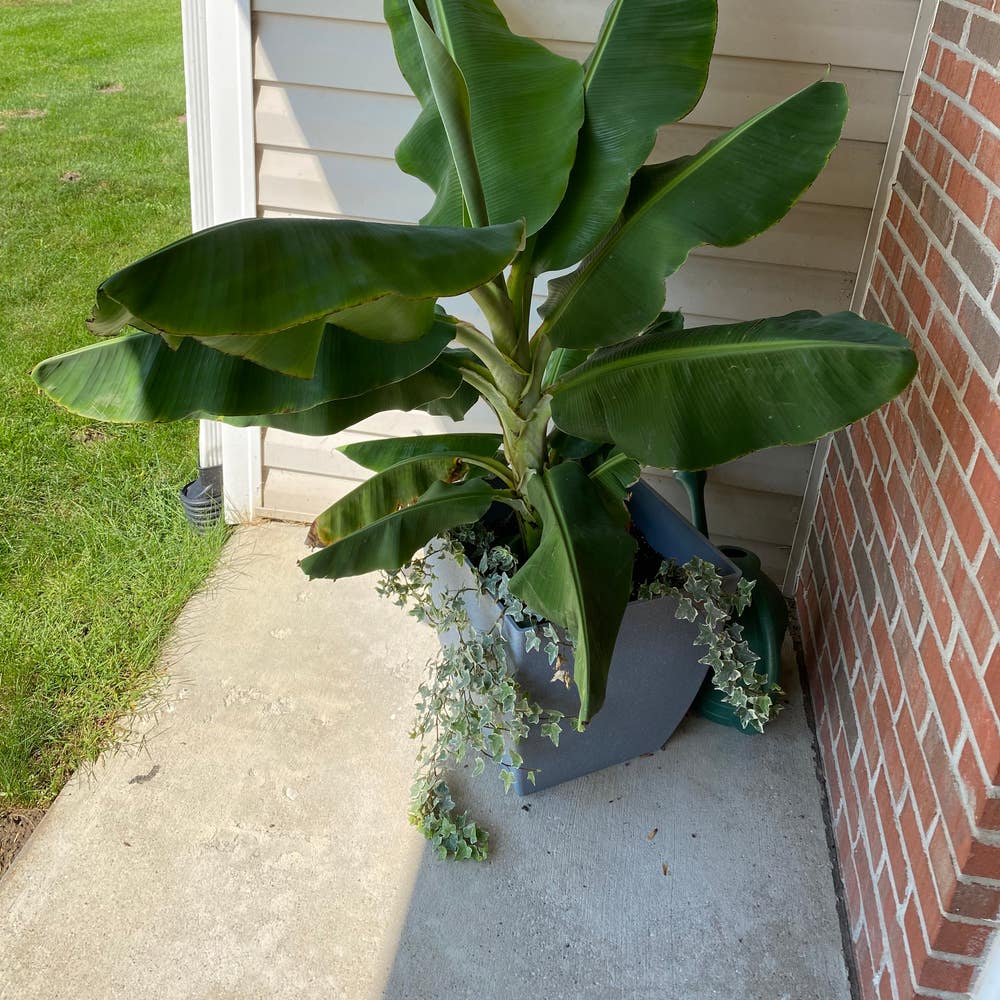
5 Key Dates for Planting Ensete 🍌
Ensete ventricosum
By the Greg Editorial Team
Nov 26, 2024•7 min read
This article was created with the help of AI so we can cover more plants for you. May contain errors. See one? Report it here.
Unlock the secret to thriving Ensete plants 🌱 by mastering frost dates for a bountiful harvest! 🌞
- ❄️ Know frost dates: Last spring and first fall frost dates are crucial for planting Ensete.
- 🌡️ Soil must be 60°F for optimal Ensete germination; use a soil thermometer.
- 📅 Tailor planting schedules based on regional climate for successful Ensete growth.
Frost Dates and Their Importance
📅 Definition and Significance
Understanding frost dates is crucial for successful Ensete planting. The last spring frost date marks when the risk of frost has passed, while the first fall frost date indicates when temperatures may drop again.
Ensete is particularly sensitive to frost. Exposure can lead to significant damage or even death, making it essential to time your planting carefully. Always aim to plant after the last frost date in spring to ensure your plants thrive.
🌍 Examples of Frost Dates
Frost dates vary significantly across regions. For instance, in Florida, the last frost typically occurs in mid-March, allowing for an earlier planting season.
In contrast, Colorado experiences a much later last frost, which can extend as late as mid-June. Knowing these dates helps you plan effectively and avoid frost-related setbacks.
By keeping an eye on local frost dates, you can ensure your Ensete plants get the best start possible. This knowledge sets the stage for successful growth and a bountiful harvest.
Ideal Soil Temperature for Planting
Optimal Conditions 🌡️
For successful germination of Ensete, the soil temperature must reach a minimum of 60°F (15°C). This temperature is crucial, as cooler soil can hinder seed sprouting and growth.
To ensure your soil is warm enough, use a soil thermometer. Insert it 2-4 inches deep to get an accurate reading of the temperature where the seeds will be planted.
Soil Preparation 🧑🌾
Preparing your soil is vital for healthy Ensete growth. Well-draining soil is essential to prevent root rot, which can devastate your plants.
Incorporate organic matter into your soil to enhance drainage and nutrient availability. This preparation will create a thriving environment for your Ensete to flourish.
With the right soil temperature and preparation, you’re setting the stage for a successful planting experience. Next, let’s explore how day length affects the growth patterns of Ensete.
Day Length and Growth Patterns
🌞 Effects of Day Length
Day length plays a crucial role in the growth and flowering of Ensete. Longer days provide the light energy necessary for photosynthesis, leading to healthier plants and more vibrant blooms.
As seasons change, so do the growth patterns of Ensete. During longer daylight hours in spring and summer, plants tend to grow more vigorously, while shorter days in fall signal a slowdown in growth.
🌍 Regional Variations
It's essential to consider regional variations in day length across the United States. For instance, northern states experience more significant fluctuations in day length compared to southern states, impacting when and how well Ensete can thrive.
In areas with longer summer days, like the northern Midwest, Ensete may flourish more than in regions with shorter days. Understanding these differences can help you optimize your planting schedule for the best results.
With a grasp of how day length influences growth, you're better equipped to plan your planting strategy. Next, let’s explore regional planting recommendations to ensure your Ensete thrives in your specific climate.
Regional Planting Recommendations
🌴 Florida
In Florida, the ideal planting window for Ensete is from late March to early April. This timing allows you to take advantage of the warm temperatures while avoiding the last frost.
🌞 California
For California, the best time to plant is between March and April. The state's mild climate supports healthy growth during this period.
🤠 Texas
In Texas, aim to plant Ensete from late March to early May. This window ensures that the plants establish well before the heat of summer sets in.
🗽 New York
New Yorkers should plan to plant Ensete from late May to early June. This timing aligns with the warmer temperatures that promote optimal growth.
🏔️ Colorado
In Colorado, the ideal planting window stretches from late June to early July. This late planting is crucial due to the potential for late spring frosts.
🌽 Ohio
For Ohio, the best time to plant is also from late May to early June. This period allows for a robust growing season as temperatures rise.
These regional recommendations help ensure that your Ensete thrives, taking into account local climate conditions and frost dates. Next, we’ll explore effective seed starting techniques to maximize your planting success.
Seed Starting Techniques
🌱 Indoor vs. Direct Sowing
Starting seeds indoors offers a significant advantage: you can begin 6-8 weeks before the last frost date. This head start allows your Ensete plants to establish themselves, giving them a better chance to thrive once planted outside.
For those opting for direct sowing, timing is crucial. Ensure that soil temperatures consistently exceed 60°F before planting seeds directly in the ground.
⏰ Timing Considerations
Different regions have varying optimal times for indoor seed starting.
- Florida: Start seeds in early February.
- Colorado: Aim for early April.
Regardless of your location, hardening off seedlings before transplanting is essential. This gradual acclimatization helps them adapt to outdoor conditions, reducing transplant shock.
🌾 Best Practices for Direct Sowing
Follow these steps for successful direct sowing:
- Prepare soil: Loosen and amend with organic matter to enhance drainage and nutrients.
- Sow seeds: Plant seeds 1 inch deep, spacing them 2-3 feet apart to allow for growth.
- Water gently: Keep the soil consistently moist until germination occurs.
With these practices, you'll set your Ensete up for success. Remember, the difficulty level for this process is easy, making it accessible for gardeners of all experience levels.
As you embark on your planting journey, consider the next section on creating a comprehensive planting calendar to keep track of your Ensete's growth and care.
Comprehensive Planting Calendar
Month-by-Month Guide 🌱
Understanding the ideal planting months for Ensete is crucial for successful growth. This guide summarizes the best times to plant based on regional climates across the United States.
- January to February: In warmer regions like Florida, you can start seeds indoors as early as February.
- March: Ideal for states like California and Texas, where temperatures begin to rise.
- April: Continue planting in southern states, while northern states should prepare for late spring planting.
- May: A key month for states like Ohio and New York, where the risk of frost has significantly decreased.
- June to July: Late planting is suitable for states like Colorado, where the growing season is shorter.
Key Dates for Each US State 📅
Here’s a comprehensive list of planting dates for Ensete across all 52 states. This will help you align your planting schedule with local conditions, including frost dates, soil temperatures, and day length.
| State | Ideal Planting Window |
|---|---|
| Florida | Late March to early April |
| California | March to April |
| Texas | Late March to early May |
| New York | Late May to early June |
| Colorado | Late June to early July |
| Ohio | Late May to early June |
This table provides a quick reference to ensure you plant at the right time. Remember, local conditions can vary, so always check your specific frost dates and soil temperatures before planting.
With this planting calendar in hand, you're well-equipped to give your Ensete the best chance for a thriving growth season. Next, let’s explore effective seed starting techniques to maximize your planting success!
⚠️ Safety First
This content is for general information and may contain errors, omissions, or outdated details. It is not medical, veterinary advice, or an endorsement of therapeutic claims.
Always consult a qualified healthcare professional before using any plant as food, medicine, or supplement.
Never eat any plant (or feed one to pets) without confirming its identity with at least two trusted sources.
If you suspect poisoning, call Poison Control (800) 222-1222, the Pet Poison Helpline (800) 213-6680, or your local emergency service immediately.
Spotted an error? Please report it here.
Plant your Ensete with confidence 🌿 by using Greg's tailored planting calendar and reminders to navigate frost dates and soil temperatures for a thriving harvest!