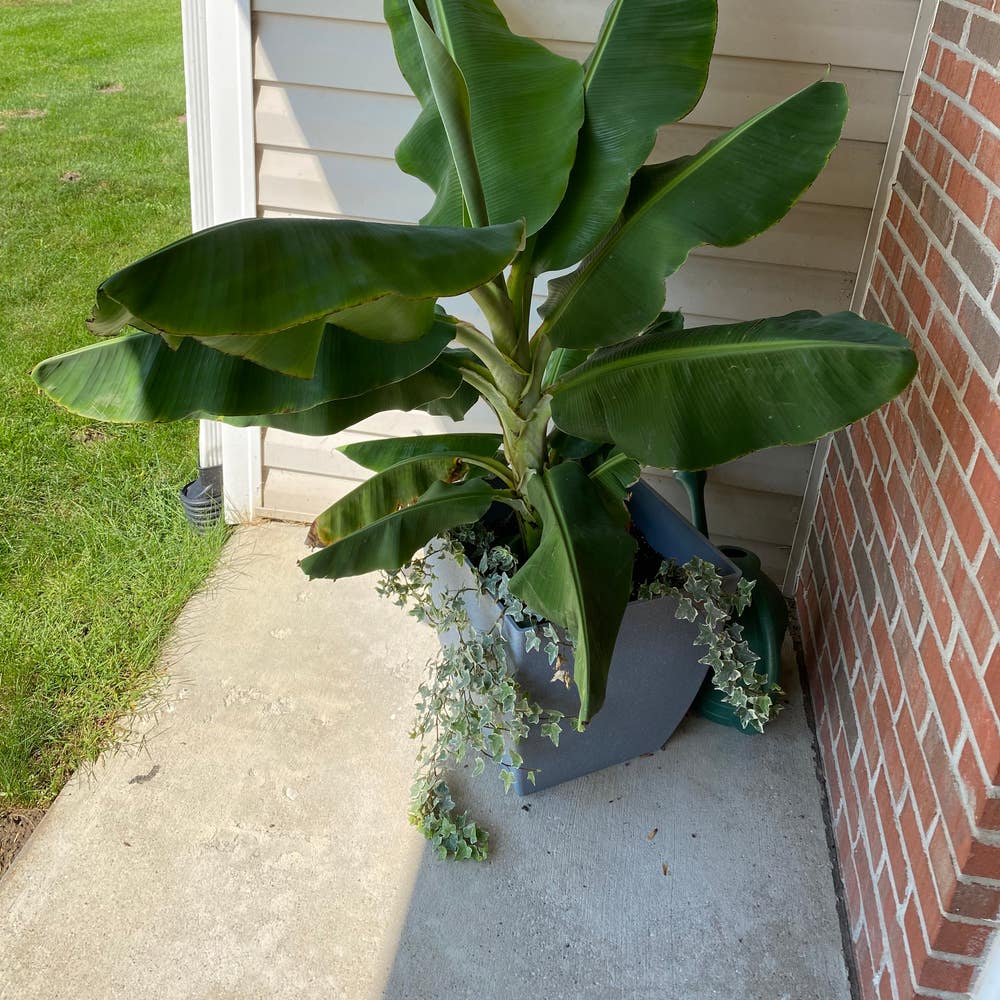
Best Temperature Conditions for Ensete 🌡️
Ensete ventricosum
By the Greg Editorial Team
Nov 26, 2024•2 min read
This article was created with the help of AI so we can cover more plants for you. May contain errors. See one? Report it here.
Ensure your Ensete thrives 🌱 by mastering its temperature needs for vibrant growth and resilience!
- 🌡️ Ensete thrives best between 70°F to 85°F for optimal growth and health.
- ❄️🔥 Temperature fluctuations hinder growth; maintain consistent warmth for best results.
- 🌱 Different varieties have unique tolerances; choose based on your local climate.
Temperature Requirements
Ideal Temperature Range 🌡️
Ensete thrives best in a warm environment, ideally between 70°F to 85°F (21°C to 29°C). Consistent warmth is crucial for optimal growth, as fluctuations can hinder development.
Different varieties of Ensete may have varying tolerances to temperature. Understanding these differences can help you choose the right type for your climate.
Temperature Thresholds for Growth and Dormancy 📈
For active growth, Ensete requires temperatures above 60°F (15°C). Conversely, temperatures below 50°F (10°C) can trigger dormancy, halting growth and development.
Prolonged exposure to temperatures outside the ideal range can severely impact the plant's health. It's essential to monitor conditions closely to ensure your Ensete remains vibrant.
Signs of Temperature Stress ⚠️
Cold stress manifests through wilting, yellowing leaves, and stunted growth. On the other hand, heat stress can lead to leaf scorch, browning edges, and drooping foliage.
Early detection of these symptoms is vital for effective management. Addressing issues promptly can save your plant from further decline.
Causes of Temperature Stress ❄️🔥
Cold stress often results from exposure to frost or prolonged low temperatures. Heat stress can occur due to high ambient temperatures or inadequate water supply.
Temperature fluctuations can exacerbate stress, making it crucial to maintain stable conditions. Keeping an eye on your plant's environment can prevent these issues.
Recovery Strategies for Temperature-Stressed Ensete 🌱
If your Ensete is suffering from cold stress, immediate actions include moving it indoors or providing additional heat sources. These easy steps can help revive your plant quickly.
For heat stress recovery, increase watering, provide shade, and reduce direct sunlight exposure. This moderate approach can help your plant bounce back.
Long-term strategies involve adjusting the planting location and using protective coverings. While these methods may require more effort, they can significantly improve your Ensete's resilience.
Understanding temperature requirements is key to nurturing healthy Ensete plants. With the right conditions and care, you can enjoy their beauty and benefits for years to come.
⚠️ Safety First
This content is for general information and may contain errors, omissions, or outdated details. It is not medical, veterinary advice, or an endorsement of therapeutic claims.
Always consult a qualified healthcare professional before using any plant as food, medicine, or supplement.
Never eat any plant (or feed one to pets) without confirming its identity with at least two trusted sources.
If you suspect poisoning, call Poison Control (800) 222-1222, the Pet Poison Helpline (800) 213-6680, or your local emergency service immediately.
Spotted an error? Please report it here.
Keep your Ensete thriving with optimal temperature control 🌡️ by using Greg's tailored reminders to monitor and adjust its environment for lasting beauty!