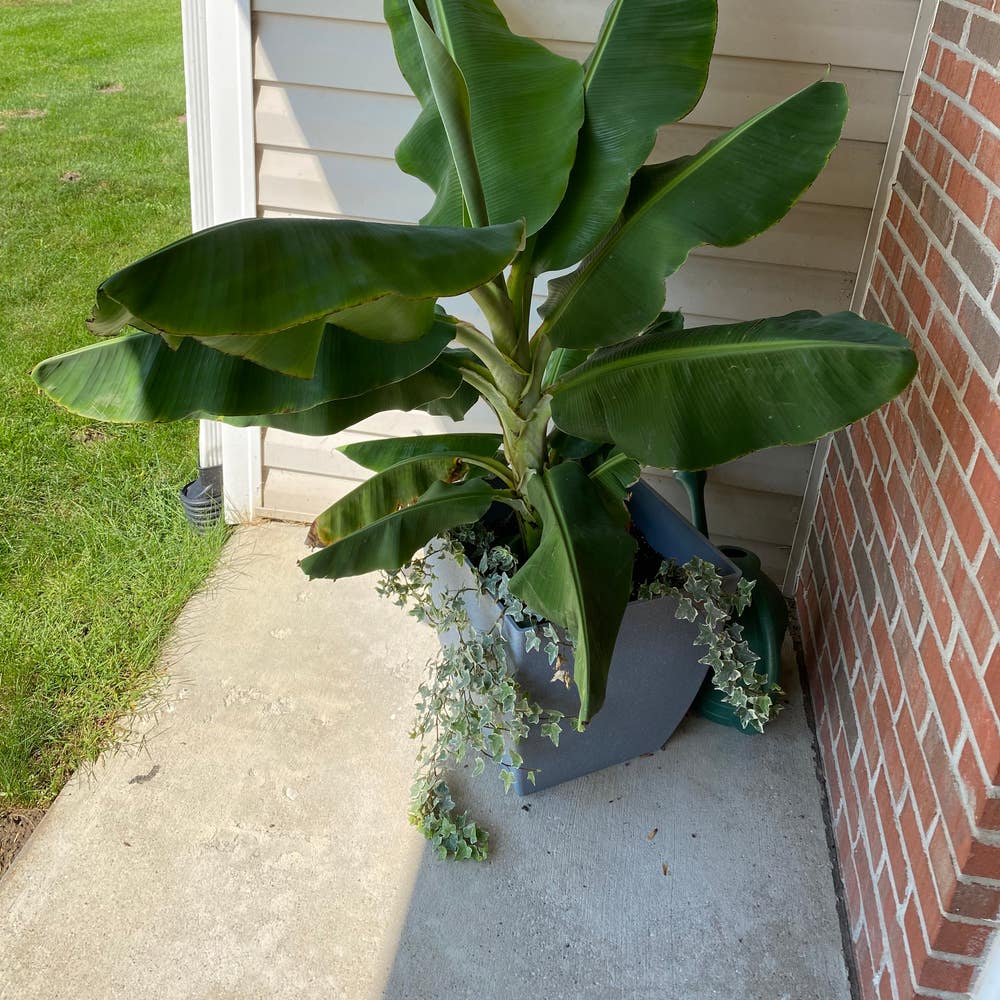
Ultimate Guide to Ensete Roots 🍌
Ensete ventricosum
By the Greg Editorial Team
Nov 26, 2024•6 min read
This article was created with the help of AI so we can cover more plants for you. May contain errors. See one? Report it here.
Cultivate thriving ensete plants by mastering their vital root systems for robust growth and resilience! 🌱🌿
- 🌱 Ensete roots adapt to soil types, ensuring stability and nutrient absorption.
- 💧 Consistent moisture and balanced fertilizers are key for healthy ensete root growth.
- ⚠️ Signs of root rot include wilting and foul odors; act quickly to save plants.
Root Type
Fibrous System 🌱
The fibrous root system is a fascinating network of thin, branching roots that spread out widely beneath the surface. This structure is essential for the plant's overall health and stability.
Characteristics 🌟
- Extensive Nutrient Absorption: The fibrous roots are designed to maximize nutrient uptake, allowing the plant to thrive in various conditions.
- Adaptability: These roots can adjust to different soil types, making them resilient in diverse environments.
- Anchoring Ability: The fibrous system securely anchors the plant, providing stability against wind and other external forces.
Understanding the fibrous root system is crucial for anyone looking to cultivate healthy ensete plants. This foundation sets the stage for exploring how these roots interact with water, nutrients, and the overall growth of the plant.
Depth, Spread, and Growth Patterns
Typical Depth and Spread 🌱
Ensete roots typically reach an average depth of 3 to 5 feet, influenced by the soil conditions they encounter. These roots can spread impressively, extending up to 6 to 8 feet horizontally, which allows the plant to access a wide range of nutrients.
Growth Patterns 📈
The first year of growth is marked by rapid root development, establishing a strong foundation for the plant. As the ensete matures, its roots continue to expand, enhancing stability and nutrient uptake, while seasonal variations in growth are often dictated by environmental factors like temperature and moisture.
Understanding these growth patterns is essential for anyone looking to cultivate healthy ensete plants. With the right care, you can ensure that their roots thrive, setting the stage for robust plant health and productivity.
Watering, Fertilizing, and Transplanting
🌱 How Root System Affects Watering Needs
Consistent moisture is vital for the healthy development of ensete roots. During the growing season, aim to water weekly, reducing frequency during dormancy to prevent overwatering.
🌿 Fertilization Strategies
Using balanced NPK fertilizers is key to promoting robust growth. Fertilize every 4-6 weeks while the plant is actively growing to ensure it receives essential nutrients.
🌼 Best Practices for Transplanting
Transplanting ensete roots requires careful timing and technique. The best time to transplant is in spring or early summer when the plant is poised for growth.
Steps for Successful Transplanting
- Prepare the new planting site with well-draining soil to support root health.
- Water the plant thoroughly before removal to minimize stress.
- Gently loosen the root ball, taking care not to damage the roots.
- Place the plant in the new location and water well to help it settle in.
These practices will help ensure your ensete thrives in its new environment. With proper care, your plant will establish a strong foundation for growth and resilience.
Next, we’ll explore common root-related issues that can affect your ensete and how to address them effectively.
Common Root-Related Issues
🦠 Identifying Root Rot and Other Diseases
Root rot is a common issue that can devastate your ensete plants. Look for signs like wilting, yellowing leaves, and a foul odor emanating from the soil.
Other diseases to watch out for include Fusarium wilt and nematode infestations. These can compromise your plant's health and hinder its growth.
🛡️ Preventative Measures
To keep your ensete roots healthy, prioritize well-draining soil. This simple step helps prevent waterlogging, which is a primary cause of root rot.
Regularly inspect the roots during repotting or transplanting. Catching issues early can save your plant from serious damage.
🔧 Solutions for Common Problems
If you discover root rot, act quickly. Remove the affected roots and repot the plant in fresh, dry soil to give it a fighting chance.
For pest control, consider using organic pesticides or beneficial nematodes. These methods can help manage infestations without harming your plant's overall health.
By staying vigilant and proactive, you can ensure your ensete roots remain robust and thriving. Next, let's explore the indicators of root health to further enhance your plant care knowledge.
Indicators of Root Health
👀 Visual Cues of Healthy Roots
Healthy roots are a gardener's best friend. Look for firm, white or light tan roots that are free of discoloration.
These roots should fill the pot but not be tightly packed. This indicates that they have room to grow and absorb nutrients effectively.
🚨 Signs of Unhealthy Roots
On the flip side, unhealthy roots can spell trouble. Dark, mushy roots are a clear sign of rot, which can jeopardize the entire plant.
Additionally, sparse root growth or roots circling the pot—known as rootbound—indicates that the plant is struggling for space. Addressing these issues promptly can help restore your plant's vitality.
Understanding these indicators is crucial for maintaining a healthy ensete root system. With this knowledge, you can take proactive steps to ensure your plant thrives.
Stress Factors and Resilience
🌱 Role of Roots in Plant Resilience
A healthy root system is the backbone of plant vigor. It not only anchors the plant but also plays a crucial role in nutrient and water uptake, especially during stressful conditions.
💪 How Roots Help Withstand Stress
Deep root systems are a game-changer, allowing plants to access moisture even in dry spells. Strong roots also provide stability, helping plants resist pest damage and the spread of diseases.
Understanding the resilience of roots can empower you to cultivate healthier plants. By nurturing their root systems, you set the stage for robust growth and longevity.
As we explore the next section, we’ll dive into recognizing and addressing rootbound conditions, ensuring your plants thrive without restrictions.
Recognizing and Addressing Rootbound Conditions
🌱 Definition and Indicators
Rootbound is a condition that occurs when a plant's roots grow in circles around the pot, restricting their growth. You can identify rootbound plants by observing roots emerging from drainage holes, stunted growth, and poor water absorption.
🛠️ Steps to Remedy Rootbound Situations
To help your plant thrive again, follow these steps:
- Gently remove the plant from its pot. Take care not to damage the roots during this process.
- Trim circling roots to encourage new growth. This helps redirect energy towards healthier root development.
- Repot in a larger container with fresh soil. Ensure the new pot has adequate drainage to prevent future rootbound issues.
By addressing rootbound conditions promptly, you can restore your plant's health and vitality. This proactive approach not only enhances growth but also improves overall resilience against stressors.
Next, let’s explore the importance of root health in propagation and division.
Propagation and Division
🌱 Importance of Root Health in Propagation
Healthy roots are the backbone of successful propagation and division. Without robust roots, your efforts may fall flat, leading to stunted growth or even plant failure.
✂️ Techniques for Dividing While Maintaining Root Integrity
Timing is everything when it comes to division. The best time to divide your ensete roots is early spring, just before the plant enters its active growth phase.
Steps for Division
- Carefully separate the plant into sections, ensuring each section has roots attached.
- Check the health of each root system; each division should have a strong, healthy root network.
- Replant immediately in suitable soil conditions to minimize stress and promote quick recovery.
By following these steps, you can ensure that your ensete thrives, setting the stage for vibrant growth and healthy propagation. This attention to root health not only enhances your gardening success but also fosters a deeper connection with your plants.
Next, we'll explore how to recognize and address rootbound conditions, ensuring your plants continue to flourish.
⚠️ Safety First
This content is for general information and may contain errors, omissions, or outdated details. It is not medical, veterinary advice, or an endorsement of therapeutic claims.
Always consult a qualified healthcare professional before using any plant as food, medicine, or supplement.
Never eat any plant (or feed one to pets) without confirming its identity with at least two trusted sources.
If you suspect poisoning, call Poison Control (800) 222-1222, the Pet Poison Helpline (800) 213-6680, or your local emergency service immediately.
Spotted an error? Please report it here.
Unlock the secret to thriving ensete roots 🌿 with Greg's custom watering and fertilization reminders, ensuring your plants grow strong and resilient!