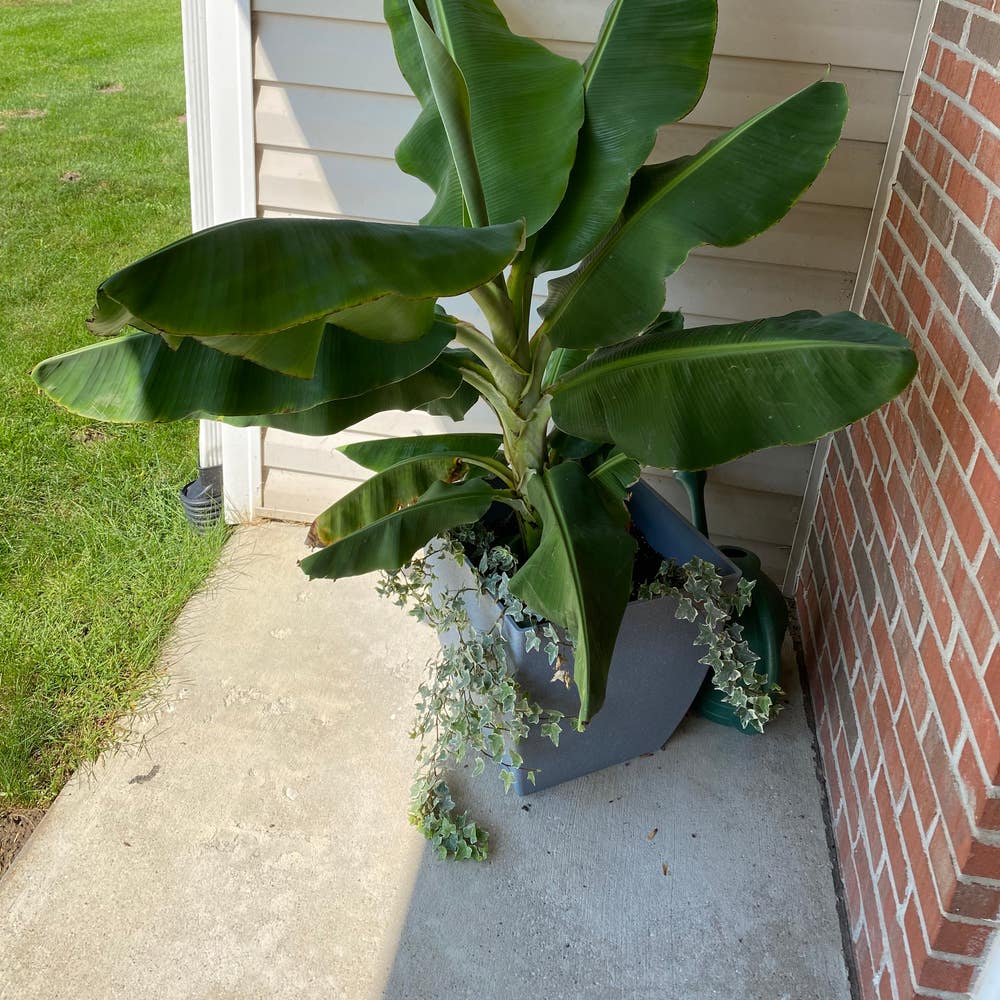
Understanding Curling Leaves on Your Ensete 🍌
Ensete ventricosum
By the Greg Editorial Team
Nov 26, 2024•5 min read
This article was created with the help of AI so we can cover more plants for you. May contain errors. See one? Report it here.
Revive your Ensete's vitality 🌱 by quickly diagnosing and treating those pesky curling leaves for a thriving plant!
- 🌱 Curling leaves on Ensete result from stress, pests, or nutrient deficiencies.
- 🌡️ Ideal temperature for Ensete is 20°C to 30°C (68°F to 86°F) to prevent curling.
- 💧 Maintain humidity between 60% and 80% for optimal leaf health and growth.
Causes of Curling Leaves
🌪️ Environmental Stress Factors
Temperature Stress
Maintaining the right temperature is crucial for your Ensete. The ideal range is between 20°C to 30°C (68°F to 86°F); anything outside this can lead to leaf curling and browning edges.
Humidity Levels
Humidity plays a significant role in leaf health. Ensete thrives in humidity levels of 60% to 80%, and low humidity can cause curling and browning tips.
🥦 Nutrient Deficiencies
Key Nutrients Affecting Leaf Health
Nutrient deficiencies can severely impact your plant's vitality. A potassium deficiency often results in curling and yellowing of leaf edges, while magnesium deficiency leads to interveinal chlorosis and curling.
Soil Testing for Nutrient Levels
To ensure your Ensete is getting the right nutrients, soil testing is essential. Aim for a soil pH between 6.0 and 7.0 for optimal nutrient availability.
🐛 Pest Infestations
Common Pests Affecting Ensete
Pests can wreak havoc on your Ensete's leaves. Aphids leave a sticky residue and curled leaves, while spider mites create fine webbing and stippled leaves.
Impact of Pests on Leaf Health
These pests damage your plant by sucking sap, leading to stress and curling. Regular inspections can help catch these infestations early.
🍄 Fungal Infections
Types of Fungal Infections
Fungal infections can also cause curling leaves. Root rot, often a result of poor drainage, leads to wilting and leaf curl, while leaf spot diseases manifest as spots and curling on affected leaves.
Conditions That Promote Fungal Growth
Overwatering and poor air circulation create a perfect environment for fungal growth. Ensuring proper drainage and airflow can help prevent these issues.
Understanding these causes is the first step in addressing curling leaves on your Ensete. Next, we'll explore how to diagnose the problem effectively.
Diagnosing the Problem
🌡️ Assessing Environmental Conditions
To effectively diagnose curling leaves on your Ensete, start by checking the temperature and humidity levels. Use hygrometers and thermometers for accurate readings to ensure your plant thrives in its ideal range.
Next, evaluate the light exposure your Ensete receives. Bright, indirect sunlight is optimal for healthy growth, so make adjustments if your plant isn't getting enough light.
🐛 Identifying Pests and Diseases
Visual inspection is crucial in identifying potential pests and diseases. Begin by checking the undersides of leaves for any signs of pests, as they often hide there.
Look for signs of fungal infections, such as discoloration or spots on the leaves. Early detection can make a significant difference in treatment outcomes.
💧 Evaluating Watering Practices
Watering practices play a vital role in your plant's health. Signs of overwatering include yellowing leaves and soggy soil, indicating that your Ensete may be drowning.
On the other hand, underwatering manifests as dry, crispy leaves and curling. Finding the right balance is key to keeping your plant happy and healthy.
By thoroughly assessing these factors, you can pinpoint the underlying issues affecting your Ensete. This understanding will pave the way for effective treatment options, ensuring your plant returns to its vibrant self.
Treatment Options
Adjusting Watering Techniques 🌊
Proper watering is crucial for the health of your Ensete. Aim to water once a week, allowing the soil to dry slightly between waterings to prevent root rot.
To enhance drainage, use well-draining soil mixes and pots equipped with drainage holes. This will help maintain the right moisture levels and prevent waterlogging.
Nutrient Supplementation 🌱
Fertilizing your Ensete can significantly improve leaf health. Opt for balanced NPK fertilizers, applying them according to the recommended rates and timing for optimal results.
Additionally, consider specific supplements for potassium and magnesium to address any deficiencies. These nutrients are vital for preventing leaf curling and promoting overall plant vigor.
Pest Management Strategies 🐜
Pests can wreak havoc on your Ensete, so proactive management is essential. For organic pest control, neem oil and insecticidal soap are effective against common culprits like aphids and spider mites.
If infestations persist, you may need to consider chemical options. Use these stronger treatments as a last resort, ensuring you follow the manufacturer's guidelines for safety and effectiveness.
Fungal Treatment Methods 🍄
Identifying the right fungicides is key to treating fungal infections in your Ensete. Look for fungicides specifically formulated for use on Ensete to effectively combat issues like root rot and leaf spot diseases.
When applying fungicides, timing and frequency are crucial. Adjust your application schedule based on the severity of the infection to ensure your plant recovers swiftly.
By implementing these treatment options, you can restore your Ensete to its vibrant self. Next, let's explore preventive measures to keep your plant healthy and thriving.
Preventive Measures
Best Practices for Ensete Care 🌱
To keep your Ensete thriving, focus on creating ideal growing conditions. Aim for a temperature range of 20°C to 30°C (68°F to 86°F), with humidity levels between 60% and 80%.
Light is also crucial; provide bright, indirect sunlight to promote healthy growth. Additionally, ensure your soil is well-draining to prevent waterlogging, which can lead to root rot.
Monitoring Environmental Conditions 📊
Regularly check temperature and humidity levels to maintain optimal conditions. Using environmental monitoring tools like hygrometers and thermometers can help you stay on top of these factors.
These tools provide accurate readings, allowing you to make necessary adjustments before problems arise.
Regular Inspection for Pests and Diseases 🔍
Conduct weekly inspections of your Ensete to catch any pests or diseases early. Look closely at the undersides of leaves and check for discoloration or spots that might indicate fungal infections.
Maintaining plant health through good practices is essential. A proactive approach can save your Ensete from potential stressors and ensure it remains vibrant and healthy.
By following these preventive measures, you can create a nurturing environment for your Ensete, reducing the risk of curling leaves and other issues. Next, let’s explore how to diagnose any problems that may arise.
⚠️ Safety First
This content is for general information and may contain errors, omissions, or outdated details. It is not medical, veterinary advice, or an endorsement of therapeutic claims.
Always consult a qualified healthcare professional before using any plant as food, medicine, or supplement.
Never eat any plant (or feed one to pets) without confirming its identity with at least two trusted sources.
If you suspect poisoning, call Poison Control (800) 222-1222, the Pet Poison Helpline (800) 213-6680, or your local emergency service immediately.
Spotted an error? Please report it here.
Keep your Ensete's leaves curl-free 🌿 by using Greg's tailored care tips and reminders to optimize nutrients, pest control, and watering practices for a thriving plant!