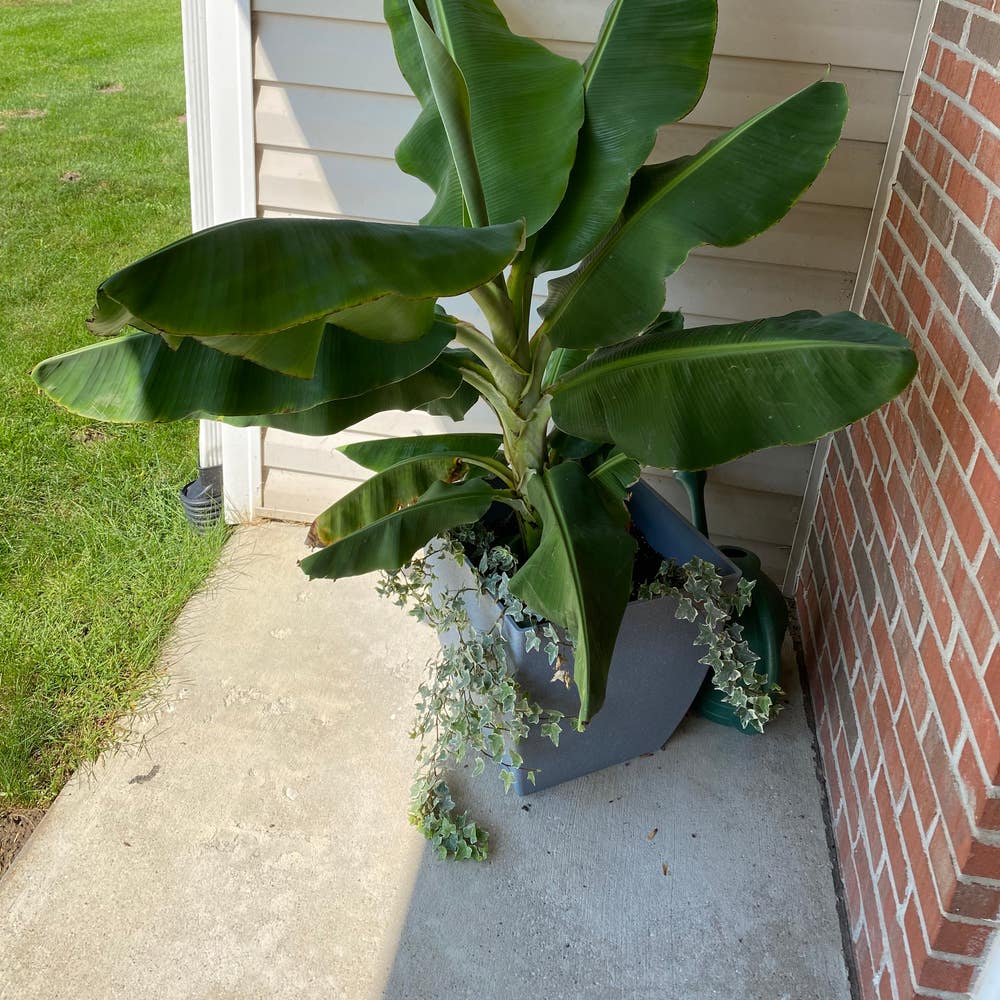
How to Fix Yellow Leaves on Your Ensete 🍌
Ensete ventricosum
By the Greg Editorial Team
Nov 26, 2024•5 min read
This article was created with the help of AI so we can cover more plants for you. May contain errors. See one? Report it here.
Transform your Ensete's yellow leaves back to vibrant green 🌱 with these essential care tips and early detection strategies!
- 🌱 Yellow leaves indicate issues like nutrient deficiencies, pests, or watering problems.
- 💧 Overwatering or underwatering causes yellowing; maintain consistent soil moisture for health.
- 🌞 Bright, indirect sunlight and humidity are crucial to prevent yellow leaves on Ensete.
Diagnosing the Problem
🌱 Nutrient Deficiencies
Nutrient deficiencies can significantly impact the health of your Ensete.
Nitrogen Deficiency
A nitrogen deficiency often manifests as general yellowing of older leaves and stunted growth. This essential nutrient is crucial for healthy foliage.
Potassium Deficiency
Potassium deficiency typically shows yellowing at the leaf edges, accompanied by browning tips. This nutrient is vital for overall plant vigor.
Other Nutrient Deficiencies
Signs of magnesium or iron deficiency may also present as yellowing leaves. Identifying these deficiencies early can help restore your plant's health.
💧 Watering Issues
Watering practices are critical in maintaining the health of your Ensete. Both overwatering and underwatering can lead to yellow leaves.
Overwatering
Overwatering is characterized by yellowing leaves, wilting, and root rot. This often occurs due to poor soil drainage or excessive watering frequency.
Underwatering
Underwatering results in yellowing leaves with dry and crispy edges. This usually happens when the plant is not watered frequently enough or when soil conditions are too dry.
🌍 Environmental Stress Factors
Environmental conditions play a significant role in the well-being of your Ensete.
Light
Insufficient light can lead to yellowing leaves; Ensete prefers bright, indirect sunlight. Ensuring adequate light exposure is essential for healthy growth.
Temperature
The ideal temperature range for Ensete is between 65°F to 85°F (18°C to 29°C). Extreme temperatures can stress the plant, leading to yellowing leaves.
Humidity
Low humidity levels can also cause leaf yellowing. Ensete thrives in moderate to high humidity, so maintaining appropriate humidity levels is crucial.
🐛 Pest Infestations
Pest infestations can severely affect your Ensete's health.
Common Pests Affecting Ensete
Aphids are a common pest, leaving a sticky residue and causing distorted leaves.
Spider mites can also be problematic, presenting fine webbing and stippled leaves.
Identifying these pests early is vital for maintaining plant health.
Understanding these potential issues will help you take the necessary steps to restore your Ensete's vibrant green leaves. Next, we will explore effective solutions for addressing yellow leaves.
Solutions for Yellow Leaves
🌊 Adjusting Watering Practices
To tackle yellow leaves, start by assessing soil moisture. Use a moisture meter or simply stick your finger into the soil to check its dampness.
Next, establish a consistent watering schedule. Water your Ensete when the top inch of soil feels dry to the touch.
Lastly, ensure proper drainage. Always use pots with drainage holes and a well-draining soil mix to prevent waterlogging.
🌱 Fertilization Techniques
Choosing the right fertilizer is crucial for your plant's health. A balanced NPK fertilizer, such as 10-10-10, or specific formulations designed for banana plants can work wonders.
Apply fertilizer every 4-6 weeks during the growing season to keep your Ensete thriving. Watch for signs of over-fertilization, like leaf burn or salt buildup in the soil.
🕳️ Improving Soil Drainage
Soil composition plays a significant role in plant health. A mix of potting soil, perlite, and compost will provide optimal drainage for your Ensete.
If you notice compacted soil or excessive moisture retention, consider repotting your plant. Fresh soil can make a big difference in its overall vitality.
🐞 Pest Control Methods
Pest infestations can lead to yellowing leaves, so proactive measures are essential. Organic pest control options like neem oil and insecticidal soap are effective against common pests like aphids and spider mites.
Regular monitoring is key. Inspect your Ensete's leaves weekly for early signs of infestation to catch any issues before they escalate.
By implementing these solutions, you can help restore your Ensete's vibrant green color and overall health. Next, let’s explore preventative measures to keep your plant thriving long-term.
Preventative Measures
🌱 Best Practices for Ensete Care
To keep your Ensete thriving, regularly check the soil moisture and adjust your watering schedule accordingly. Providing adequate light and humidity levels is crucial for healthy growth, so ensure your plant receives bright, indirect sunlight and a humid environment.
Fertilizing appropriately can prevent nutrient deficiencies that lead to yellow leaves. A balanced approach to feeding your plant will go a long way in maintaining its vibrant green color.
🍂 Seasonal Care Tips
As the seasons change, so should your care routine. In spring, increase watering as your Ensete resumes growth, ensuring the soil remains consistently moist but not soggy.
During summer, keep a close eye on pests and ensure humidity levels are sufficient. In fall and winter, reduce both watering and fertilization as the plant's growth slows down, allowing it to rest.
🔍 Monitoring Plant Health Regularly
Regular inspections are key to catching issues early. Conduct weekly checks for yellowing leaves, pests, and overall plant vigor to stay ahead of potential problems.
Consider keeping a care journal to track changes and adjustments in your Ensete's health. This practice not only helps you identify patterns but also enhances your understanding of your plant's needs.
By following these preventative measures, you can foster a healthy environment for your Ensete, minimizing the risk of yellow leaves and other issues. Next, let’s explore when it might be necessary to seek professional help for your plant.
When to Seek Professional Help
Signs that Indicate Serious Issues 🚨
If your Ensete continues to show persistent yellowing despite your best care efforts, it may be time to seek professional help. Other red flags include severe pest infestations, signs of disease, or root rot symptoms like a foul smell and mushy roots.
Consulting with a Plant Specialist 🧑🌾
Knowing when to reach out for expert advice can save your plant. A professional diagnosis can provide tailored treatment plans, ensuring your Ensete receives the best care possible.
Recognizing these signs early can make a significant difference in your plant's health. Don't hesitate to consult with a specialist if you're unsure about the next steps.
⚠️ Safety First
This content is for general information and may contain errors, omissions, or outdated details. It is not medical, veterinary advice, or an endorsement of therapeutic claims.
Always consult a qualified healthcare professional before using any plant as food, medicine, or supplement.
Never eat any plant (or feed one to pets) without confirming its identity with at least two trusted sources.
If you suspect poisoning, call Poison Control (800) 222-1222, the Pet Poison Helpline (800) 213-6680, or your local emergency service immediately.
Spotted an error? Please report it here.
Revive your Ensete's vibrancy 🌿 by using Greg's tailored watering alerts and nutrient tracking to tackle yellow leaves before they become a problem!