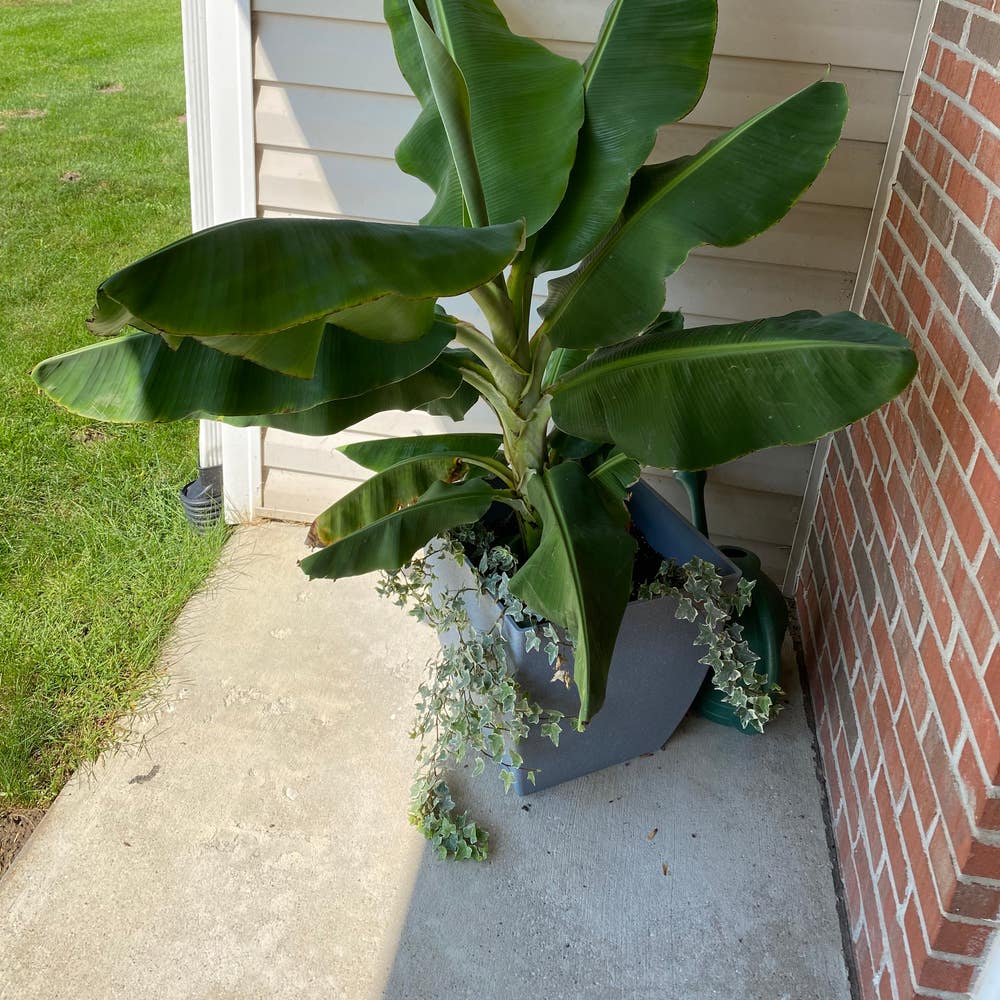
☀️ Best Climate for Ensete: Zones 9a-11b
Ensete ventricosum
By the Greg Editorial Team
Nov 26, 2024•4 min read
This article was created with the help of AI so we can cover more plants for you. May contain errors. See one? Report it here.
Master Ensete's temperature needs 🌱 to unlock lush growth and vibrant health in your garden!
- 🌡️ Ensete thrives in USDA zones 9a-11b, ideal for warm climates.
- ❄️ Frost sensitivity means temperatures below 20°F can damage Ensete significantly.
- ☀️💧 Optimal growth requires warmth, humidity, and sunlight for best results.
Temperature Tolerance of Ensete
❄️ Cold Tolerance
Ensete ventricosum is particularly sensitive to frost, with a minimum temperature threshold of 20°F (-6°C). When temperatures dip below this point, the plant can suffer significant damage, impacting its overall growth and health.
Frost can lead to wilting, discoloration, and even death of the plant tissue. This damage not only stunts growth but can also make the plant more susceptible to diseases.
☀️ Heat Tolerance
On the flip side, Ensete thrives in warm climates, showing optimal growth in temperatures above 70°F (21°C). This tropical plant flourishes when exposed to high humidity levels, which can further enhance its growth in warmer conditions.
High humidity helps maintain moisture in the soil, creating an ideal environment for Ensete to develop robustly. Without sufficient humidity, the plant may struggle to reach its full potential.
🌡️ Specific Temperature Ranges for Optimal Growth
For the best results, aim for an ideal temperature range of 70°F to 95°F (21°C to 35°C). Within this range, Ensete can grow vigorously and produce lush foliage.
Consistent warmth is crucial; fluctuations outside this range can stress the plant, leading to poor health and stunted growth. Maintaining stable temperatures ensures that Ensete remains healthy and vibrant, ready to thrive in your garden.
With a solid understanding of temperature tolerance, you can better prepare for the next steps in cultivating Ensete successfully.
Ideal Regions for Growing Ensete
🌍 Examples of US States in Suitable Zones
If you're looking to grow Ensete, you're in luck! States like California, Florida, Texas, Hawaii, and parts of Arizona offer the perfect climate for this tropical beauty.
These regions boast warm temperatures, minimal frost, and high humidity, creating an ideal environment for Ensete to thrive. The consistent warmth in these areas ensures that your plants can grow robustly throughout the year.
🌱 Factors Contributing to Ideal Growing Conditions
To cultivate Ensete successfully, pay attention to soil requirements. It thrives in well-drained, fertile soil that retains moisture, allowing the roots to access the nutrients they need without becoming waterlogged.
Sunlight exposure is equally important. Ensete prefers full sun to partial shade, so find a spot in your garden that receives plenty of light while also offering some protection from the harshest midday sun.
With the right conditions, your Ensete can flourish, adding a lush, tropical vibe to your landscape.
As you consider where to plant, remember that understanding your local climate can make all the difference in your success with this stunning plant.
Microclimates and Ensete Growth
🌍 Definition and Importance
Microclimates are small areas where the climate differs from the surrounding environment. These localized conditions can significantly impact plant growth, making them crucial for sensitive species like Ensete.
🌱 Extending Growing Range
Microclimates can enable Ensete cultivation even in regions that fall outside typical hardiness zones.
- Features of Microclimates:
- Areas near buildings can absorb heat, creating a warmer environment.
- South-facing slopes receive more sunlight, enhancing warmth.
- Sheltered gardens can protect plants from harsh winds and frost.
By leveraging these unique conditions, gardeners can successfully grow Ensete in less-than-ideal climates. Understanding and utilizing microclimates can be a game-changer for those passionate about cultivating this remarkable plant.
As we explore the ideal regions for growing Ensete, consider how these microclimate advantages can expand your gardening possibilities.
State-Level Suitability for Ensete
🌞 Suitable States
Ensete thrives in several U.S. states that provide the right climate for its growth. The ideal locations include California, Florida, Texas, Hawaii, Louisiana, and parts of Arizona.
These states offer warm temperatures, appropriate humidity levels, and minimal frost risk, creating a perfect environment for Ensete to flourish.
🚫 Unsuitable States
Conversely, some states are not conducive to growing Ensete. Alaska, North Dakota, South Dakota, Montana, and parts of the Northeast experience conditions that are too harsh for this tropical plant.
Cold temperatures and frequent frost in these regions hinder Ensete's growth, making it nearly impossible to cultivate successfully.
🌡️ Impact of Climate on Growth
Temperature extremes significantly affect Ensete's ability to thrive. States with harsh winters or prolonged frost periods can severely stunt its growth and overall health.
Consistent warmth and moisture are crucial for successful cultivation, ensuring that Ensete can reach its full potential. Understanding these climate factors is essential for any aspiring Ensete grower.
⚠️ Safety First
This content is for general information and may contain errors, omissions, or outdated details. It is not medical, veterinary advice, or an endorsement of therapeutic claims.
Always consult a qualified healthcare professional before using any plant as food, medicine, or supplement.
Never eat any plant (or feed one to pets) without confirming its identity with at least two trusted sources.
If you suspect poisoning, call Poison Control (800) 222-1222, the Pet Poison Helpline (800) 213-6680, or your local emergency service immediately.
Spotted an error? Please report it here.
Unlock your Ensete's full potential 🌿 with Greg's tailored care reminders, ensuring it thrives in the perfect climate of warmth and humidity!