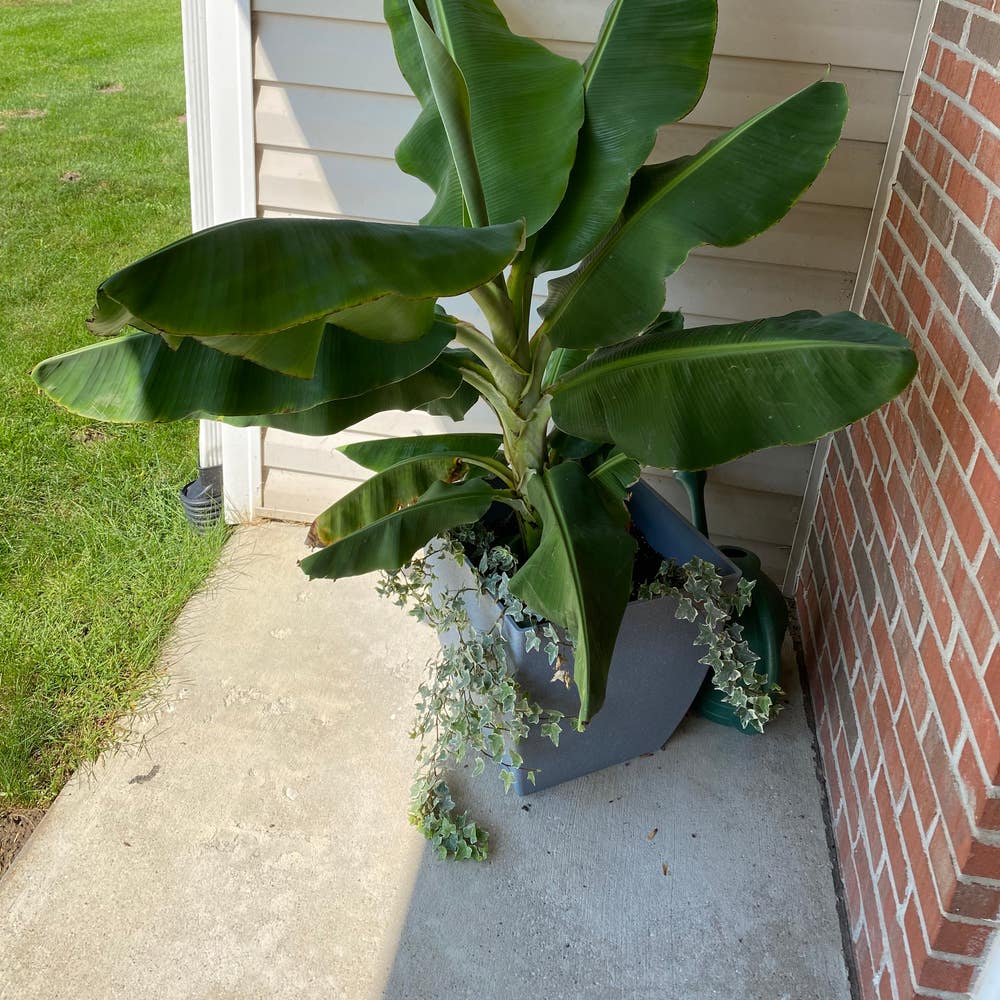
Step-by-Step Guide to Choosing Soil for Ensete 🍌
Ensete ventricosum
By the Greg Editorial Team
Nov 26, 2024•5 min read
This article was created with the help of AI so we can cover more plants for you. May contain errors. See one? Report it here.
Unlock your Ensete's full potential 🌱 with the perfect soil mix for vibrant, thriving growth! 🌿
- 🌱 Right soil composition is crucial for healthy Ensete growth and vitality.
- 🧪 Ideal mix includes 30-40% perlite for drainage and 20-30% coarse sand for aeration.
- 🌿 Regular pH testing ensures optimal nutrient availability for thriving Ensete plants.
Ideal Soil Composition
Creating the perfect soil mix for your Ensete is crucial for its health and growth. A well-balanced soil composition ensures that your plant receives the right nutrients and drainage it needs to thrive.
🌱 Components of Ideal Soil Mix
Well-Draining Materials
To start, focus on well-draining materials. Aim for a mix that includes 30-40% perlite or pumice and 20-30% coarse sand. These components promote excellent drainage, preventing water from pooling around the roots.
Organic Matter
Next, incorporate organic matter into your soil mix. 30-40% compost or well-rotted manure will enrich the soil, providing essential nutrients that support healthy growth. Organic matter also improves soil structure, enhancing moisture retention without becoming soggy.
🌿 Nutrient-Rich Additives
Finally, don't forget about nutrient-rich additives. Adding worm castings or organic fertilizers can significantly boost the nutrient content of your soil. These additives help ensure your Ensete has access to the vital elements it needs for robust growth.
By combining these components, you create an ideal soil mix that supports your Ensete's health and vitality. With the right foundation, your plant will flourish, setting the stage for a thriving garden.
Next, let’s explore how to identify unhealthy soil and the signs to watch for.
Identifying Unhealthy Soil
Signs of Unhealthy Soil 🌱
Identifying unhealthy soil is crucial for the health of your Ensete. Look for visual indicators like discoloration or unusual textures, such as clumping or crusting.
Another red flag is the presence of mold or fungal growth on the surface. These signs can indicate that the soil is not providing the right environment for your plant.
Root Health Indicators 🌿
Pay attention to your plant's leaves. If they are wilting or yellowing despite adequate watering, it could be a sign of unhealthy soil.
Additionally, check the roots for signs of rot. Mushy, dark roots are a clear indication that something is amiss and needs immediate attention.
How to Identify Moldy Soil 🦠
Moldy soil has distinct characteristics that are easy to spot. Look for white or green fuzzy growth on the soil surface, which is a telltale sign of mold.
You might also notice a musty odor, indicating anaerobic conditions. This smell suggests that the soil is retaining too much moisture, creating an environment conducive to mold growth.
Recognizing these signs early can help you take action before your Ensete suffers. Next, we'll explore how to resolve these soil issues effectively.
Resolving Soil Issues
Steps to Amend Unhealthy Soil 🌱
If your Ensete's soil is unhealthy, it's crucial to act quickly. Start by removing the plant from its pot and inspecting the roots for any signs of distress.
Next, trim away any rotten or mushy roots using sterilized scissors. This step is vital to prevent further decay and promote healthy growth.
Once you've addressed the roots, replace the unhealthy soil with a fresh, well-draining soil mix. This ensures your plant has the best chance to thrive.
Finally, ensure the pot size is appropriate to prevent overcrowding. A spacious environment allows roots to expand and absorb nutrients effectively.
How to Treat Moldy Soil 🦠
Dealing with moldy soil requires immediate action. Start by removing the top layer of moldy soil to eliminate the source of the problem.
After that, allow the soil to dry out before rewatering. This helps to break the cycle of excess moisture that encourages mold growth.
For long-term solutions, focus on improving air circulation around the plant. Good airflow helps keep the soil dry and discourages mold.
Additionally, adjust your watering frequency to prevent excess moisture. Finding the right balance will keep your Ensete healthy and mold-free.
With these steps, you can effectively resolve soil issues and create a thriving environment for your Ensete. Next, we'll explore how to create a homemade soil mix tailored to your plant's needs.
Creating a Homemade Soil Mix
Ingredients for an Ideal Soil Mix 🌱
Creating the perfect soil mix for your Ensete is both simple and rewarding. Start with these base components:
- 30% perlite or pumice: These materials ensure excellent drainage.
- 30% compost: This organic matter enriches the soil with nutrients.
- 20% coarse sand: Sand improves aeration and prevents compaction.
- 20% worm castings or organic fertilizer: These additives boost nutrient content.
You can also consider optional ingredients to enhance your mix:
- Bone meal: Adds phosphorus, essential for root development.
- Kelp meal: Provides trace minerals that support overall plant health.
Step-by-Step Guide to Mixing Soil 🛠️
Mixing your soil is a straightforward process. Follow these steps for a successful blend:
- Gather all ingredients in a large container. Make sure you have enough space to mix thoroughly.
- Mix perlite, sand, and compost together until well combined. This forms the base of your soil.
- Add worm castings and any optional additives you choose. These will enhance the nutrient profile.
- Blend until the mixture is uniform in texture. Ensure there are no clumps for optimal plant growth.
Creating your own soil mix not only saves money but also allows you to tailor the ingredients to your Ensete's specific needs. With your homemade mix ready, you’re one step closer to nurturing a thriving plant.
Next, let’s explore the importance of maintaining the right soil pH for your Ensete’s health.
Recommended Soil pH
Ideal pH Range 🌱
For ensete cultivation, the ideal soil pH range is between 6.0 and 7.0. This slightly acidic to neutral pH is crucial for optimal plant growth.
Importance of pH 📊
Soil pH significantly affects nutrient availability and root health. When pH levels are off, plants may struggle to absorb essential nutrients, leading to poor growth.
Regular testing of soil pH is highly recommended. By keeping an eye on these levels, you can ensure your ensete thrives in a healthy environment.
Maintaining the right pH not only supports robust growth but also enhances the overall vitality of your plants. With a little attention, you can create the perfect conditions for your ensete to flourish.
Next, let’s explore how to identify unhealthy soil and what signs to look for.
⚠️ Safety First
This content is for general information and may contain errors, omissions, or outdated details. It is not medical, veterinary advice, or an endorsement of therapeutic claims.
Always consult a qualified healthcare professional before using any plant as food, medicine, or supplement.
Never eat any plant (or feed one to pets) without confirming its identity with at least two trusted sources.
If you suspect poisoning, call Poison Control (800) 222-1222, the Pet Poison Helpline (800) 213-6680, or your local emergency service immediately.
Spotted an error? Please report it here.
Craft the perfect soil mix for your Ensete 🌱 with Greg's tailored tips and reminders, ensuring your plant thrives in its ideal environment!