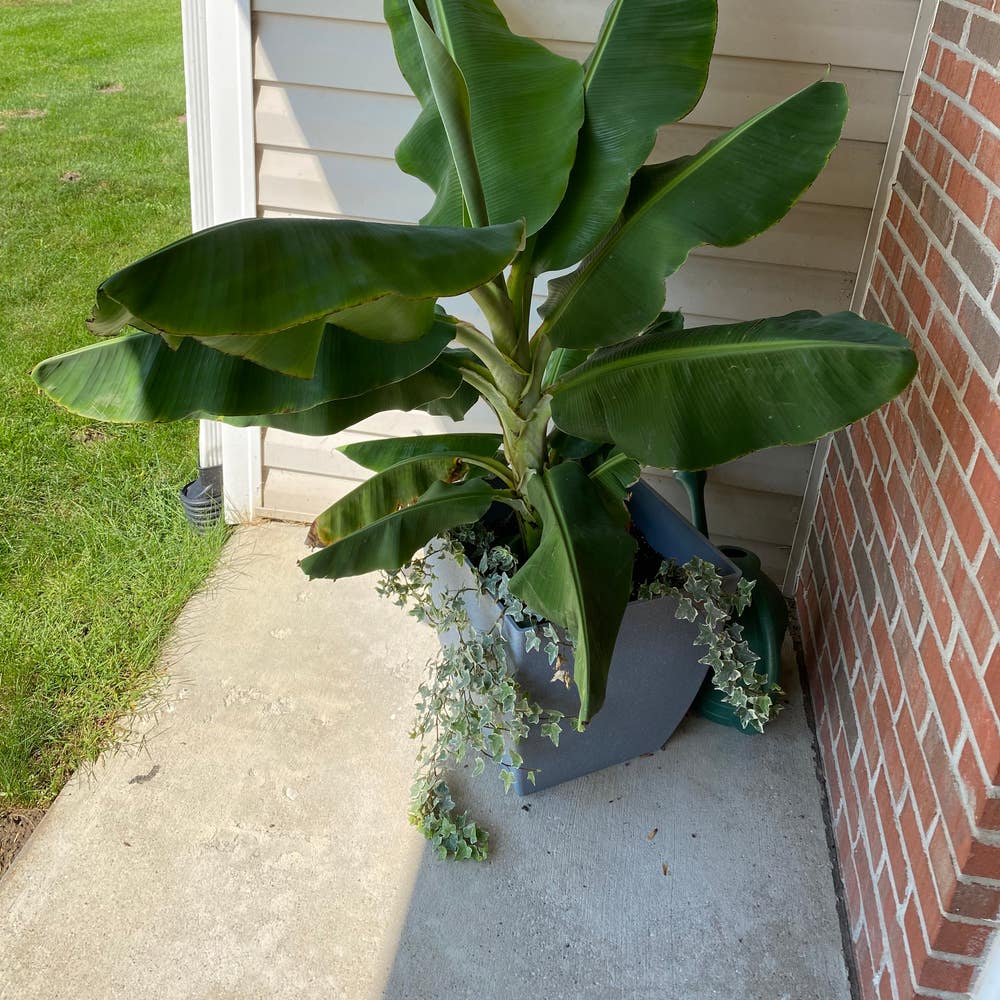
Ensete Is Not Considered a Weed 🍌
Ensete ventricosum
By the Greg Editorial Team
Nov 26, 2024•6 min read
This article was created with the help of AI so we can cover more plants for you. May contain errors. See one? Report it here.
Transform your garden with Ensete's beauty 🌿 while nurturing local ecosystems without the worry of invasiveness! 🌱
- 🌱 Ensete is non-invasive, lacking viable seeds to spread uncontrollably in gardens.
- 🌿 This plant enriches soil health and attracts beneficial insects, boosting biodiversity.
- 🌞 Ensete thrives in diverse conditions, making it a versatile choice for gardeners.
Plant Classification
Definition of Invasive Species 🌱
Invasive species are non-native plants that aggressively spread, outcompeting local flora and disrupting ecosystems. They often exhibit rapid growth, high reproductive rates, and adaptability to various environments, making them a significant concern for biodiversity.
Characteristics that Differentiate Ensete from Invasive Plants 🌿
Ensete stands apart from invasive plants primarily because it does not produce viable seeds, which limits its potential for natural spread. Its growth is usually confined to cultivated areas, and it lacks the aggressive behavior typical of invasive species.
Ensete's growth habits and interactions with the ecosystem do not pose a threat to local flora. This distinction is crucial, as it allows gardeners to enjoy the benefits of Ensete without the worry of it becoming invasive.
In summary, Ensete's unique characteristics make it a valuable addition to gardens while ensuring it remains a responsible choice for sustainable gardening practices. This sets the stage for exploring its growth habits and ecological role in the next sections.
Growth Habits
Typical Growth Patterns 🌱
Ensete is a striking herbaceous plant, characterized by its impressive pseudostem and broad, lush leaves. It can soar up to 10 feet tall and spread between 3 to 5 feet, making it a standout feature in any garden.
This plant thrives best in well-drained, fertile soils and, once established, can withstand periods of drought. Its robust growth habits make it a resilient choice for diverse gardening conditions.
Natural Limits to Growth and Spread Potential 🚧
One of the defining traits of Ensete is its lack of viable seeds, which significantly limits its natural spread in the wild. Instead, it relies on vegetative propagation, a method that is less aggressive compared to seed-based reproduction.
Environmental factors, such as soil quality and moisture levels, play a crucial role in determining Ensete's growth rates and overall health. By understanding these limits, gardeners can better manage its cultivation and ensure a thriving plant.
As we explore the ecological role of Ensete, it’s essential to recognize how its growth habits contribute to garden ecosystems.
Ecological Role
🌱 Benefits in Gardens and Ecosystems
Ensete plays a vital role in enhancing soil health. As its leaves decompose, they enrich the organic matter content, promoting a thriving ecosystem beneath the surface.
Additionally, Ensete provides essential shade and habitat for various wildlife. This not only supports biodiversity but also creates a vibrant garden environment where different species can flourish.
🦋 Positive Interactions with Local Wildlife and Other Plants
One of the standout features of Ensete is its ability to attract beneficial insects. The large foliage serves as a magnet for pollinators, which are crucial for the health of many plants.
Moreover, Ensete can act as a companion plant. It offers shelter for smaller plants, fostering a supportive environment that enhances overall garden health and resilience.
Incorporating Ensete into your garden not only beautifies the space but also contributes to a balanced ecosystem. As we explore further, we'll look at effective garden management strategies to maximize the benefits of this remarkable plant.
Garden Management Strategies
🌿 Incorporating Ensete into Garden Designs
Ensete makes a stunning focal point in any landscape design. Its impressive height, reaching up to 10 feet, and broad leaves create a dramatic visual impact that can elevate the aesthetic of your garden.
Pairing Ensete with other non-invasive plants enhances diversity and visual appeal. Consider combining it with colorful flowering plants or textured foliage to create a vibrant and harmonious garden space.
✂️ Controlling Growth for Aesthetic or Practical Reasons
To maintain the desired height and shape of Ensete, regular pruning is essential. This practice not only keeps the plant looking its best but also encourages healthy growth.
While Ensete is not known for aggressive spreading, it's wise to monitor for any signs of unwanted growth. This vigilance ensures that your garden remains well-organized and visually pleasing, allowing Ensete to shine without overwhelming its companions.
Incorporating these strategies will help you enjoy the beauty and benefits of Ensete while maintaining a balanced garden ecosystem. Next, we will explore the comparison of Ensete to other non-invasive plants, highlighting its unique qualities and benefits.
Comparison to Other Plants
🌱 Similar Non-Invasive Plants
Ensete shares the garden stage with other non-invasive plants like Musa (banana) and Canna lilies. All three boast impressive growth habits, but Ensete stands out with its towering pseudostem and broad, lush leaves that create a striking visual impact.
While Musa plants can reach similar heights, Ensete's drought tolerance gives it an edge in diverse garden conditions. Canna lilies, known for their vibrant flowers, complement Ensete's foliage beautifully, making them perfect companions in landscape design.
🌟 Unique Qualities and Benefits
Ensete isn't just a pretty face; it holds agricultural significance in various cultures as a vital food source. Its starchy pseudostems and leaves are staples in some regions, showcasing its versatility beyond ornamental use.
Moreover, Ensete thrives in a range of garden conditions, making it an excellent choice for gardeners looking to enhance biodiversity. Its ability to adapt while providing aesthetic appeal ensures that Ensete remains a beloved addition to any garden.
As we explore the role of Ensete in sustainable gardening practices, it’s clear that this plant not only beautifies spaces but also enriches ecosystems.
Legal and Environmental Considerations
Classifications or Guidelines for Planting 🌱
When it comes to cultivating Ensete, local regulations often recognize its non-invasive status. This means gardeners can plant it without fear of it becoming a nuisance in the ecosystem.
However, it's essential to stay informed about any specific guidelines in your area. Responsible gardening practices, such as ensuring proper spacing and monitoring growth, can help maintain Ensete's beneficial role in your garden.
Role in Sustainable Gardening Practices ♻️
Incorporating non-invasive plants like Ensete is crucial for sustainable gardening. These plants not only enhance the beauty of your garden but also support local ecosystems.
Ensete contributes positively by improving soil health and providing habitat for wildlife. By choosing plants that coexist harmoniously with their environment, gardeners can create a balanced ecosystem that thrives on diversity and resilience.
As you plan your garden, consider how Ensete can play a role in achieving both aesthetic appeal and ecological harmony. This approach not only beautifies your space but also fosters a sustainable future for our gardens and the planet.
Next, let's explore how to effectively manage Ensete in your garden to maximize its benefits.
⚠️ Safety First
This content is for general information and may contain errors, omissions, or outdated details. It is not medical, veterinary advice, or an endorsement of therapeutic claims.
Always consult a qualified healthcare professional before using any plant as food, medicine, or supplement.
Never eat any plant (or feed one to pets) without confirming its identity with at least two trusted sources.
If you suspect poisoning, call Poison Control (800) 222-1222, the Pet Poison Helpline (800) 213-6680, or your local emergency service immediately.
Spotted an error? Please report it here.
Transform your garden with the stunning Ensete 🌿 while Greg provides tailored care tips to ensure it thrives beautifully alongside your other plants!