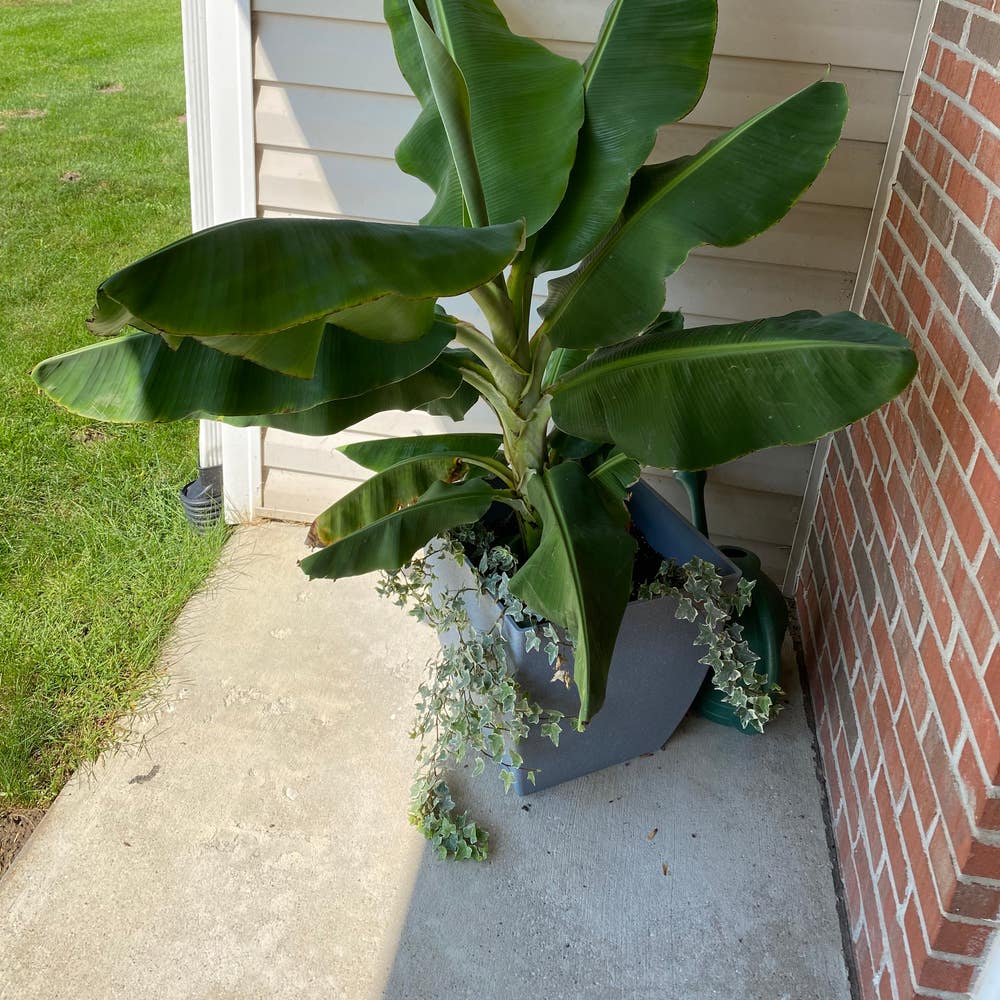
6 Perfect Spots to Plant Your Ensete
Ensete ventricosum
By the Greg Editorial Team
Nov 26, 2024•4 min read
This article was created with the help of AI so we can cover more plants for you. May contain errors. See one? Report it here.
Master the sunlight and soil needs 🌞 of Ensete plants for stunning growth and a vibrant garden! 🌱
- 🌞 Ensete needs 6-8 hours of sunlight daily for optimal growth.
- 🌱 Well-draining soil is crucial to prevent root rot in Ensete plants.
- 🏡 Spacing 4-6 feet apart ensures sunlight access and prevents overcrowding.
Sunlight Exposure Requirements
Full Sun Preference 🌞
Ensete plants thrive best when they receive 6-8 hours of direct sunlight daily. This full sun exposure is crucial for their growth and overall health, making it essential to choose a location that maximizes their sun intake.
Partial Shade Tolerance 🌤️
While Ensete prefers full sun, it can also tolerate partial shade. Providing some protection during the hottest part of the day can help prevent leaf scorch and ensure the plant remains vibrant and healthy.
Understanding these sunlight requirements is key to successfully planting your Ensete. With the right conditions, your plant will flourish, setting the stage for a stunning addition to your garden.
Next, let’s explore the ideal soil type preferences for your Ensete to ensure it has the best foundation for growth.
Soil Type Preferences
Well-Draining Soil 🌊
Ensete thrives in well-draining soil, which is crucial for preventing root rot. Without proper drainage, your plant's roots can become waterlogged, leading to decay and ultimately, plant failure.
Organic Matter 🌱
Incorporating organic matter into your soil is vital for nutrient retention. Rich, loamy soil not only provides essential nutrients but also improves soil structure, promoting healthy root development.
Soil pH ⚖️
The ideal soil pH for Ensete ranges from slightly acidic to neutral, specifically between 6.0 and 7.0. This pH range ensures optimal nutrient availability, allowing your plant to flourish.
Understanding these soil preferences will set the foundation for a healthy Ensete. Next, let’s explore how to assess the best planting spot for your Ensete, considering factors like sunlight and space.
Proximity to Other Plants or Structures
🌱 Spacing Considerations
When planting your Ensete, aim for a minimum distance of 4-6 feet from other plants. This spacing allows your Ensete to grow freely, preventing overcrowding and ensuring it receives adequate sunlight and airflow.
🚫 Avoiding Competition
It's crucial to keep your Ensete away from aggressive plants that might compete for nutrients and water. These plants can stifle the growth of your Ensete, so consider the surrounding flora before planting.
🏡 Structural Proximity
Planting near walls or fences can be beneficial for heat retention, especially in cooler climates. Just be mindful of how close you place your Ensete to these structures, as they can also cast shadows that may limit sunlight exposure.
By carefully considering the proximity of your Ensete to other plants and structures, you can create an optimal growing environment. This attention to detail will help ensure your Ensete thrives, setting the stage for its impressive growth.
Assessing the Best Spot
🌞 Evaluating Garden and Landscape Settings
Finding the perfect spot for your Ensete starts with sunlight mapping. This technique involves observing how sunlight moves across your garden throughout the day, ensuring your plant receives adequate exposure.
Next, conduct soil testing to assess the conditions. Check the pH and drainage capabilities to ensure your Ensete thrives in the right environment.
Space evaluation is crucial as well. Make sure there's enough room for Ensete's large leaves to spread out without obstruction.
🏠 Indoor Planting Considerations
For indoor planting, light requirements are key. Position your Ensete near south or west-facing windows to maximize sunlight exposure.
Container selection also plays a significant role. Opt for pots with good drainage to prevent water from accumulating and harming your plant.
Lastly, temperature control is essential. Maintain warm, humid conditions indoors to replicate the Ensete's natural habitat and encourage healthy growth.
By carefully assessing these factors, you can create an ideal environment for your Ensete, whether outdoors or indoors. This thoughtful approach sets the stage for the next topic: understanding microclimates and environmental factors that can further enhance your plant's success.
Microclimates and Environmental Factors
🌬️ Wind Protection Strategies
Wind can be a formidable foe for your Ensete, especially with its large, lush leaves. Protecting your plant from strong gusts is essential to prevent damage and ensure healthy growth.
Natural barriers like shrubs or fences can effectively shield your Ensete from harsh winds. Positioning these barriers strategically can create a microclimate that fosters a more stable environment.
Additionally, consider the orientation of your Ensete in relation to prevailing winds. Planting it in a way that minimizes wind exposure will help maintain its vitality.
🚰 Drainage Considerations
Assessing soil drainage is crucial for the health of your Ensete. Poor drainage can lead to root rot, which is a common issue for this plant.
To improve drainage, consider techniques such as raised beds or incorporating organic matter into the soil. These methods enhance water flow and prevent waterlogging, ensuring your Ensete thrives.
Selecting the right site is equally important. Avoid areas prone to standing water to keep your plant's roots healthy and happy.
With the right wind protection and drainage strategies, your Ensete will flourish in its environment. Next, let’s explore how to assess the best spot for planting, ensuring your Ensete gets the care it deserves.
⚠️ Safety First
This content is for general information and may contain errors, omissions, or outdated details. It is not medical, veterinary advice, or an endorsement of therapeutic claims.
Always consult a qualified healthcare professional before using any plant as food, medicine, or supplement.
Never eat any plant (or feed one to pets) without confirming its identity with at least two trusted sources.
If you suspect poisoning, call Poison Control (800) 222-1222, the Pet Poison Helpline (800) 213-6680, or your local emergency service immediately.
Spotted an error? Please report it here.
Create the perfect home for your Ensete 🌱 by using Greg's tailored care reminders and soil testing features to ensure it thrives in optimal sunlight and soil conditions!