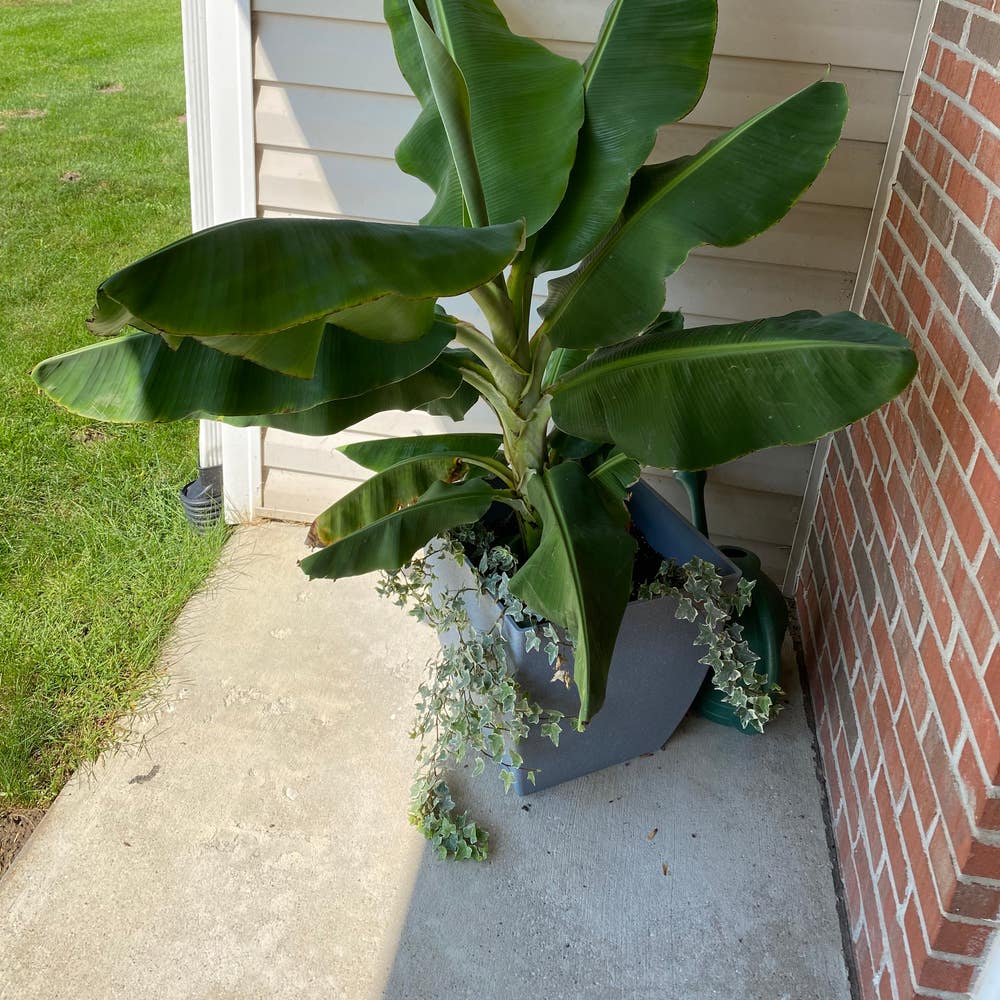
3 Outdoor Care Hacks for Ensete 🍌
Ensete ventricosum
By the Greg Editorial Team
Nov 26, 2024•7 min read
This article was created with the help of AI so we can cover more plants for you. May contain errors. See one? Report it here.
Master the essentials of Ensete care 🌱 to ensure vibrant growth and a thriving plant all year round!
- ☀️ Ensete needs 6-8 hours of sunlight daily for optimal growth and vibrant leaves.
- 💧 Water consistently every 1-2 weeks, adjusting for seasonal changes to prevent root rot.
- 🌱 Fertilize every 4-6 weeks during growing season to avoid nutrient deficiencies and promote health.
Sunlight Requirements
Ideal Sunlight Exposure 🌞
Ensete thrives in full sun, requiring 6-8 hours of direct sunlight each day. In extremely hot climates, it can tolerate some partial shade, allowing it to adapt without compromising its health.
Impact of Insufficient Light 🚫
When Ensete doesn't receive enough light, it shows clear signs of distress. Look for stunted growth, smaller leaves, and pale coloration—these symptoms indicate that your plant is struggling and needs more sunlight to flourish.
Ensuring your Ensete gets the right amount of light is crucial for optimal growth conditions. With proper sunlight exposure, your plant will not only survive but thrive, showcasing its vibrant foliage and robust stature.
As we dive deeper into caring for your Ensete, understanding its watering needs will be the next essential step.
Watering Needs and Frequency
💧 General Watering Guidelines
To keep your Ensete thriving, maintain consistent moisture in the soil. Aim for it to be evenly moist but avoid waterlogging, as this can lead to serious issues.
Watering frequency typically ranges from every 1-2 weeks, depending on the weather conditions. Hotter days may require more frequent watering, while cooler temperatures can allow for longer intervals.
🚫 Signs of Overwatering and Underwatering
Recognizing the signs of overwatering is crucial. Look for yellowing leaves and root rot, which indicate that your plant is drowning.
On the flip side, underwatering manifests as wilting leaves and dry soil. Both extremes can hinder your Ensete's growth, so stay vigilant.
🌦️ Seasonal Adjustments
As the seasons change, so should your watering routine. During the hot summer months, increase your watering to support the plant's growth.
Conversely, reduce watering in the cooler fall and winter months. This adjustment helps your Ensete conserve energy and prepares it for dormancy.
By understanding and adjusting to your plant's watering needs, you can ensure a healthy and vibrant Ensete throughout the year. Next, let’s explore the ideal soil preferences and amendments to further enhance its growth.
Soil Preferences and Amendments
Ideal Soil Composition 🌱
Ensete thrives in well-draining soil that is rich in organic matter. Aim for a soil pH between 6.0 and 7.0 to create the perfect environment for growth.
Soil Amendments 🧑🌾
To enhance soil fertility, consider adding compost or well-rotted manure. These amendments not only boost nutrient levels but also improve soil structure.
Importance of Drainage 🚰
Proper drainage is crucial to prevent root rot, a common issue for Ensete. Ensure your planting area allows excess water to escape, keeping roots healthy and happy.
By focusing on the right soil conditions and amendments, you set the stage for robust growth. Next, let’s explore how to keep your Ensete well-fed with the right fertilization practices.
Fertilization Schedule and Types
🌱 Recommended Fertilization Practices
To keep your Ensete thriving, fertilization is key. Aim to fertilize every 4-6 weeks during the growing season to provide essential nutrients.
For the best results, use a balanced NPK fertilizer, such as a 10-10-10 blend. Organic options like fish emulsion can also work wonders, enriching the soil naturally.
⚠️ Signs of Nutrient Deficiency
Watch for signs that your Ensete might be lacking nutrients. Yellowing leaves often indicate a nitrogen deficiency, signaling that it's time to boost your fertilization routine.
If you notice stunted growth, it could be a sign of phosphorus deficiency. Addressing these issues promptly will help your plant flourish.
With proper fertilization, your Ensete will be well-equipped to grow strong and healthy, setting the stage for the next section on protecting it from weather and pests.
Protection from Weather and Pests
🌧️ Strategies for Weather Protection
To keep your Ensete thriving, protecting it from harsh weather is crucial. In colder months, using frost cloths or blankets can shield your plants from freezing temperatures.
Mulching is another effective strategy. It helps retain soil moisture and regulates temperature, creating a more stable environment for your Ensete.
🐛 Common Outdoor Pests Affecting Ensete
Outdoor pests can pose a significant threat to your Ensete. Aphids are a common nuisance, and their presence is often indicated by curled leaves and a sticky residue on the foliage.
Mealybugs are another pest to watch for. They appear as white, cotton-like masses on leaves and can weaken your plant if not addressed promptly.
🛡️ Pest Control Methods and Prevention
Preventing pest infestations is easier than dealing with them after they occur. Introducing natural predators like ladybugs and lacewings can help keep aphid populations in check.
For more severe infestations, consider using organic insecticides such as neem oil or insecticidal soap. These options are effective and less harmful to the environment.
🦠 Diseases Common to Ensete and Their Management
Diseases can also affect your Ensete, with root rot being a primary concern. This condition is often caused by overwatering, so ensuring proper drainage is essential for prevention.
Leaf spot is another fungal disease that can occur. Managing it involves maintaining proper spacing between plants and ensuring good airflow to reduce humidity around the leaves.
By implementing these protective measures, you can help your Ensete flourish despite the challenges posed by weather and pests. Next, let’s explore how seasonal changes impact your plant care routine.
Seasonal Care
🌦️ Seasonal Changes and Their Impact
Understanding seasonal changes is crucial for the health of your Ensete. Temperature and light fluctuations directly influence growth patterns, so being aware of these shifts helps you provide the best care.
❄️ Winter Care in Colder Climates
During winter, it's essential to protect your Ensete from harsh conditions. If you have container plants, consider bringing them indoors or using frost protection methods to shield them from freezing temperatures.
Reducing watering frequency is also important during dormancy. This helps prevent root rot and ensures your plant conserves energy during the colder months.
☀️ Summer Care Tips for Optimal Growth
As temperatures rise, your Ensete will thrive with increased care. Boost watering and fertilization to support robust growth, ensuring the soil remains consistently moist but not soggy.
Keep an eye out for pests, as warmer weather can invite unwanted visitors. Regularly inspect your plants for signs of infestations to maintain their health.
🌱 Spring and Fall Maintenance Practices
Spring is the perfect time to prepare your Ensete for new growth. Focus on enriching the soil and applying fertilizer to kickstart the growing season.
In fall, it's time to adjust your care routine. Reduce watering as temperatures drop and prepare your plants for winter protection, ensuring they are ready to withstand the colder months ahead.
By understanding and adapting to seasonal changes, you can help your Ensete flourish year-round. This proactive approach sets the stage for healthy growth and vibrant foliage.
Climate Zone Considerations
Best Climate Zones for Growing 🌞
Ensete thrives best in USDA zones 9-11, where temperatures remain warm enough for optimal growth. It's crucial to recognize the plant's sensitivity to frost, as even a light freeze can damage its leaves and stunt its development.
Adaptation Strategies for Different Climates 🌍
To maximize growth potential, consider utilizing microclimates. Planting near walls or structures can provide additional warmth and protection from harsh winds.
Selecting the right planting location based on sun exposure is also vital. Areas that receive ample sunlight will support healthier growth and vibrant foliage.
Microclimate Considerations 🌬️
Utilizing sheltered areas can significantly enhance your Ensete's resilience. Protecting your plant from wind and frost will help maintain its health throughout the seasons.
Additionally, monitoring local weather patterns allows for proactive care. Being aware of temperature fluctuations can guide your watering and protection strategies effectively.
With these climate considerations in mind, you'll be better equipped to nurture your Ensete. Next, let's explore seasonal care practices to ensure your plant thrives year-round.
⚠️ Safety First
This content is for general information and may contain errors, omissions, or outdated details. It is not medical, veterinary advice, or an endorsement of therapeutic claims.
Always consult a qualified healthcare professional before using any plant as food, medicine, or supplement.
Never eat any plant (or feed one to pets) without confirming its identity with at least two trusted sources.
If you suspect poisoning, call Poison Control (800) 222-1222, the Pet Poison Helpline (800) 213-6680, or your local emergency service immediately.
Spotted an error? Please report it here.
Keep your Ensete thriving 🌱 with these outdoor care hacks, and let Greg provide you with personalized watering reminders and soil tips to ensure your plant flourishes!