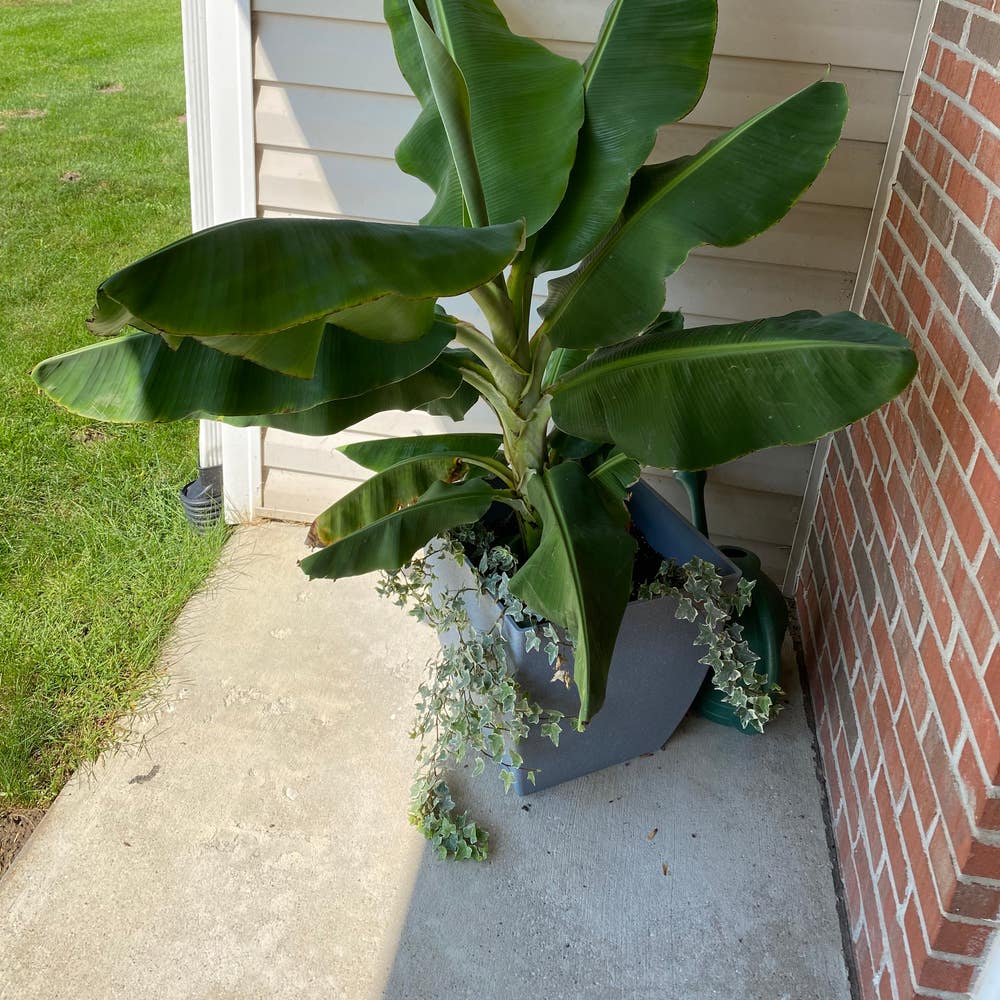
7 Winter Threats to Your Ensete ❄️
Ensete ventricosum
By the Greg Editorial Team
Nov 26, 2024•4 min read
This article was created with the help of AI so we can cover more plants for you. May contain errors. See one? Report it here.
Ensure your Ensete survives winter's chill 🌨️ with these essential care tips for a vibrant spring recovery! 🌱
- ❄️ Protect Ensete from frost using cloth or burlap to retain warmth.
- 🌡️ Ideal indoor temperatures for Ensete are 15°C to 25°C (59°F to 77°F).
- 🌱 Reduce watering to every 2-3 weeks in winter to prevent root rot.
Winter Protection Strategies
❄️ Frost Protection Methods
Frost protection is crucial for your Ensete, especially during the colder months. These tropical plants are not equipped to handle freezing temperatures, so taking preventive measures is essential to ensure their survival.
To protect your Ensete from frost, consider these effective techniques:
- Covering with Frost Cloth or Burlap: This provides a barrier against cold air and frost, helping to retain warmth.
- Using Mulch Around the Base: Adding mulch around the roots insulates them, preventing the soil from freezing.
- Bringing Potted Ensete Indoors: If your Ensete is in a pot, relocating it to a sheltered area or indoors can shield it from harsh winter conditions.
Timing is everything when it comes to implementing these frost protection measures. Start preparing as soon as temperatures begin to drop, ideally before the first frost hits.
🏠 Indoor Care During Winter Months
Transitioning your Ensete indoors requires creating ideal conditions for its growth. Aim for a temperature range of 15°C to 25°C (59°F to 77°F) to keep your plant comfortable.
Maintaining moderate humidity is also vital. Indoor heating can dry out the air, so consider using a humidifier or placing a tray of water nearby.
Light is another critical factor for indoor Ensete care. Position your plant near bright, indirect sunlight to ensure it receives adequate light without the risk of scorching its leaves.
Watering adjustments are necessary during winter months. Reduce the frequency to prevent overwatering, which can lead to root rot. Check the soil moisture regularly to ensure your Ensete stays healthy.
By following these indoor care tips, you can help your Ensete thrive even during the coldest months. As winter progresses, keep an eye on your plant's needs to ensure a smooth transition into spring.
Watering and Fertilizing Adjustments
🌨️ Adjusting Watering Schedules for Winter
During winter, Ensete enters a dormant phase, making it crucial to reduce watering frequency. Overwatering can lead to root rot, so it's essential to adjust your routine accordingly.
Aim to water every 2-3 weeks, but keep an eye on indoor humidity levels. If your home is particularly dry, you might need to water more frequently.
Watch for signs of overwatering, such as yellowing leaves or a mushy pseudostem. These indicators signal that your plant is struggling and may need less water.
To check soil moisture levels, stick your finger about an inch into the soil. If it feels dry, it’s time to water; if it’s still moist, hold off for a bit longer.
❄️ Fertilizing During Dormancy
Ensete has different nutrient needs during winter. While it's tempting to keep fertilizing, it's best to hold off unless you notice new growth.
If you do decide to fertilize, opt for a low-nitrogen fertilizer or skip it altogether during dormancy. This approach helps prevent unnecessary stress on the plant.
Timing is also key. Only fertilize if you see signs of growth resuming in late winter. This ensures your Ensete gets the nutrients it needs when it’s ready to thrive again.
By adjusting your watering and fertilizing practices, you can help your Ensete survive the winter months. This care sets the stage for a healthy spring recovery, which we’ll explore next.
Spring Preparation and Recovery
🌨️ Signs of Winter Damage
As winter fades, it's crucial to check your Ensete for signs of frost damage. Look for brown, mushy leaves and a soft pseudostem, which indicate that your plant has suffered.
Additionally, wilting or drooping foliage can signal distress. Assessing these symptoms early helps you take action before the plant's health declines further.
🌱 Steps for Recovery and Spring Preparation
Once you've identified damage, it's time to prune. Wait until the danger of frost has passed to avoid further stress on your Ensete.
Use clean, sharp pruning shears to remove any dead or damaged leaves and stems. This not only improves the plant's appearance but also encourages new growth.
After pruning, adjust your care routine to support recovery. Resume regular watering and fertilization schedules to help your Ensete bounce back.
Keep an eye out for pests and diseases, as winter stress can make your plant more vulnerable. Monitoring closely ensures you catch any issues early, setting your Ensete up for a thriving spring.
With these steps, your Ensete will be well on its way to a healthy recovery, ready to flourish in the warmer months ahead.
⚠️ Safety First
This content is for general information and may contain errors, omissions, or outdated details. It is not medical, veterinary advice, or an endorsement of therapeutic claims.
Always consult a qualified healthcare professional before using any plant as food, medicine, or supplement.
Never eat any plant (or feed one to pets) without confirming its identity with at least two trusted sources.
If you suspect poisoning, call Poison Control (800) 222-1222, the Pet Poison Helpline (800) 213-6680, or your local emergency service immediately.
Spotted an error? Please report it here.
Protect your Ensete from winter's chill with frost covers and proper watering, and let Greg's tailored reminders guide you to a thriving spring 🌱!