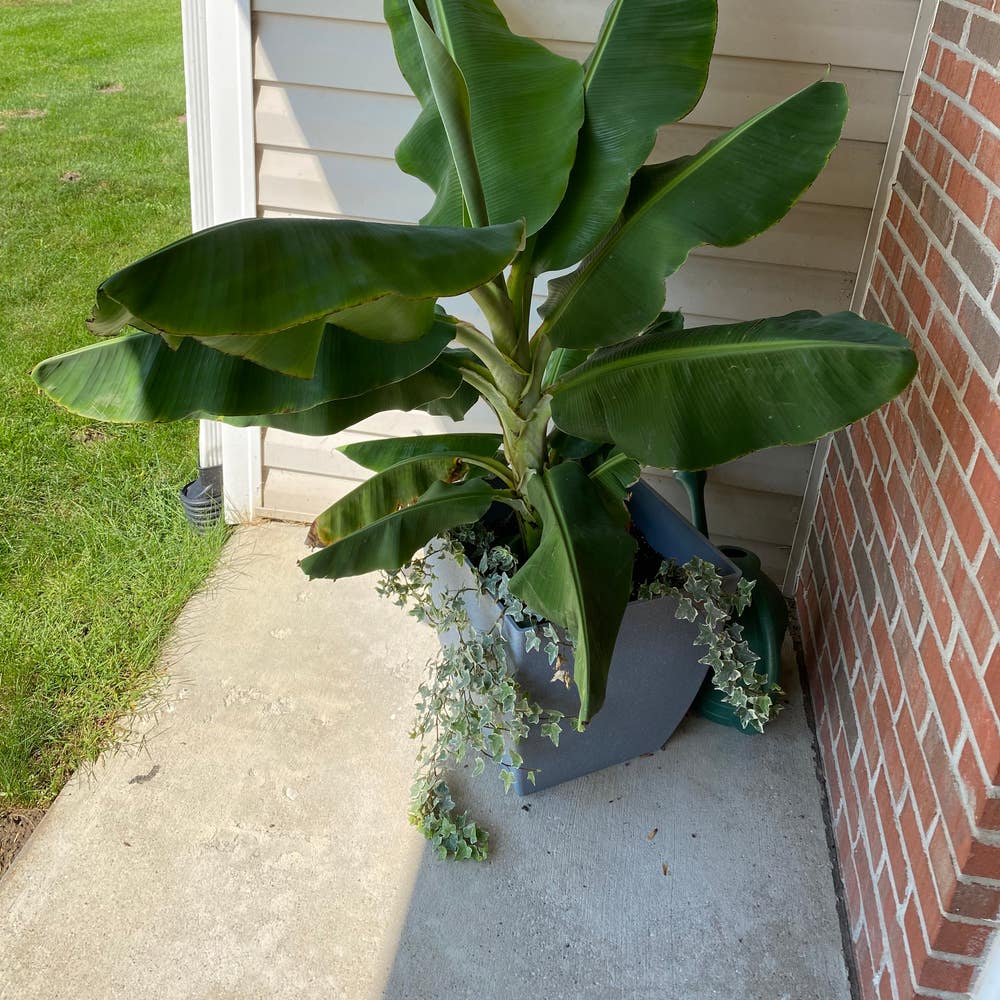
How to Cure Root Rot in Your Ensete 🍌
Ensete ventricosum
By the Greg Editorial Team
Nov 26, 2024•5 min read
This article was created with the help of AI so we can cover more plants for you. May contain errors. See one? Report it here.
Save your Ensete from root rot with these essential diagnosis and treatment tips! 🌱💧
- 💧 Overwatering and poor drainage are primary causes of root rot in Ensete plants.
- 🌱 Wilting and yellowing leaves indicate root damage; inspect your plant immediately.
- 🧼 Treat root rot by trimming rotten roots, cleaning, and repotting in well-draining soil.
Causes of Root Rot
💧 Overwatering
Overwatering is a primary culprit behind root rot. Excess moisture creates anaerobic conditions, depriving roots of the oxygen they need to thrive.
🕳️ Poor Soil Drainage
Another significant factor is poor soil drainage. Compacted or heavy soils trap water, leading to a soggy environment that roots simply can't handle.
🍄 Fungal Infections
Fungal infections are common pathogens that cause root decay. These invaders thrive in damp conditions, further exacerbating the problem.
🌪️ Environmental Stressors
Environmental stressors, such as high humidity and low temperatures, can also worsen root rot. These conditions make it even harder for your Ensete to recover, creating a perfect storm for root health issues.
Understanding these causes is crucial for effective prevention and treatment. By addressing these factors, you can help your Ensete flourish and avoid the pitfalls of root rot.
Symptoms of Root Rot
🌿 Wilting Leaves
One of the first signs of root rot is wilting leaves. When your Ensete's leaves droop and lose their turgor pressure, it’s a clear indication that something is wrong.
💛 Yellowing Leaves
Another symptom to watch for is yellowing leaves, also known as chlorosis. This discoloration often signals that the plant is struggling to absorb nutrients due to root damage.
🕵️♂️ Root Discoloration
If you examine the roots, look for dark, mushy areas. Healthy roots should be firm and white; any signs of decay indicate a serious problem.
🤢 Foul Odor
Lastly, a foul odor emanating from the root zone is a telltale sign of decay. This unpleasant smell often accompanies the presence of rot and should not be ignored.
Recognizing these symptoms early can make a significant difference in your Ensete's recovery. If you notice any of these signs, it’s time to take action and diagnose the root rot issue.
Diagnosing Root Rot
👀 Visual Inspection
Start by examining the roots and pseudostem of your Ensete. Look for signs of decay, such as dark, mushy areas that indicate rot.
💧 Soil Moisture Test
Next, assess the moisture level in the soil. You can use a moisture meter or simply stick your finger into the soil to check if it feels overly wet.
🌱 Assessing Plant Health
Finally, take a step back and evaluate the overall health of your plant. Note any changes in vigor or growth patterns, as these can signal underlying issues related to root rot.
By following these diagnostic steps, you can identify root rot early and take action to save your Ensete. Understanding the signs will empower you to maintain a healthier plant and prevent future problems.
Treating Root Rot
Root rot can be a serious issue for your Ensete, but with the right approach, you can save your plant. Here’s a straightforward step-by-step treatment process to help you tackle this problem effectively.
Step-by-Step Treatment Process 🌱
Remove the plant from its pot: Gently extract the Ensete to avoid further damage. This initial step is crucial for assessing the root condition.
Inspect the roots: Identify and trim away any rotten or mushy roots. Healthy roots should feel firm and look white or light tan.
Clean the root system: Rinse with clean water to remove soil and pathogens. This helps eliminate any lingering issues that could lead to further decay.
Apply fungicide: Treat the remaining healthy roots with a recommended fungicide. This step is vital to prevent future fungal infections.
Repot in fresh soil: Use a well-draining soil mix suitable for Ensete. A good mix will help ensure that excess moisture can escape, reducing the risk of root rot.
Recommended Treatments 🧪
When it comes to treating root rot, you have options.
Commercial fungicides: Look for products containing copper sulfate or systemic fungicides. These are effective at combating root rot pathogens.
Natural remedies: Consider using neem oil or cinnamon as antifungal treatments. Both options are gentler on your plant while still providing protection against decay.
By following these steps and using the right treatments, you can help your Ensete recover from root rot. Remember, prevention is just as important as treatment, so stay tuned for tips on how to keep your plant healthy and thriving!
Preventing Root Rot
Best Soil Types 🌱
To keep your Ensete thriving, start with a well-draining potting mix. A blend of peat, perlite, and compost works wonders, ensuring that excess moisture can escape while still providing essential nutrients.
Watering Techniques 💧
Establishing a proper watering schedule is crucial. Allow the top inch of soil to dry out before watering again, which helps prevent waterlogged conditions.
When you do water, make sure to do it thoroughly. However, avoid letting your plant sit in water, as this can quickly lead to root rot.
Importance of Drainage 🚰
Selecting the right pot is just as important as the soil. Always choose pots with adequate drainage holes to facilitate proper water flow.
Additionally, consider incorporating soil amendments like gravel or coarse sand. These materials enhance drainage, creating an environment where your Ensete can flourish without the threat of root rot.
By following these preventive measures, you can significantly reduce the risk of root rot and keep your Ensete healthy and vibrant. Next, let’s explore how to diagnose root rot effectively.
⚠️ Safety First
This content is for general information and may contain errors, omissions, or outdated details. It is not medical, veterinary advice, or an endorsement of therapeutic claims.
Always consult a qualified healthcare professional before using any plant as food, medicine, or supplement.
Never eat any plant (or feed one to pets) without confirming its identity with at least two trusted sources.
If you suspect poisoning, call Poison Control (800) 222-1222, the Pet Poison Helpline (800) 213-6680, or your local emergency service immediately.
Spotted an error? Please report it here.
Revive your Ensete from root rot with smart watering tips 💧 and tailored care reminders from Greg, ensuring your plant stays healthy and happy!