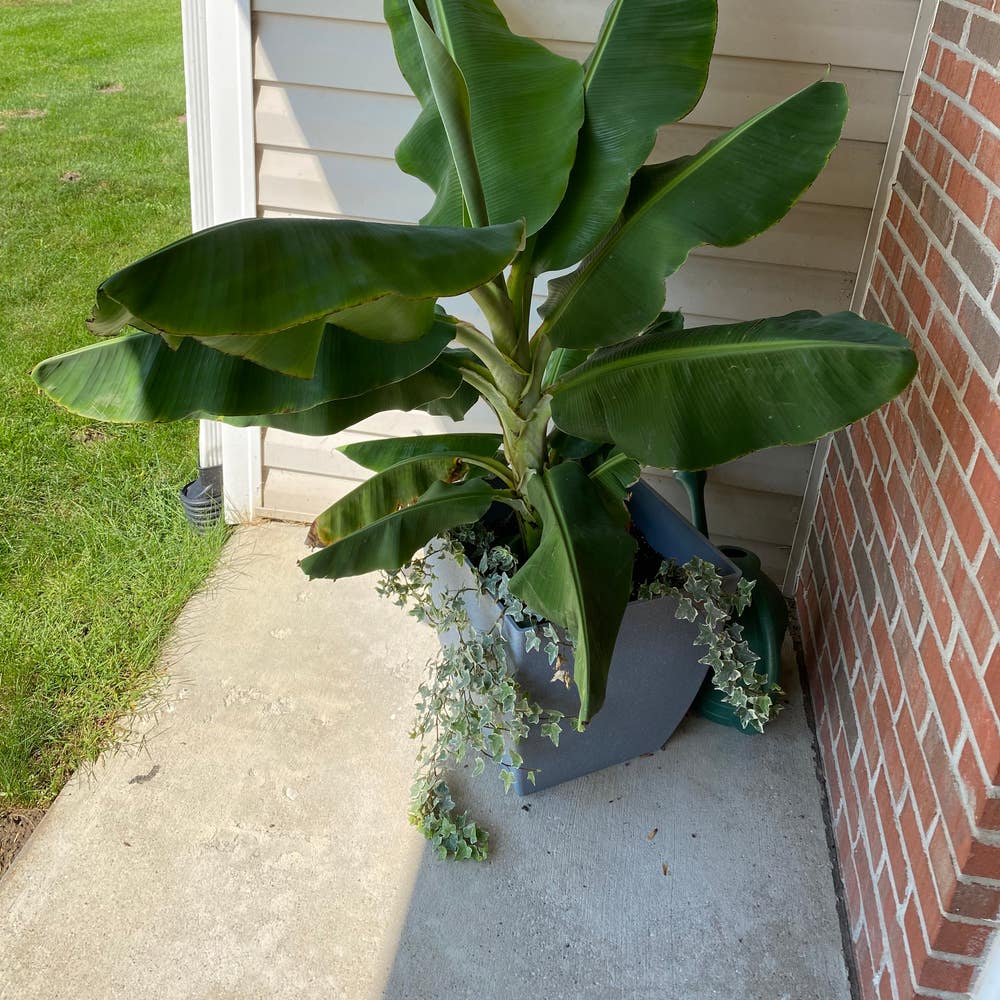
Determining If Your Ensete Is Dying 🍌
Ensete ventricosum
By the Greg Editorial Team
Nov 26, 2024•5 min read
This article was created with the help of AI so we can cover more plants for you. May contain errors. See one? Report it here.
Ensure your Ensete thrives 🌱 by spotting distress signs early and taking action for a vibrant, healthy plant! 🌿
- 🌱 Yellowing leaves indicate nutrient deficiencies or water issues; adjust care accordingly.
- 💧 Wilting leaves suggest underwatering or root problems; act quickly to revive your plant.
- 🦠 Fuzzy growth often signals fungal infections; treat promptly to prevent further damage.
Recognizing Unhealthy Ensete
🚨 Signs of an unhealthy plant
Keeping an eye on your Ensete is crucial for its health. Here are some key signs that your plant may be struggling.
💛 Yellowing leaves
If you notice yellowing leaves, it could indicate nutrient deficiencies or water issues. This is often the first warning sign that something is off.
😢 Wilting or drooping
Wilting or drooping leaves can signify underwatering or root problems. If your plant looks sad and limp, it’s time to investigate further.
🦠 Fuzzy growth
Fuzzy growth on your Ensete is often a sign of fungal issues, like powdery mildew. This can spread quickly, so addressing it promptly is essential.
📏 Leaning or leggy growth
If your Ensete is leaning or has a leggy appearance, it suggests inadequate light or improper care. This can lead to a weak structure, making your plant more vulnerable.
Recognizing these signs early can make a significant difference in your plant's recovery. Next, let’s explore common problems specific to Ensete and how to tackle them effectively.
Common Problems Specific to Ensete
💧 Incorrect Watering
Identifying overwatering symptoms
Overwatering can be detrimental to your Ensete. Look for leaves that are turning yellow and mushy, which often indicates root rot, characterized by squishy roots that may emit a foul odor.
Identifying underwatering symptoms
On the flip side, underwatering presents its own set of issues. If you notice leaves wilting and curling, or if the leaf edges are dry and crispy, your plant is likely thirsty.
Causes and solutions for overwatering
Overwatering typically stems from poor drainage or excessive rainfall. To remedy this, allow the soil to dry out, improve drainage, or consider repotting if necessary.
Causes and solutions for underwatering
Infrequent watering or a dry climate can lead to underwatering. Establish a consistent watering schedule, and consider using the Greg plant care app to help keep track.
💡 Incorrect Light Conditions
Symptoms of inadequate light
If your Ensete isn’t getting enough light, you might notice stunted growth and a leggy appearance. Additionally, leaves may start turning yellow and dropping off.
Symptoms of excessive light
Conversely, too much light can cause leaf scorch, resulting in brown, crispy edges. You may also see fading leaf color, indicating your plant is struggling.
Causes and solutions for light issues
Light issues often arise from placing your Ensete in areas that are too dark or too bright. Adjust its location to provide filtered light or shade as needed for optimal growth.
🌡️ Incorrect Temperature
Signs of temperature stress
Temperature stress can manifest in several ways. Watch for leaves wilting or browning at the tips, as well as slow growth or dormancy.
Ideal temperature range
Ensete thrives in temperatures between 20°C to 30°C (68°F to 86°F). Keeping your plant within this range is crucial for its health.
Solutions for temperature-related problems
To combat temperature-related issues, move your Ensete indoors during cold snaps or provide frost protection. In cooler environments, using heat mats can also help maintain warmth.
🐛 Pests
Common pests affecting Ensete
Pests can be a significant threat to your Ensete. Common culprits include aphids, spider mites, and mealybugs.
Identifying pest infestations
Look for sticky residue on leaves, visible insects, or webbing as signs of an infestation. Early detection is key to effective treatment.
Treatment options for pests
For pest control, consider using insecticidal soap or neem oil. You can also introduce beneficial insects like ladybugs for a natural approach to pest management.
🦠 Diseases
Symptoms of common diseases
Diseases can severely impact your Ensete's health. Symptoms to watch for include powdery mildew, which appears as white, powdery spots on leaves, rust with orange or brown pustules on leaf undersides, black rot with dark, water-soaked spots, and blight, which causes rapid wilting and browning of leaves.
Causes and treatment methods for diseases
High humidity and poor air circulation often lead to these diseases. Treatments include applying fungicides for fungal issues, improving air circulation, and removing affected leaves to prevent spread.
Understanding these common problems can help you keep your Ensete healthy and thriving. With the right care and attention, your plant can flourish, setting the stage for preventive measures that will ensure its long-term vitality.
Preventive Measures
🌱 Best practices for Ensete care
To keep your Ensete thriving, regularly check the soil moisture. Adjust your watering schedule based on the plant's needs to avoid both overwatering and underwatering.
Ensure your Ensete receives adequate light and temperature conditions. A well-placed plant will flourish, so consider its location carefully.
📅 Seasonal considerations for prevention
During warm, humid months, monitor your plant for pests and diseases more closely. This proactive approach can help you catch issues before they escalate.
In colder months, protect your Ensete from frost. A little extra care during chilly weather can make a significant difference in its health.
🔍 Importance of regular monitoring
Frequent checks on your Ensete can help catch problems early. This vigilance is key to maintaining plant health and ensuring a vibrant, happy plant.
By implementing these preventive measures, you can enjoy a flourishing Ensete and minimize the risk of health issues. Next, let’s explore the common problems specific to Ensete and how to address them effectively.
⚠️ Safety First
This content is for general information and may contain errors, omissions, or outdated details. It is not medical, veterinary advice, or an endorsement of therapeutic claims.
Always consult a qualified healthcare professional before using any plant as food, medicine, or supplement.
Never eat any plant (or feed one to pets) without confirming its identity with at least two trusted sources.
If you suspect poisoning, call Poison Control (800) 222-1222, the Pet Poison Helpline (800) 213-6680, or your local emergency service immediately.
Spotted an error? Please report it here.
Keep your Ensete thriving 🌿 by using Greg's tailored care reminders to tackle issues like yellowing leaves and wilting before they become serious!