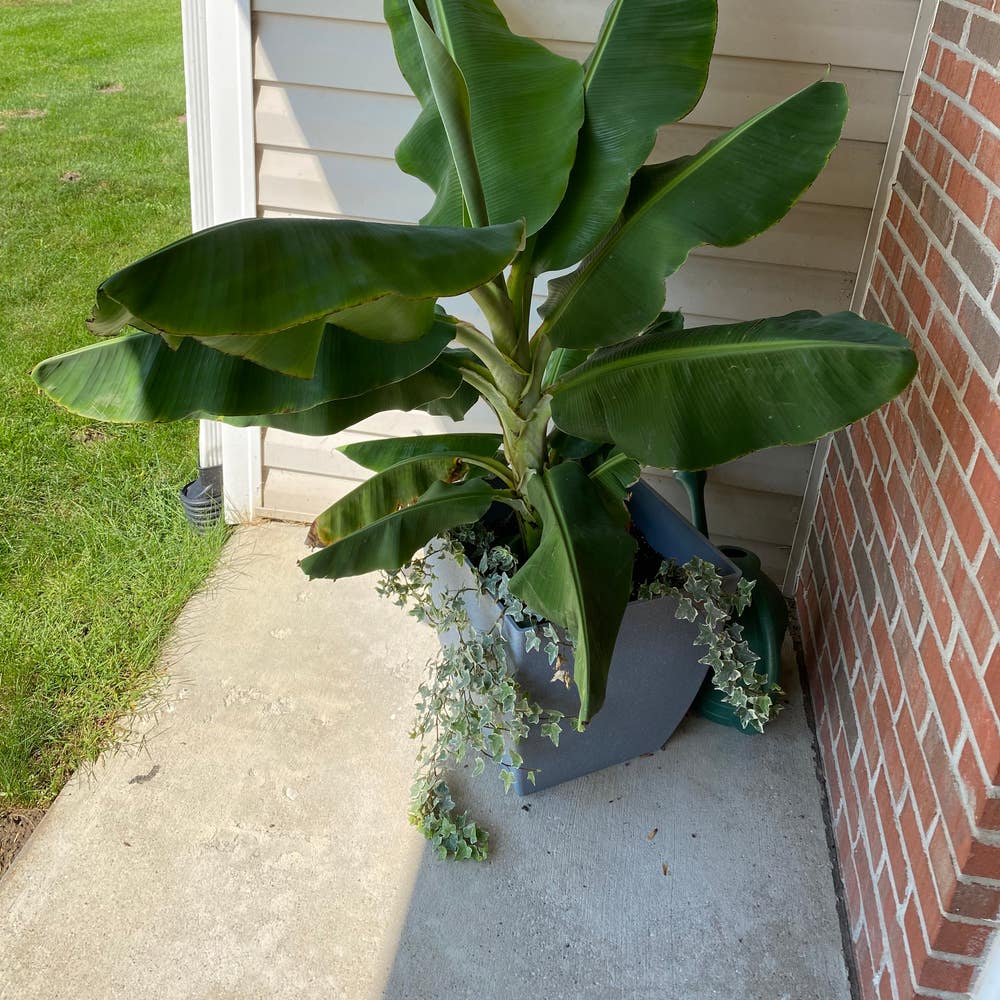
💡 10 Tips for Light Requirements for Your Ensete
Ensete ventricosum
By the Greg Editorial Team
Nov 26, 2024•5 min read
This article was created with the help of AI so we can cover more plants for you. May contain errors. See one? Report it here.
Master Ensete's light needs 🌞 to unlock vibrant growth and stunning blooms in your garden! 🌱
- 🌞 Ensete thrives in bright indirect light for optimal growth without leaf burn.
- 🌿 Full sun (6-8 hours) is crucial for robust outdoor growth and larger foliage.
- 💡 Grow lights supplement natural light, ensuring healthy indoor growth year-round.
Types of Light Suitable for Ensete
🌞 Bright Indirect Light
Bright indirect light is a crucial aspect of Ensete care. This type of light occurs when sunlight is filtered through a sheer curtain or reflected off walls, providing a soft glow that promotes growth without the risk of leaf burn.
For indoor settings, bright indirect light is ideal. It allows your Ensete to thrive while minimizing stress on the leaves, ensuring they remain lush and vibrant.
☀️ Full Sun
Full sun exposure means your Ensete receives direct sunlight for a significant portion of the day. This condition is essential for robust growth and larger foliage, as it mimics the plant's natural habitat.
For outdoor growth, aim for 6-8 hours of direct sunlight daily. This duration will help your Ensete flourish, producing the stunning leaves that make it such a striking addition to any garden.
🌳 Shade Tolerance
One of the remarkable traits of Ensete is its shade tolerance. While it thrives in bright light, it can adapt to some shaded environments, making it versatile for various planting conditions.
In shaded areas, Ensete can still grow, but the growth may be slower and less vigorous. Understanding its shade tolerance helps you create the best conditions for your plant, ensuring it remains healthy and beautiful.
With a solid grasp of the light requirements for Ensete, you can now explore how to optimize indoor light conditions for your plant's success.
Indoor Light Conditions
Recommended Light Levels 🌞
For optimal indoor growth, Ensete thrives in light intensities between 1000-2000 foot-candles. Positioning your plant near south or west-facing windows will maximize its light exposure, ensuring it receives the energy it needs to flourish.
Use of Grow Lights 💡
When natural light isn't sufficient, grow lights can be a game changer. Here’s what you need to know:
- Types of Grow Lights: LED, fluorescent, and incandescent options are available, each with unique benefits.
- Recommended Light Duration: Aim for 12-14 hours of light per day to mimic natural conditions.
- Placement of Grow Lights: Position your grow lights 12-24 inches above the plant to avoid overheating and ensure effective light distribution.
- Benefits of Grow Lights: They provide consistent light levels year-round, especially beneficial during darker months or in low-light environments.
By understanding and implementing these indoor light conditions, you can create a thriving environment for your Ensete. This foundation will set the stage for exploring outdoor light conditions next.
Outdoor Light Conditions
Full Sun vs. Partial Shade ☀️
Ensete thrives in full sun, which is essential for vigorous growth and the development of larger foliage. Ideally, it should receive 6-8 hours of direct sunlight daily to maximize its potential.
In contrast, partial shade can be beneficial, especially in hotter climates. This environment helps prevent leaf scorch, allowing the plant to flourish without the stress of excessive heat.
Seasonal Light Changes 🌦️
As the seasons change, so do the light conditions. Adjusting your care routine based on these variations is crucial for maintaining optimal growth.
Monitoring light exposure throughout the year ensures your Ensete receives the right amount of sunlight. This attention to detail can significantly enhance its health and vitality, making it a more resilient and beautiful plant.
Effects of Light on Flowering
🌸 Flowering Characteristics
Ensete, often referred to as the "false banana," has unique flowering habits that can be quite fascinating. Typically, these plants flower only when they reach maturity, which can take several years, and they require specific conditions to do so.
💡 Light's Role in Triggering Flowering
One of the most critical factors influencing Ensete's flowering is light exposure. Adequate light not only promotes healthy growth but also enhances the plant's potential to flower, making it essential for any gardener aiming for blooms.
In optimal conditions, the right amount of light can stimulate the flowering process, leading to vibrant and impressive blooms. Ensuring your Ensete receives sufficient light will significantly increase your chances of witnessing this remarkable event.
As you consider the light needs of your Ensete, remember that the journey to flowering is as important as the blooms themselves. With the right care and attention, your plant can thrive and reward you with its stunning flowers.
Next, let’s explore the signs of inadequate light and how to recognize when your Ensete might be struggling.
Signs of Inadequate Light
🌼 Visual Indicators
One of the first signs that your Ensete may not be getting enough light is yellowing leaves. This discoloration often indicates that the plant is struggling to photosynthesize effectively due to insufficient light.
Another common visual cue is leggy growth. If you notice stretched stems and sparse foliage, your Ensete is likely reaching for light, signaling that it needs a brighter environment.
🐢 Behavioral Changes
In addition to visual signs, you may observe behavioral changes in your Ensete. A slowed growth rate can occur, leading to reduced leaf production and overall vigor, which can be disheartening for any plant enthusiast.
Moreover, inadequate light can make your Ensete more susceptible to pests and diseases. A weakened plant is less equipped to fend off these threats, so ensuring proper light levels is crucial for its health and resilience.
By recognizing these signs early, you can take action to improve your plant's light conditions, ensuring it thrives and flourishes. Next, let’s explore how light affects flowering in your Ensete.
⚠️ Safety First
This content is for general information and may contain errors, omissions, or outdated details. It is not medical, veterinary advice, or an endorsement of therapeutic claims.
Always consult a qualified healthcare professional before using any plant as food, medicine, or supplement.
Never eat any plant (or feed one to pets) without confirming its identity with at least two trusted sources.
If you suspect poisoning, call Poison Control (800) 222-1222, the Pet Poison Helpline (800) 213-6680, or your local emergency service immediately.
Spotted an error? Please report it here.
Ensure your Ensete thrives and blooms brilliantly 🌼 by using Greg's tailored light reminders and care tips to keep its light exposure just right!