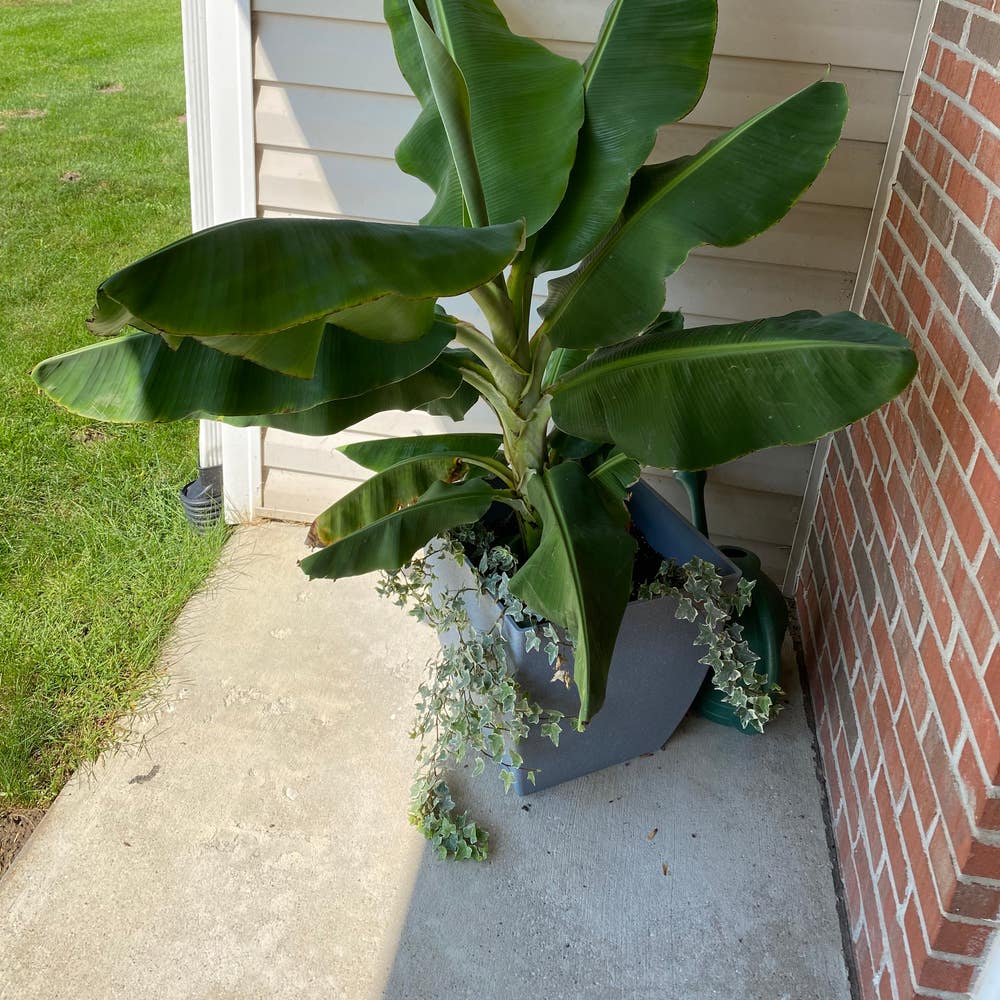
Top 4 Pot Features Your Ensete Will Love 🍌
Ensete ventricosum
By the Greg Editorial Team
Nov 26, 2024•5 min read
This article was created with the help of AI so we can cover more plants for you. May contain errors. See one? Report it here.
Transform your Ensete's growth 🌱 by mastering the perfect pot size and material for vibrant health!
- 🌱 Choose the right pot size for each growth stage to ensure healthy Ensete development.
- 💧 Proper drainage is essential; use pots with 3-5 holes to prevent root rot.
- 🏺 Material matters: clay pots enhance aeration, while plastic retains moisture better.
Pot Size for Growth Stages
Recommended Sizes 🌱
Choosing the right pot size for your Ensete is crucial at different growth stages.
- Juvenile: For young plants, opt for a pot with a diameter of 6-10 inches and a depth of 8-12 inches.
- Mature: As your plant grows, transition to a pot that measures 14-20 inches in diameter and 12-16 inches deep.
- Flowering: When your Ensete is ready to bloom, select a pot with a diameter of 20-30 inches and a depth of 16-24 inches.
These sizes ensure your plant has ample space to thrive.
Impact on Root Development 🌍
The size of the pot significantly impacts root development.
Larger pots promote root expansion and enhance nutrient uptake, allowing your Ensete to flourish. Conversely, using a pot that is too small can lead to root binding, which stunts growth and can ultimately harm your plant.
Choosing the right pot size is a simple yet vital step in ensuring your Ensete's health and vitality.
Next, let’s explore the various pot materials that can further influence your plant's growth.
Pot Materials
🌱 Clay vs. Plastic
When choosing pots for your Ensete, the material plays a crucial role in its growth.
Clay pots are known for their breathability, allowing air to circulate around the roots. This helps regulate moisture levels, which is essential for healthy growth. However, they can be quite heavy and may dry out faster than other materials, requiring more frequent watering.
On the other hand, plastic pots are lightweight and excellent at retaining moisture. This can be beneficial in preventing the soil from drying out too quickly. Yet, they are less breathable, which can lead to moisture retention issues if not monitored carefully.
🌬️ Breathable Materials
Opting for breathable materials is vital for your Ensete's health.
These materials enhance root aeration, significantly reducing the risk of root rot. They also help maintain optimal moisture levels, ensuring your plant thrives without the threat of overwatering.
Choosing the right pot material is more than just aesthetics; it's about creating the best environment for your Ensete. By understanding the pros and cons of clay and plastic, you can make an informed decision that supports your plant's growth journey.
As you consider pot materials, remember that the right choice can set the stage for healthy growth and vibrant foliage. Next, let’s explore the importance of drainage considerations to further enhance your Ensete's living conditions.
Drainage Considerations
Importance of Drainage Holes 🌊
Proper drainage is crucial for the health of your Ensete. Without adequate drainage holes, water can accumulate, leading to root rot—a common issue that can devastate your plant.
To prevent this, ensure your pots have at least 3-5 drainage holes. This simple feature can make a significant difference in your plant's well-being.
Ensuring Proper Drainage 🚰
Achieving optimal drainage is straightforward. Follow these easy steps to keep your Ensete thriving:
- Choose pots with drainage holes. This is your first line of defense against excess moisture.
- Use a well-draining potting mix. Look for mixes designed to facilitate drainage while retaining some moisture.
- Add gravel or stones. Placing these at the bottom of your pot can further enhance drainage and prevent soil from clogging the holes.
Signs of Poor Drainage ⚠️
Be vigilant for signs that your Ensete might be suffering from poor drainage. Common symptoms include yellowing leaves and wilting, which indicate that the roots are not getting the oxygen they need.
Long-term neglect of drainage issues can lead to severe consequences, including root rot and ultimately, plant death. Regularly monitor your plant's health to catch these signs early.
With proper drainage in place, your Ensete will be set up for success. Next, let’s explore when and how to repot your plant for continued growth.
Repotting Ensete
🕒 When to Repot
Repotting is crucial for your Ensete's health and growth. For juvenile plants, aim to repot every 1-2 years, while mature plants should be repotted every 2-3 years. Flowering Ensete may need repotting as necessary, depending on their growth and pot size.
🛠️ Step-by-Step Guide
Repotting can seem daunting, but it’s straightforward. Follow these steps to ensure a smooth transition for your plant:
- Prepare the new pot with adequate drainage holes and fill it with a well-draining potting mix.
- Gently remove the plant from its current pot, taking care to inspect the roots for any damage.
- Trim any damaged roots if necessary, promoting healthier growth.
- Center the plant in the new pot, ensuring it sits at the same depth as before.
- Fill with potting mix and water thoroughly to help settle the soil.
🪴 Choosing the Right Pot
Selecting the right pot is essential for your Ensete's growth stage and moisture needs. Consider the size and material of the pot to create an ideal environment for your plant.
Repotting not only provides fresh soil but also allows you to assess your plant's health. Keep an eye on its growth and adjust your care routine as needed to ensure it thrives.
Impact of Pot Choice on Growth
🌱 Influence on Growth Rate and Health
Choosing the right pot for your Ensete is crucial for its growth and overall health. A well-selected pot can significantly enhance growth rates by providing ample space for roots to expand and access nutrients.
⚠️ Common Issues from Poor Selection
On the flip side, poor pot selection can lead to serious problems. Root binding occurs when roots outgrow their pot, leading to stunted growth, while overwatering can result from inadequate drainage, causing root rot.
👀 Monitoring Health
Keeping an eye on your plant's health is essential. Look for signs of stress, such as yellowing leaves, which may indicate that your pot choice isn't meeting your Ensete's needs.
Adjust your care practices based on the growth stage and environmental conditions. By staying attentive, you can ensure your Ensete thrives in its chosen pot.
As you consider pot selection, remember that the right choice can make all the difference in your plant's journey to flourishing health.
⚠️ Safety First
This content is for general information and may contain errors, omissions, or outdated details. It is not medical, veterinary advice, or an endorsement of therapeutic claims.
Always consult a qualified healthcare professional before using any plant as food, medicine, or supplement.
Never eat any plant (or feed one to pets) without confirming its identity with at least two trusted sources.
If you suspect poisoning, call Poison Control (800) 222-1222, the Pet Poison Helpline (800) 213-6680, or your local emergency service immediately.
Spotted an error? Please report it here.
Give your Ensete the perfect pot 🪴 for thriving growth with Greg's tailored reminders and expert tips on pot selection and care!