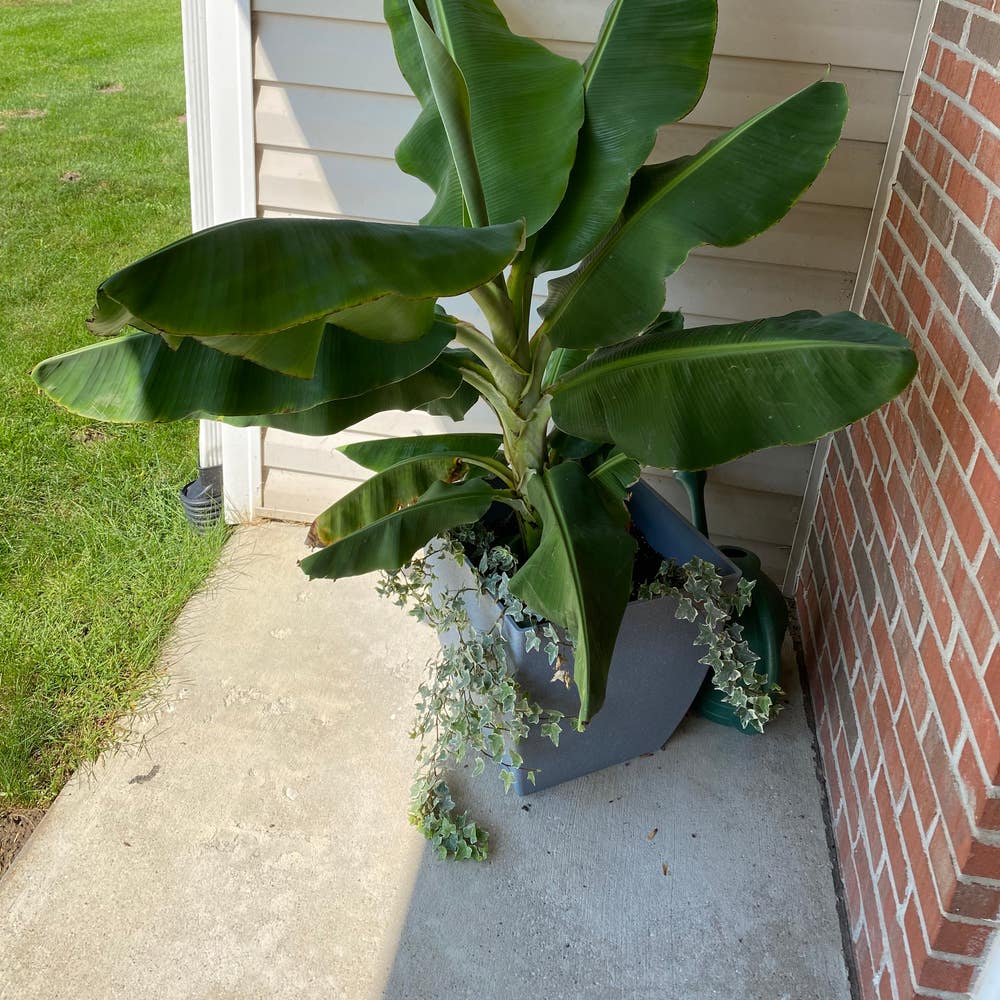
Abyssinian Banana Root Rot Solutions
Ensete ventricosum
By the Greg Editorial Team
Jun 18, 2024•4 min read
This article was created with the help of AI so we can cover more plants for you. May contain errors. See one? Report it here.
Rescue your Abyssinian Banana 🍌 from root rot's grip with expert tips for revival and prevention!
- Yellow leaves and funky smells signal potential root rot.
- Trim and repot with fresh soil after confirming root rot.
- Regular root checks and clean pots help prevent future rot.
Spotting the Trouble: Identifying Root Rot in Your Abyssinian Banana
🚨 Telltale Signs of Root Rot
Yellowing leaves on your Abyssinian Banana might scream "trouble," but it's the root of the issue that needs your attention. If your plant's leaves are more yellow than a school bus, it's time to play detective.
Funky smells from the pot are not just your leftovers gone bad. That's the stench of decay, and it's a distress flare from your plant's roots.
🔍 Confirming the Diagnosis
To confirm root rot, you'll need to get your hands dirty. Gently unearth the roots and look for the bad apples—mushy, dark roots are the culprits.
When you find roots that are more brown than a chocolate bar, it's time to call it: those roots are goners. But don't despair, some roots can still be the heroes of this story if they're firm and white.

First Aid for Infected Plants: Immediate Actions to Take
🌱 Cutting to the Chase: Trimming the Damage
When root rot rears its ugly head in your Abyssinian Banana plant, it's time to play plant surgeon. Here's how to stop the rot and start the healing:
- Unpot with care, shaking off the dirt to get a clear view of the roots.
- Rinse the roots gently to wash away any remaining soil and expose the damaged areas.
- Sterilize your scissors or shears with rubbing alcohol—no compromises on cleanliness.
- Snip away the rotted roots. If it's mushy or discolored, it's got to go.
- Balance the top by trimming the foliage to reduce stress on the plant.
🏡 Rehoming Your Plant
After the operation, your plant needs a fresh start:
- Sterilize the pot or grab a new one to avoid any lingering pathogens.
- Fresh soil is a must—choose a well-draining mix to prevent a repeat performance.
- Repot with care, ensuring the remaining roots have room to breathe and grow.
- Water sparingly. Your plant is vulnerable and doesn't need to drown in your love.
Remember, the goal is to give your plant a new lease on life, not to send it back to the ICU.

Turning the Tide: Long-Term Root Rot Prevention Strategies
🌊 Mastering the Art of Watering
Watering your Abyssinian Banana plant isn't a matter of sticking to a rigid schedule—it's about adaptation and observation. Tailor your watering routine to the plant's needs, which can vary with changes in the environment, such as temperature and humidity.
🖐️ The "Finger Test" and Beyond
- Dip your finger into the soil up to the second knuckle; if it feels dry, it's time to water.
- Consider investing in a soil moisture monitor for a more high-tech approach.
🏡 The Right Home: Choosing Soil and Pots
Selecting the correct soil and pot is like choosing a good pair of shoes for a marathon—they need to fit well and handle moisture without falling apart.
🌱 Soil Mixtures for Success
- Mix in perlite or coarse sand to ensure your soil is as well-draining as a colander.
- Organic matter is your friend, but don't let it turn your soil into an impenetrable fortress.
🍯 Pots that Do More Than Just Sit There
- Size matters. A pot too large invites excess moisture; too small, and your plant's roots will feel cramped.
- Ensure your pot has drainage holes—they're as essential as an exit in a fire drill.

Keeping the Fungus at Bay: Ongoing Care and Vigilance
🌱 Routine Root Check-ups
Root health is critical for your Abyssinian Banana plant. Regular inspections are your best defense against root rot. Gently probe the soil every few weeks to assess the roots' condition. Firm and white? All good. Soft and brown? Sound the alarms and take action.
🧼 Cleanliness is Key
Keep the plant's environment spotless. This means wiping down leaves, clearing debris, and ensuring the pot is clean. It's like maintaining a sterile zone to deter fungal invaders. Preventive fungicide applications can be a plant's knight in shining armor, but use them judiciously. Apply according to the product's instructions, typically after pruning or when environmental conditions favor fungal growth.
⚠️ Safety First
This content is for general information and may contain errors, omissions, or outdated details. It is not medical, veterinary advice, or an endorsement of therapeutic claims.
Always consult a qualified healthcare professional before using any plant as food, medicine, or supplement.
Never eat any plant (or feed one to pets) without confirming its identity with at least two trusted sources.
If you suspect poisoning, call Poison Control (800) 222-1222, the Pet Poison Helpline (800) 213-6680, or your local emergency service immediately.
Spotted an error? Please report it here.
Banish root rot 🚫 in your Abyssinian Banana by cutting back the decay, and let Greg's moisture monitoring and community advice keep your plant's roots robust and thriving.