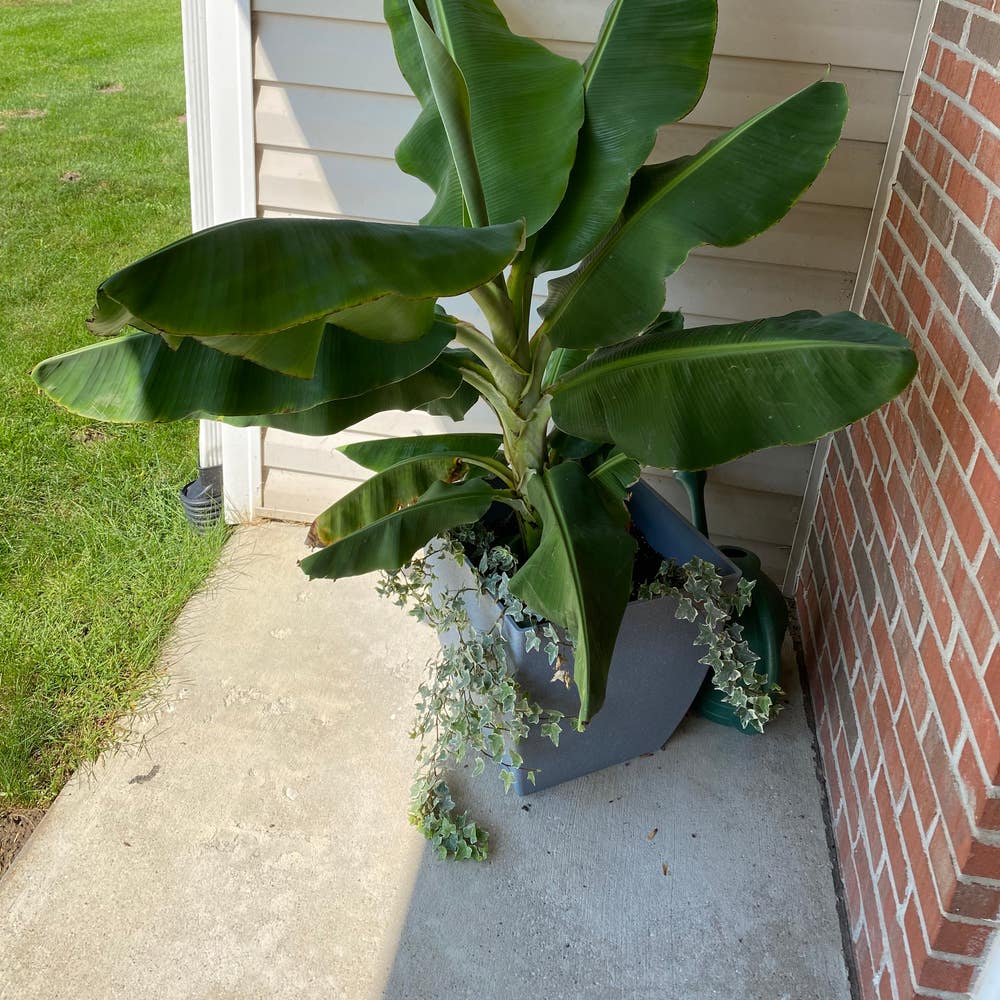
How Should Abyssinian Banana Be Cut Back?
Ensete ventricosum
By the Greg Editorial Team
Jun 18, 2024•3 min read
This article was created with the help of AI so we can cover more plants for you. May contain errors. See one? Report it here.
Trim your Abyssinian Banana 🍌 at the right time with the right tools for lush growth and stunning aesthetics!
- Late winter/early spring is the best time to prune for plant health.
- Use sharp, clean tools to prevent disease and ensure quick healing.
- Prune for health and beauty, achieving symmetry and managing new growth.
Timing Your Trims: When to Prune
⏰ Seasonal Smarts: Picking the Perfect Time
Pruning your Abyssinian Banana isn't about hacking away at will; timing is crucial. The ideal period is during the plant's dormancy, typically late winter or early spring. This is when the plant is least active, allowing it to focus energy on healing post-prune, rather than on growth or flowering.
🌦️ Weather Watch: Avoiding Frosty Foes
Keep an eye on the weather forecast. Pruning should be done on a mild, dry day to prevent frost damage to fresh cuts. Avoid pruning when frost is predicted, as the new growth may not withstand the cold. Sharp, clean tools are non-negotiable for precise, clean cuts that heal quickly.

Pruning Techniques: Making the Cut
✂️ Snip the Snags: Removing Dead or Damaged Leaves
Dead or damaged leaves on your Abyssinian Banana are not just unsightly; they're an open invitation to pests and diseases. Get in there with your clean, sharp scissors and give those unhealthy leaves a quick snip. Make sure to cut close to the stem, but be careful not to damage it. This is about being a plant surgeon, precise and purposeful.
🌿 Thinning for Thriving: Clearing Out Crowds
Overcrowding is a no-go if you want your Abyssinian Banana to flourish. Look for areas where the leaves are dense and blocking airflow or light. Use your trusty shears to thin these areas out, allowing your plant to breathe and soak up the sun. It's like social distancing for plants; everyone needs their space.
🛠️ Tool Talk: Using the Right Equipment
The right tools make all the difference. Sharp, clean shears or pruners are non-negotiable for making those clean cuts. Dull tools can crush plant tissues, leading to more harm than good. And remember, after each cut, wipe down your tools to prevent spreading any diseases. It's like maintaining good hygiene; it keeps everyone healthy.

Cultivating Curb Appeal: Pruning for Aesthetics
🌿 Sculpting the Scene: Shaping Your Plant
Pruning isn't just about plant health—it's about style. To give your Abyssinian Banana that magazine-cover look, start by assessing its natural shape. Trim selectively, aiming to enhance rather than overhaul. Think of it as a subtle makeover, not a radical transformation.
⚖️ Balancing Act: Achieving Plant Symmetry
Symmetry isn't just for faces; plants crave it too. Look at your Abyssinian Banana from different angles—does one side seem to hog the limelight? If so, it's time to even things out. Prune the show-offs and let the underperformers catch up. Remember, it's easier to cut more later than to fix an overzealous snip.

Rejuvenation and Offshoot Management
🌱 The Rebirth Routine: Rejuvenation Pruning Basics
Rejuvenation pruning is like hitting the refresh button on your Abyssinian Banana. Timing is key: tackle this task in early spring when the plant is raring to grow. Start bold, cutting back the plant to a manageable size, but don't go overboard—leave enough so it can bounce back. This encourages a flush of new growth and can help maintain plant vigor.
🌿 Pup Patrol: Handling New Growth and Offshoots
Abyssinian Banana pups are your ticket to plant multiplication. Once they reach a decent size and have their own roots, it's time to separate. Use a sharp knife to detach the pups from the mother plant, ensuring each has a piece of root. Replant them in a suitable growing medium and voilà, you've got new plants on your hands. Remember, it's not just about increasing numbers; it's about giving each plant its own space to thrive.
⚠️ Safety First
This content is for general information and may contain errors, omissions, or outdated details. It is not medical, veterinary advice, or an endorsement of therapeutic claims.
Always consult a qualified healthcare professional before using any plant as food, medicine, or supplement.
Never eat any plant (or feed one to pets) without confirming its identity with at least two trusted sources.
If you suspect poisoning, call Poison Control (800) 222-1222, the Pet Poison Helpline (800) 213-6680, or your local emergency service immediately.
Spotted an error? Please report it here.
Trim your Abyssinian Banana to perfection 🌿 with Greg's personalized reminders, ensuring you prune at the right time and with the right technique for a thriving plant.