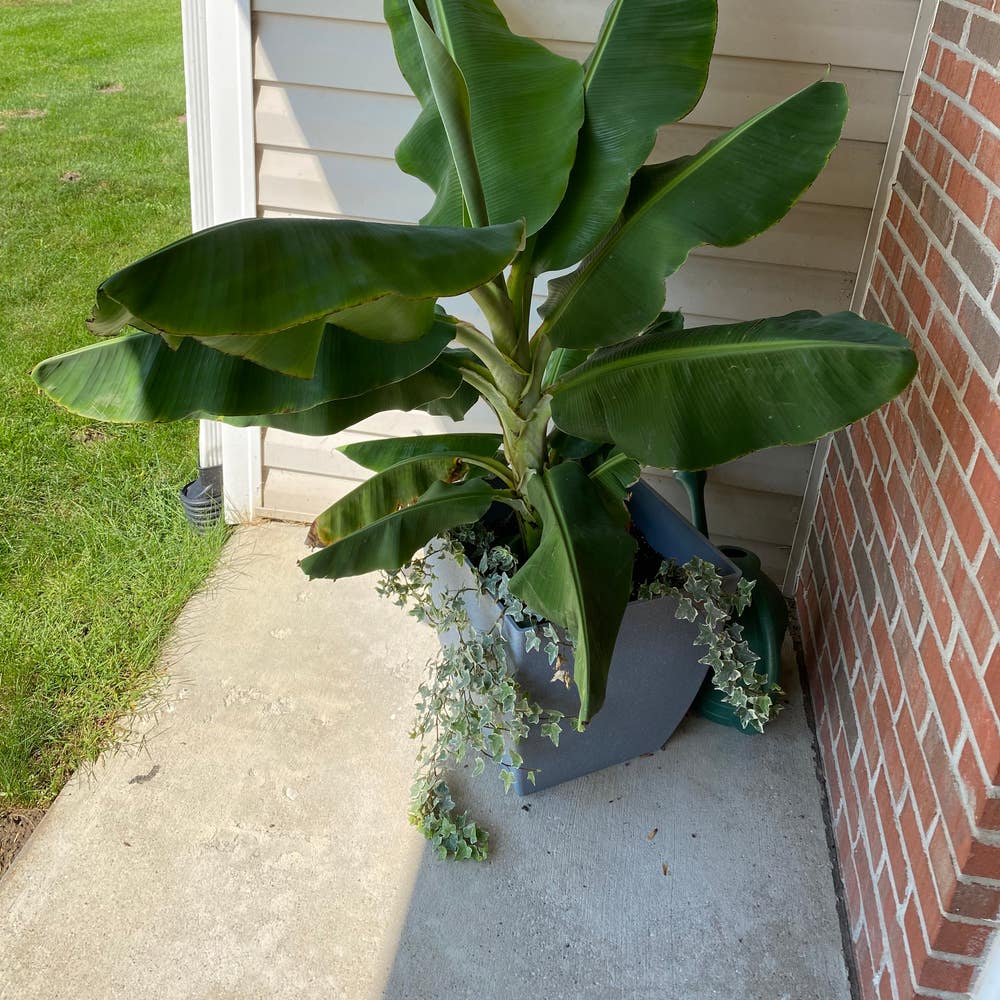
6 Tips for Selecting the Best Pot for Abyssinian Banana 🍌
Ensete ventricosum
By the Greg Editorial Team
Oct 09, 2024•4 min read
This article was created with the help of AI so we can cover more plants for you. May contain errors. See one? Report it here.
Master pot sizes and materials 🌱 to ensure your Abyssinian Banana thrives at every growth stage!
- 🌱 Start with a 6-8 inch pot for young Abyssinian Banana seedlings.
- 🏺 Choose pot materials wisely; clay for outdoors, plastic for easy indoor mobility.
- 🚰 Ensure proper drainage with 4-6 holes to prevent root rot.
Pot Sizes for Different Growth Stages
🌱 Recommended Sizes for Young Plants
When starting your Abyssinian Banana from seedlings, choose a pot that is 6-8 inches in diameter. This size allows young plants to establish roots without overwhelming them.
Gradually increasing the pot size as your plant grows is crucial. This approach helps avoid transplant shock, ensuring a smoother transition through its growth stages.
🌳 Recommended Sizes for Mature Plants
As your Abyssinian Banana matures, you'll need a pot that measures 14-20 inches in diameter. This larger size accommodates the expansive root system and supports the plant's impressive height.
Stability is key for mature plants, especially with their large leaves. A well-sized pot prevents tipping and provides a solid foundation for your banana's lush growth.
With the right pot sizes in mind, you're well on your way to nurturing a thriving Abyssinian Banana. Next, let’s explore the ideal pot materials that will complement your plant’s needs.
Ideal Pot Materials
Benefits of Clay Pots 🌱
Clay pots are a fantastic choice for your Abyssinian Banana. Their breathability promotes essential air circulation to the roots, helping them thrive.
Additionally, clay pots excel in moisture regulation. They absorb excess water, which helps prevent overwatering—a common pitfall for many plant enthusiasts.
Benefits of Plastic Pots ♻️
On the other hand, plastic pots offer unique advantages. They are lightweight and easy to move, making them ideal for indoor settings where you might want to rearrange your plants.
Moreover, plastic pots are cost-effective and come in various sizes. This versatility allows you to find the perfect fit for your growing Abyssinian Banana.
Comparison of Materials ⚖️
When comparing clay and plastic, each has its pros and cons. Clay pots provide excellent breathability but can be heavy and breakable, while plastic pots are lightweight but may not offer the same level of air circulation.
Consider your growing environment as well. For outdoor settings, clay might be more suitable due to its durability, while plastic could be perfect for indoor spaces where mobility is key.
Choosing the right pot material is crucial for the health of your Abyssinian Banana. By weighing these factors, you can create the ideal environment for your plant to flourish.
Drainage Considerations
🌊 Importance of Drainage Holes
Proper drainage is crucial for the health of your Abyssinian Banana. Without adequate drainage holes, water can accumulate, leading to waterlogging and root rot.
Aim for at least 4-6 drainage holes in your pot. This ensures excess water can escape, keeping your plant's roots happy and healthy.
🚰 How to Ensure Proper Drainage
Using a well-draining potting mix is essential for your Abyssinian Banana. Look for mixes specifically designed for tropical plants to promote optimal growth.
Additionally, consider adding a layer of gravel or perlite at the bottom of the pot. This extra step enhances drainage and prevents soil from clogging the holes.
With these drainage considerations in mind, your Abyssinian Banana will thrive, setting the stage for healthy growth. Next, let’s explore when and how to repot your plant for continued success.
Repotting Guide
Signs That It’s Time to Repot 🌱
Recognizing when to repot your Abyssinian Banana is crucial for its health. If you notice roots growing out of the drainage holes, it's a clear sign that your plant needs more space.
Another indicator is stunted growth, even with proper care. If your plant seems to have plateaued, it might be time for a new pot.
Step-by-Step Guide to Repotting 🛠️
Repotting can seem daunting, but it's manageable with a few simple steps:
- Choose a new pot that is 2-4 inches larger in diameter than the current one.
- Carefully remove the plant from its current pot, loosening the root ball gently.
- Place the plant in the new pot and fill it with fresh potting mix, ensuring the roots are well covered.
- Water thoroughly to settle the soil and eliminate air pockets.
Choosing the Right Pot When Repotting 🪴
When selecting a new pot, consider the growth stage of your Abyssinian Banana. Ensure the pot size accommodates future growth to avoid frequent repotting.
Also, evaluate pot materials based on your plant's location and environmental conditions. The right choice can make a significant difference in your plant's overall health and stability.
With these guidelines, your Abyssinian Banana will thrive in its new home, setting the stage for lush growth and vibrant leaves. Next, let's explore the ideal pot materials to enhance your plant's environment.
⚠️ Safety First
This content is for general information and may contain errors, omissions, or outdated details. It is not medical, veterinary advice, or an endorsement of therapeutic claims.
Always consult a qualified healthcare professional before using any plant as food, medicine, or supplement.
Never eat any plant (or feed one to pets) without confirming its identity with at least two trusted sources.
If you suspect poisoning, call Poison Control (800) 222-1222, the Pet Poison Helpline (800) 213-6680, or your local emergency service immediately.
Spotted an error? Please report it here.
Choose the perfect pot for your Abyssinian Banana 🌿 with Greg's tailored tips and reminders that keep your plant thriving in its ideal environment!