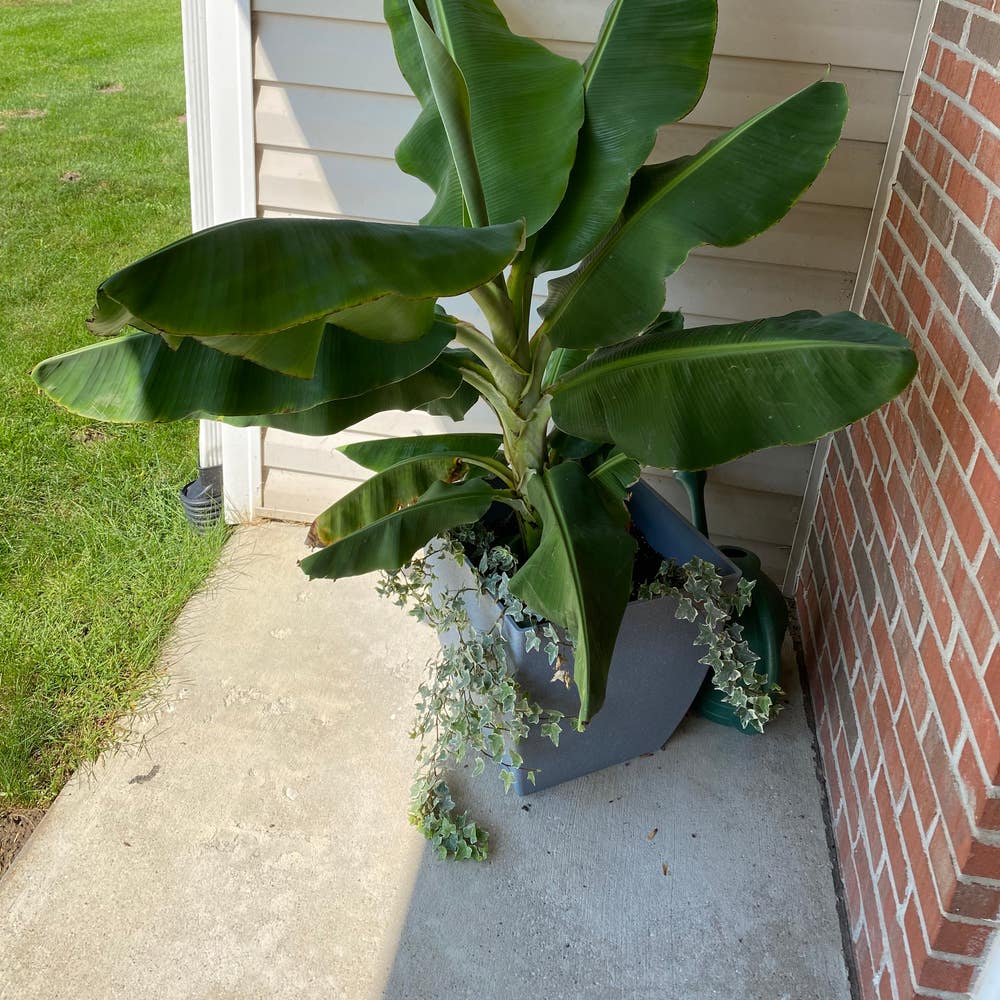
How Big a Abyssinian Banana Gets 🍌
Ensete ventricosum
By the Greg Editorial Team
Oct 09, 2024•5 min read
This article was created with the help of AI so we can cover more plants for you. May contain errors. See one? Report it here.
Elevate your garden's beauty with the majestic Abyssinian banana, reaching heights of up to 30 feet! 🌿
- 🌱 Abyssinian bananas can reach 30 feet tall in ideal conditions, typically 10-20 feet.
- ☀️ Optimal growth requires 6-8 hours of sunlight and nutrient-rich, well-draining soil.
- 🌧️ Consistent moisture is vital; drought can stunt growth and reduce size.
Mature Height and Spread
Mature Height 🌱
The Abyssinian banana can reach impressive heights, thriving up to 30 feet in ideal conditions. However, in varied environments, you can expect an average height between 10 to 20 feet, making it a versatile choice for many gardens.
Mature Spread 🌿
When it comes to spread, these plants typically extend 10 to 15 feet. Factors like planting density and environmental conditions play a significant role in determining how wide your banana plant will grow.
Understanding these dimensions helps you plan your garden layout effectively, ensuring that your Abyssinian banana has ample space to flourish.
As you consider the growth potential, it's essential to explore how growth rate and time to maturity can further influence your gardening experience.
Growth Rate and Time to Maturity
🌱 Growth Rate
The Abyssinian banana typically grows at an impressive rate of 3-5 feet per year when conditions are just right. However, several factors can influence this growth, including soil quality, water availability, and sunlight exposure.
⚙️ Factors Affecting Growth Rate
- Soil Quality: Nutrient-rich, well-draining soil is essential for robust growth.
- Water Availability: Consistent moisture is crucial; too little can stunt growth.
- Sunlight Exposure: The plant thrives with 6-8 hours of direct sunlight daily.
⏳ Time to Maturity
Reaching full size generally takes about 3-5 years. However, this timeframe can vary significantly based on environmental conditions.
🌍 Variability Based on Conditions
In tropical climates, the growth can be faster, while cooler regions may slow down the process. Understanding these nuances can help you better plan for your Abyssinian banana's growth journey.
As you consider the growth rate and time to maturity, remember that nurturing your plant with the right conditions will yield the best results. Next, we’ll explore how size can vary based on different environmental factors.
Size Variability Based on Conditions
🌤️ Climate Impact on Size
The climate plays a crucial role in determining the size of an Abyssinian banana plant. Tropical climates offer significant growth potential compared to temperate zones, with the ideal temperature range being between 70°F to 90°F (21°C to 32°C).
🌱 Soil Quality and Growth
Soil quality is another key factor influencing size. Abyssinian bananas thrive in well-draining, nutrient-rich soil, ideally with a pH level between 6.0 and 7.0, which is slightly acidic to neutral.
💧 Water Requirements and Size
Consistent moisture is essential for healthy growth. Regular watering prevents stunted growth, while drought conditions can lead to reduced height and smaller leaves.
☀️ Sunlight Exposure Effects
Sunlight exposure is vital for optimal growth. Abyssinian bananas require 6-8 hours of direct sunlight daily; inadequate sunlight can slow growth and result in smaller plant dimensions.
Understanding these factors can help you create the perfect environment for your Abyssinian banana, ensuring it reaches its full potential. Next, we’ll explore the fascinating world of dwarf and giant varieties of this remarkable plant.
Dwarf and Giant Varieties
Dwarf Varieties 🌱
Dwarf Abyssinian bananas typically reach heights of 5-10 feet. These compact plants are perfect for smaller gardens or even container growth, making them a versatile choice for urban settings.
Giant Varieties 🌳
On the other end of the spectrum, giant varieties can exceed 30 feet in height. They are ideal for spacious landscapes, serving as stunning focal points that can elevate the overall aesthetic of large gardens.
Dwarf and giant varieties offer unique options for gardeners, catering to different space requirements and design preferences. Whether you're looking to maximize a small area or create a dramatic statement, there's an Abyssinian banana variety that fits your vision.
Next, let’s explore how to control the size of these magnificent plants through effective pruning techniques and container growth strategies.
Controlling Size
✂️ Pruning Techniques
Pruning is essential for managing the height of your Abyssinian banana and promoting a bushier growth habit. It’s a straightforward process that can significantly enhance the plant's appearance and health.
- Remove dead or damaged leaves to keep the plant looking tidy and to prevent disease.
- Trim back excess height during the growing season to maintain a manageable size.
- Timing is key: The best time to prune is in early spring, just before new growth begins.
🪴 Container Growth for Size Control
Growing your Abyssinian banana in a container is an effective way to limit its size. This method restricts root growth, which in turn keeps the plant more compact.
- Container size matters: Aim for a pot that holds at least 15-20 gallons, especially for dwarf varieties. This ensures the plant has enough space to thrive without becoming too large.
🌱 Fertilization Impact on Growth
Fertilization plays a crucial role in the overall health and size of your banana plant. A balanced fertilizer will provide the necessary nutrients for robust growth.
- Nutrient requirements: Regular feeding supports healthy development and size control.
- Timing of fertilization: Apply fertilizer every 4-6 weeks during the growing season to promote optimal growth.
By implementing these techniques, you can effectively manage the size of your Abyssinian banana, ensuring it fits beautifully into your garden or landscape. Next, let’s explore the fascinating world of dwarf and giant varieties, which offer unique options for different spaces.
⚠️ Safety First
This content is for general information and may contain errors, omissions, or outdated details. It is not medical, veterinary advice, or an endorsement of therapeutic claims.
Always consult a qualified healthcare professional before using any plant as food, medicine, or supplement.
Never eat any plant (or feed one to pets) without confirming its identity with at least two trusted sources.
If you suspect poisoning, call Poison Control (800) 222-1222, the Pet Poison Helpline (800) 213-6680, or your local emergency service immediately.
Spotted an error? Please report it here.
Grow your Abyssinian banana tall and lush 🌿 with Greg's tailored watering and fertilization reminders, ensuring it thrives in your garden!