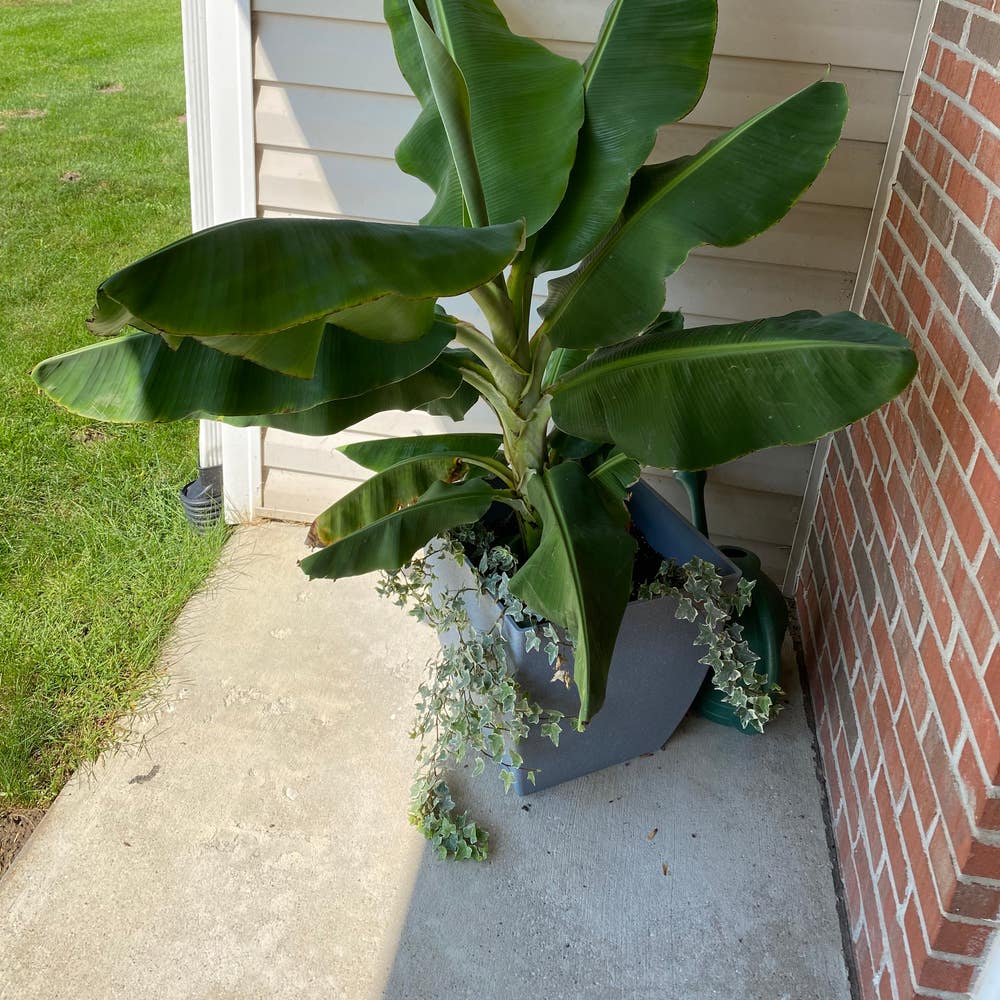
🍂 Why Is My Abyssinian Banana Dropping Leaves?
Ensete ventricosum
By the Greg Editorial Team
Jun 18, 2024•4 min read
This article was created with the help of AI so we can cover more plants for you. May contain errors. See one? Report it here.
Solve the leaf-drop puzzle 🍂 of your Abyssinian Banana and keep its foliage thriving with expert tips!
- Yellowing and brown spots signal plant distress; root checks reveal water issues.
- Consistent light, temperature, and nutrients are key to preventing leaf drop.
- Combat pests and diseases with regular inspections and treatments like neem oil.
Spotting the Trouble Signs
🚨 Visual Symptoms of Distress
Yellowing leaves often wave the white flag of surrender, signaling a myriad of potential issues. Brown edges and spots on leaves are like the plant's version of Morse code, indicating distress that needs decoding.
🌱 Root Check-Up
Inspecting the roots is akin to a plant CT scan. Gently unearth the roots and look for soggy or brittle textures, which can point to overwatering or under-watering, respectively.

The Usual Suspects: Common Causes of Leaf Dropping
💧 Too Much or Too Little Water
Finding the watering sweet spot is crucial for the Abyssinian Banana. Overwatering can turn the soil into a swamp, suffocating roots and leading to leaf drop. Underwatering, on the other hand, leaves the plant parched and its leaves crispy. Aim for moist but not soggy soil, and let the top inch dry out before reaching for the watering can again.
🌞 Light and Temperature Swings
Stable conditions are your plant's best friend. Abyssinian Bananas enjoy bright, indirect light—too much direct sun can cook the leaves, while too little leaves them reaching for the light. Temperature consistency is key; avoid placing your plant near drafty windows or heating vents. Sudden changes are like unexpected plot twists that your plant definitely didn't sign up for.
🍽️ Nutrient Shortfalls
Nutrients are the unsung heroes in your plant's life story. Yellow leaves might be shouting "I need nitrogen!" while brown spots whisper tales of potassium deficiency. A balanced fertilizer can be the cape that turns your regular plant parent into a superhero. But remember, less is more—over-fertilizing can lead to nutrient burn, and nobody wants that drama.

Battling Pests and Diseases
🐛 Common Culprits
Pests are the uninvited guests of the plant world, and the Abyssinian Banana is no exception. Aphids and spider mites are the main party crashers, draining the plant's sap and leaving behind a mess of drooping, yellowing leaves. Look out for sticky residue or fine webbing as telltale signs of these pests. To give them the boot, a spritz of neem oil or insecticidal soap usually does the trick. For those stubborn gatecrashers, a cotton swab dipped in rubbing alcohol can wipe them out.
🍄 Fungal Foes
Fungal diseases are like the stealthy ninjas, attacking with unsightly brown or black spots that can lead to leaf drop. The Abyssinian Banana isn't immune to these attacks, which often signal an overwatering problem or high humidity. To combat these fungal foes, keep the leaves dry and improve air circulation. If you spot an infection, prune the affected areas immediately to prevent further damage. For those looking to avoid chemical warfare, fungicides can be a last resort, but remember, the best offense is a good defense—keep conditions unfavorable for these fungal invaders.

Leaf Saving Strategies: Remedies and Prevention
💧 Water Wisdom
Consistency is your plant's best friend when it comes to watering. Abyssinian Banana plants detest soggy soil, so ensure the top inch is dry before offering another drink. Overwatering invites root rot, while underwatering stresses the plant, both leading to leaf drop. Strike a balance, and your plant will reward you with robust health.
☀️ Light and Temperature Harmony
Abyssinian Bananas crave bright light but not the scorching midday sun. Position it in a spot with bright, indirect sunlight, and watch for signs of too much love from the sun, like browning leaves. Keep the temperature steady; these plants aren't fans of the shivers or a fever.
🍽️ Nutrient Know-How
Yellowing leaves can scream nutrient deficiency. A balanced, water-soluble fertilizer is like a multivitamin for your plant. Apply it during the growing season to prevent deficiencies that lead to leaf drop. Remember, more isn't always better—stick to the recommended dosage.
🛡️ Pest and Disease Defense Tactics
Regular leaf inspections are your shield against pest invasions. Aphids, mealybugs, and spider mites are just a few of the uninvited guests that might crash the party. Insecticidal soap or neem oil can be your weapons of choice. Keep the area weed-free to avoid giving pests a backstage pass to your plant.
⚠️ Safety First
This content is for general information and may contain errors, omissions, or outdated details. It is not medical, veterinary advice, or an endorsement of therapeutic claims.
Always consult a qualified healthcare professional before using any plant as food, medicine, or supplement.
Never eat any plant (or feed one to pets) without confirming its identity with at least two trusted sources.
If you suspect poisoning, call Poison Control (800) 222-1222, the Pet Poison Helpline (800) 213-6680, or your local emergency service immediately.
Spotted an error? Please report it here.
Keep your Abyssinian Banana thriving 🌿 with Greg's custom care plan that balances watering, light, and temperature, preventing those pesky leaf drops.