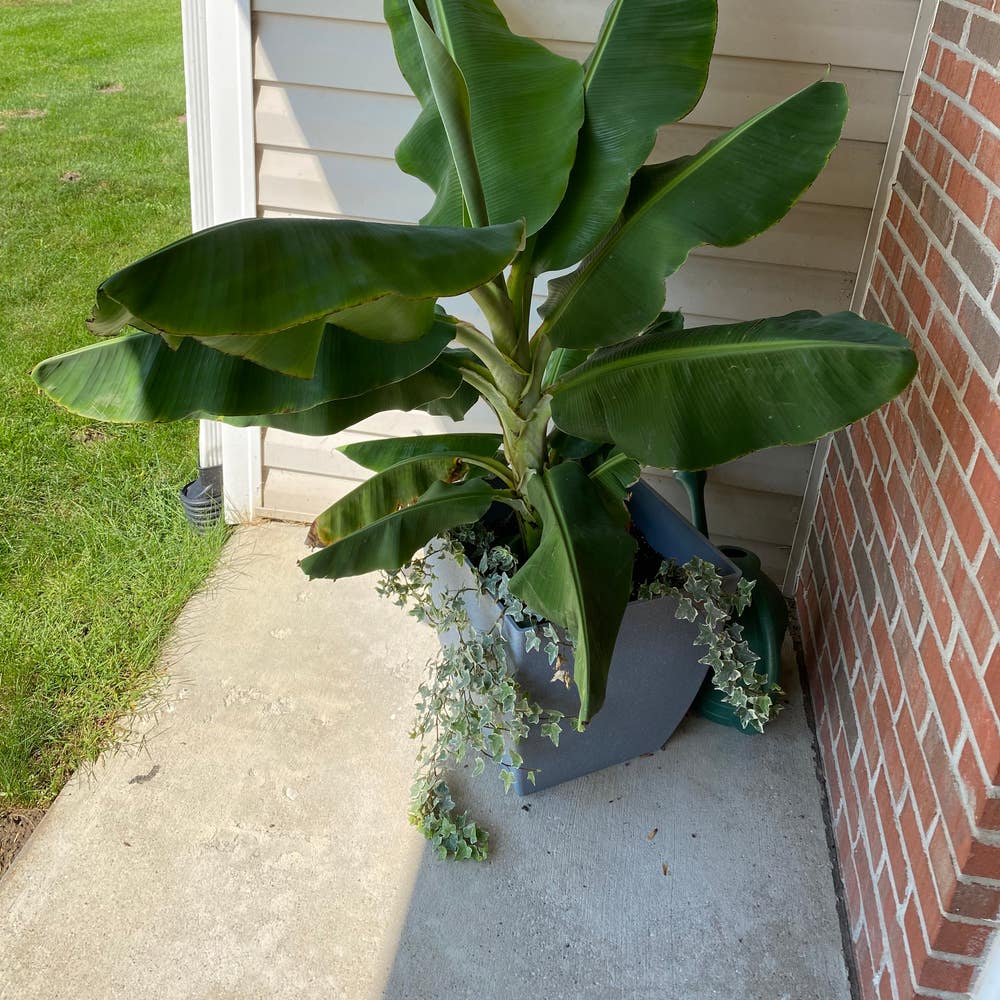
🍌 Does My Abyssinian Banana Need Direct Sunlight?
Ensete ventricosum
By the Greg Editorial Team
Jun 18, 2024•4 min read
This article was created with the help of AI so we can cover more plants for you. May contain errors. See one? Report it here.
Learn to hit the sunlight bullseye 🎯 for a lush, happy Abyssinian Banana! 🌿
- Bright, not harsh light is ideal for Abyssinian Bananas.
- 🍃 Leaf condition reveals sunlight suitability; brown spots mean too much sun.
- Rotate and adjust plant seasonally for even growth and optimal light.
Sunlight Simplified: What Does Your Abyssinian Banana Crave?
🌞 Defining Sunlight for the Green Thumbs and Little Ones
Direct sunlight is the full monty—unfiltered, unobstructed, and unforgiving. It's the kind of light that casts sharp shadows and fuels sunbathing sessions. Indirect sunlight, on the other hand, is like the light's chill cousin, mellow and diffused, often bouncing off surfaces before it whispers to your plants.
🍌 The Abyssinian Banana's Sunlight Sweet Spot
To bask or not to bask? That is the question for your Abyssinian Banana. This tropical maverick enjoys a bright spot but doesn't want to play chicken with the sun. It's all about finding that sweet spot where the light is plentiful but not harsh enough to cause a leafy meltdown.
The leaves are your plant's mood ring. If they're reaching for the sky, they're likely basking in the glow of just-right light. But if they start looking like crispy critters, it's time to rethink your plant's sunbathing habits. Leaf language is more than just greenery; it's a tell-tale sign of your plant's comfort level with its sunny companion.

When the Sun Strikes: Positioning Your Plant Perfectly
🌞 Window Whys and Wherefores
South-facing windows are the VIP lounges for your Abyssinian Banana, dishing out bright sun all day. But don't let your plant fry; if it's more of a medium-light fan, scoot it to the side or a few feet back from the window. East-facing windows are the gentle souls, offering a soft morning glow. West-facing ones? They're the afternoon drama queens, intense and direct. North-facing windows are the chill zones, with a consistent, modest light buffet.
🌍 Hemisphere Highlights
Your hemisphere is the stage director for your plant's sunlight scene. In the Northern Hemisphere, south windows are the main event for sun exposure. Flip the script if you're down under in the Southern Hemisphere; north windows take the spotlight. Seasons change the sun's angle, so keep your plant on its toes—rotate and reposition as needed to avoid a sunburnt castoff or a light-starved wallflower.

Signs to Watch For: Is Your Abyssinian Banana Sun-Kissed or Sunburned?
😎 Happy Glow or No-No
Dry, brown spots on your Abyssinian Banana's leaves are the plant's version of crying out for help. These unsightly blemishes, along with scorched tips, are your cue that it's been sunbathing a tad too long. Leaves may also appear pale, a stark contrast to the vibrant green you're used to. It's like the plant's own way of saying, "I've had enough!"
🆘 SOS: Saving Overexposed Stems and Leaves
Caught your plant turning crispy? Act fast. Move it to a shadier spot pronto. Think of it as a plant ICU where it can recover from its sunburn. If the damage is severe, you might need to trim off the worst of the burn. Remember, it's not just about slapping on some plant aloe; it's about adjusting the light levels to prevent a repeat performance.

Sunlight Strategy: Keeping Your Abyssinian Banana in the Goldilocks Zone
🌿 Creative Canopy: Filtering the Fierce Rays
Your Abyssinian Banana doesn't need to pull a full Icarus and fly too close to the sun. Sheer curtains are your go-to for a DIY sunlight softener. They're like the plant equivalent of a beach umbrella—essential for those scorching summer days. If you're feeling crafty, you can even rig up a translucent shower curtain for a makeshift sun shield. Just remember, you're going for a dappled sunlight effect, not a full-on solar eclipse.
🎨 The Art of Adjustment
When it comes to sunlight, think of your plant as a finicky Goldilocks: the light needs to be just right. If your leafy friend starts throwing shade—literally, with droopy, sad leaves—it's time to scoot it away from that sun-hogging window. Rotate your plant regularly to ensure even growth, and be ready to shuffle it around as the seasons change. Morning sun is your best bet for a gentle wake-up call. And if you catch your plant in a sunbath it didn't sign up for, move it to a cooler spot faster than you'd say "aloe there" to a sunburn.
⚠️ Safety First
This content is for general information and may contain errors, omissions, or outdated details. It is not medical, veterinary advice, or an endorsement of therapeutic claims.
Always consult a qualified healthcare professional before using any plant as food, medicine, or supplement.
Never eat any plant (or feed one to pets) without confirming its identity with at least two trusted sources.
If you suspect poisoning, call Poison Control (800) 222-1222, the Pet Poison Helpline (800) 213-6680, or your local emergency service immediately.
Spotted an error? Please report it here.
Ensure your Abyssinian Banana flourishes in just the right light with Greg's location-based 📍 reminders to adjust for the perfect sun exposure, no matter the season.