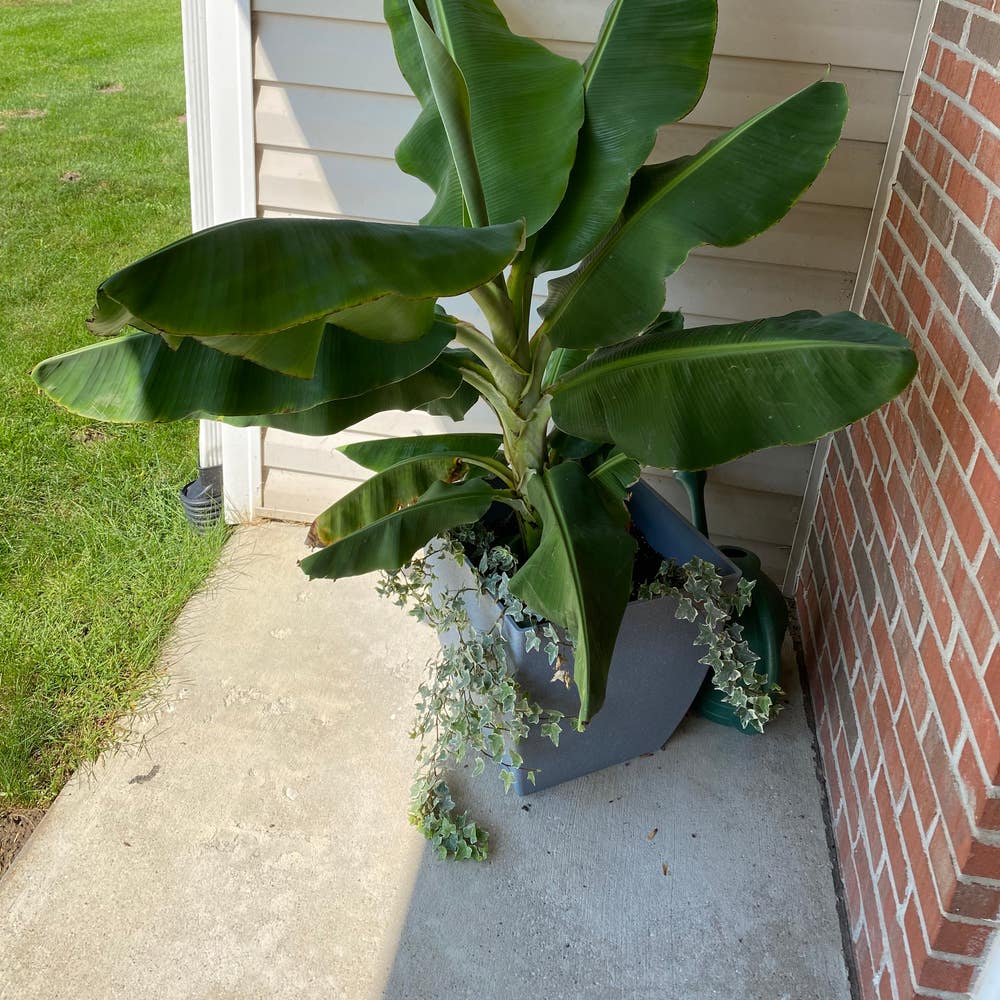
Propagating Abyssinian Banana: The Ultimate Guide
Ensete ventricosum
By the Greg Editorial Team
Jun 18, 2024•5 min read
This article was created with the help of AI so we can cover more plants for you. May contain errors. See one? Report it here.
Propagate your own lush 🌿 Abyssinian Banana oasis with this fail-proof guide.
- Division or offsets: Choose based on plant health and size.
- Warm, humid, well-lit: Ideal conditions for propagation success.
- Monitor roots, avoid overwatering: Key to healthy growth and transplanting.
Kickstarting Your Propagation Journey
🌱 Choosing Your Method: Division or Offsets
When it comes to propagating your Abyssinian Banana, you've got two solid options: division or offsets. Division is like a plant subdivision, chopping up the mother plant into smaller, self-sufficient units. It's best for mature plants that look like they're ready for some personal space. Offsets, on the other hand, are the plant's own attempts at cloning—little copies sprouting from the base. They're your go-to when you spot these mini-me's reaching a decent size.
🛠 Preparing for Division
Before you play plant surgeon, get your rhizomes ready for the big split. Look for healthy sections with a good amount of roots and shoots. It's like picking teammates for dodgeball—you want the ones that won't let you down. Use clean, sharp tools to separate the rhizomes, because dirty or dull tools are a one-way ticket to infection city.
🌿 Nurturing New Offsets
Spotting a viable offset is like finding a gold nugget in the riverbed—it's a rush. Choose the ones that are big enough to stand on their own, usually a few inches across. Once separated, treat them like plant royalty. Nestle them in well-draining soil and water with a gentle hand. Overwatering is the offset's nemesis, so keep the soil moist but not swampy. Watch them grow with the pride of a plant parent watching their seedlings graduate.

Creating the Perfect Propagation Environment
🌡️ Setting the Stage
To kick off, temperature and humidity are the VIPs in the propagation party for Abyssinian Bananas. Aim for a warm, humid embrace—think 65-75°F and humidity levels north of 85%. But don't let it turn into a sauna; that's just asking for mold to join the bash.
🌱 Soil and Watering Wisdom
Choosing the right soil is like picking the perfect mattress—well-draining is the way to go. Mix in some perlite or sand to keep it aerated. When it comes to watering, think of it as a suspense thriller—too much and you drown the suspense, too little and the audience is parched. Keep the soil moist, but not waterlogged, like a wrung-out sponge.

The Root of the Matter: Potting and Rooting
🌱 Potting Like a Pro
To pot your Abyssinian Banana division or offset, you'll need a container with drainage holes, fresh potting soil, and a watering can. First, fill the pot partially with soil. Place the plant in the center, ensuring the roots are spread out and not circling the pot. Add soil around the roots, gently firming it down without compacting it. Water thoroughly to settle the soil and eliminate air pockets. Keep the soil moist but not soggy, as waterlogged conditions can lead to root rot.
🌱 Watching Roots Grow
Monitoring root growth is crucial for your plant's success. After potting, check the soil moisture regularly with your finger or a moisture meter. Roots should feel firm, not squishy. If you're unsure, gently ease the plant from the pot after a few weeks to check for new root growth. Remember, patience is key; roots take time to develop. Bright, indirect light will encourage rooting without scorching the leaves. Avoid fertilizing immediately to give the roots time to establish.

Transition Time: From Propagation to Permanent Home
🌱 Knowing When to Transplant
Your Abyssinian Banana is ready to move when it's outgrown its current pot or the roots are peeking out of the drainage holes. Another telltale sign is slower growth, indicating it's time for a roomier home. Look for these clues in spring or fall, the prime times for transplanting.
🌿 The Art of Transplanting
Transplanting is like a well-choreographed dance. First, prep the new pot with a nutrient-rich soil mix. Gently remove the plant from its current pot, being careful not to damage the roots. Place it in the new pot and fill in with soil, patting down to remove air pockets. Water it well to help settle in. Remember, this is a big step for your plant—handle with care and confidence.
Overcoming Propagation Pitfalls
🚨 Spotting Trouble Early
Root rot is the Achilles' heel of plant propagation. If your Abyssinian Banana's roots resemble overcooked pasta, you're in the danger zone. Overwatering is a likely cause, so let's not drown our plant dreams in enthusiasm.
🛠 Quick Fixes for Common Hiccups
🚰 Drainage: Your First Line of Defense
Ensure your pots have drainage holes. They're like lifeboats for your plant's roots during a flood.
💧 Watering: The Art of Moderation
Water the soil, not the plant. Targeting the base avoids unnecessary moisture on the leaves that could invite rot.
🌡️ Temperature and Humidity: The Balancing Act
Keep the temperature and humidity levels just right. Think of it as setting the stage for a grand performance by your offsets.
🥀 Wilting Woes
If your plant looks more deflated than a day-old balloon, it's time to reassess. It could be thirst, heat stress, or a cry for more space.
🌱 The Root of the Problem
When roots are reluctant to show, consider a rooting hormone. No roots? Check your light and temperature; they're the unsung heroes of growth.
🧼 Cleanliness is Next to Godliness
Keep your tools and space clean to prevent disease. It's like hygiene for your plant's health.
📉 Stagnant Growth: A Sign to Act
If growth is at a standstill, it's a nudge to tweak your care routine. Patience is key; think marathon, not sprint.
📝 Log Your Journey
Document your propagation process. It's like breadcrumbs to trace back and understand where adjustments are needed.
⚠️ Safety First
This content is for general information and may contain errors, omissions, or outdated details. It is not medical, veterinary advice, or an endorsement of therapeutic claims.
Always consult a qualified healthcare professional before using any plant as food, medicine, or supplement.
Never eat any plant (or feed one to pets) without confirming its identity with at least two trusted sources.
If you suspect poisoning, call Poison Control (800) 222-1222, the Pet Poison Helpline (800) 213-6680, or your local emergency service immediately.
Spotted an error? Please report it here.
Successfully propagate your Abyssinian Banana by avoiding common pitfalls and nurturing your plant's growth, with Greg's 🌱 community and custom care reminders there to support you every step of the way.