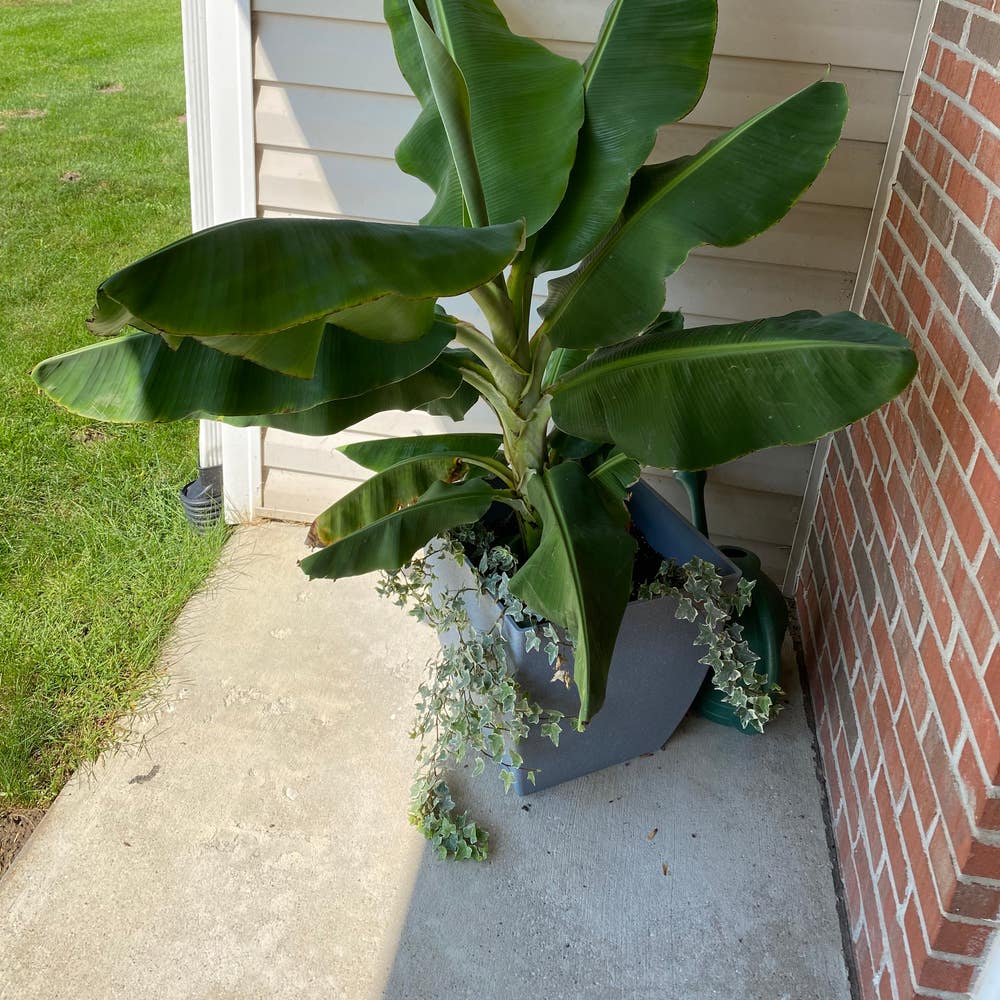
🍌 Abyssinian Banana Hardiness Zones Ultimate Guide: 9a-11b
Ensete ventricosum
By the Greg Editorial Team
Oct 09, 2024•4 min read
This article was created with the help of AI so we can cover more plants for you. May contain errors. See one? Report it here.
Transform your garden into a tropical paradise 🌴 by mastering the ideal conditions for thriving Abyssinian bananas! 🌞
- 🌡️ Abyssinian bananas thrive in zones 9a-11b, tolerating brief cold down to 20°F (-6°C).
- ☀️ Full sun and well-draining soil are essential for optimal growth and preventing root rot.
- 🌊 Coastal areas like California and Florida provide ideal climates for these tropical plants.
Temperature Tolerance
❄️ Cold Tolerance
Abyssinian bananas can handle some chilly weather, with a minimum temperature tolerance down to 20°F (-6°C) for short bursts. However, it's crucial to keep them away from frost, as exposure can damage their leaves and stunt growth.
🔥 Heat Tolerance
On the flip side, these plants thrive in the heat, comfortably enduring temperatures up to 100°F (38°C) or even higher. They also love humidity, which is essential for their growth during those hot spells.
Understanding these temperature tolerances is key to successfully growing Abyssinian bananas in your garden. With the right conditions, you can enjoy a lush, tropical vibe right in your backyard.
Ideal Growing Regions
Suitable US States (9a-11b) 🌴
Abyssinian bananas thrive in specific regions of the United States, particularly in hardiness zones 9a to 11b.
- California: The coastal regions and southern parts provide the perfect climate for these tropical beauties.
- Florida: Southern and central Florida offer warm temperatures and humidity, ideal for growth.
- Texas: Coastal and southern areas of Texas create a favorable environment for Abyssinian bananas.
Factors for Ideal Conditions 🌱
To ensure your Abyssinian bananas flourish, consider the following essential factors:
Soil Requirements: They prefer well-draining soil with high moisture content. This combination prevents root rot while providing the necessary nutrients.
Sunlight Needs: Full sun exposure is crucial for optimal growth. Aim for at least six hours of direct sunlight daily to keep your plants happy and healthy.
Moisture Levels: Consistent watering is vital. Mimicking tropical conditions helps maintain the moisture levels these plants crave, promoting robust growth.
Understanding these ideal growing regions and conditions will set you on the path to successfully cultivating Abyssinian bananas. Next, let’s explore how microclimates can further enhance your growing experience.
Microclimates
🌡️ Impact on Growing Zones
Microclimates are localized climate conditions that can significantly differ from the surrounding areas. These variations can create unique opportunities for growing Abyssinian bananas, especially in regions that might otherwise be unsuitable.
Urban areas often have heat-retaining structures, such as buildings and pavements, which can elevate temperatures. Similarly, hills can create sheltered spots that protect plants from harsh winds, while bodies of water can moderate temperature extremes, making them ideal for banana cultivation.
🌱 Examples Benefiting Growth
Urban gardens are prime examples of how microclimates can enhance growth. The heat from buildings can extend the growing season, allowing for healthier plants.
Additionally, areas near large bodies of water, like lakes or rivers, can provide a buffer against cold snaps. This moderation helps maintain a more stable environment, crucial for the thriving of Abyssinian bananas.
Understanding these microclimates can empower gardeners to make informed decisions about where to plant and how to care for their bananas, ensuring a fruitful harvest.
As we explore the ideal growing regions next, consider how these localized conditions can influence your gardening success.
State-Level Suitability
🌞 Suitable States (9a-11b)
Abyssinian bananas thrive in several states within hardiness zones 9a to 11b.
- California: The coastal regions and southern parts provide the perfect climate.
- Florida: Southern and central areas are ideal for these tropical beauties.
- Texas: Look to the coastal and southern regions for optimal growth.
- Hawaii: The warm, humid environment is a natural fit.
- Louisiana: The subtropical climate supports healthy banana growth.
❄️ Unsuitable States and Challenges
Not all states can accommodate Abyssinian bananas.
States in hardiness zones below 9a, such as North Dakota, Montana, and Maine, face significant challenges.
- Prolonged cold winters can be detrimental, leading to frost damage.
- Frost risks during unexpected cold snaps can inhibit growth.
- Inadequate growing seasons limit the time these plants can thrive.
Understanding these factors helps gardeners make informed decisions about where to plant Abyssinian bananas. With the right conditions, these plants can flourish, bringing a touch of the tropics to your garden.
As we explore the next section, let’s dive into the microclimates that can further influence the growth of these vibrant plants.
⚠️ Safety First
This content is for general information and may contain errors, omissions, or outdated details. It is not medical, veterinary advice, or an endorsement of therapeutic claims.
Always consult a qualified healthcare professional before using any plant as food, medicine, or supplement.
Never eat any plant (or feed one to pets) without confirming its identity with at least two trusted sources.
If you suspect poisoning, call Poison Control (800) 222-1222, the Pet Poison Helpline (800) 213-6680, or your local emergency service immediately.
Spotted an error? Please report it here.
Elevate your garden with thriving Abyssinian bananas 🌴 by using Greg's tailored watering reminders and care tips to match your unique climate conditions!