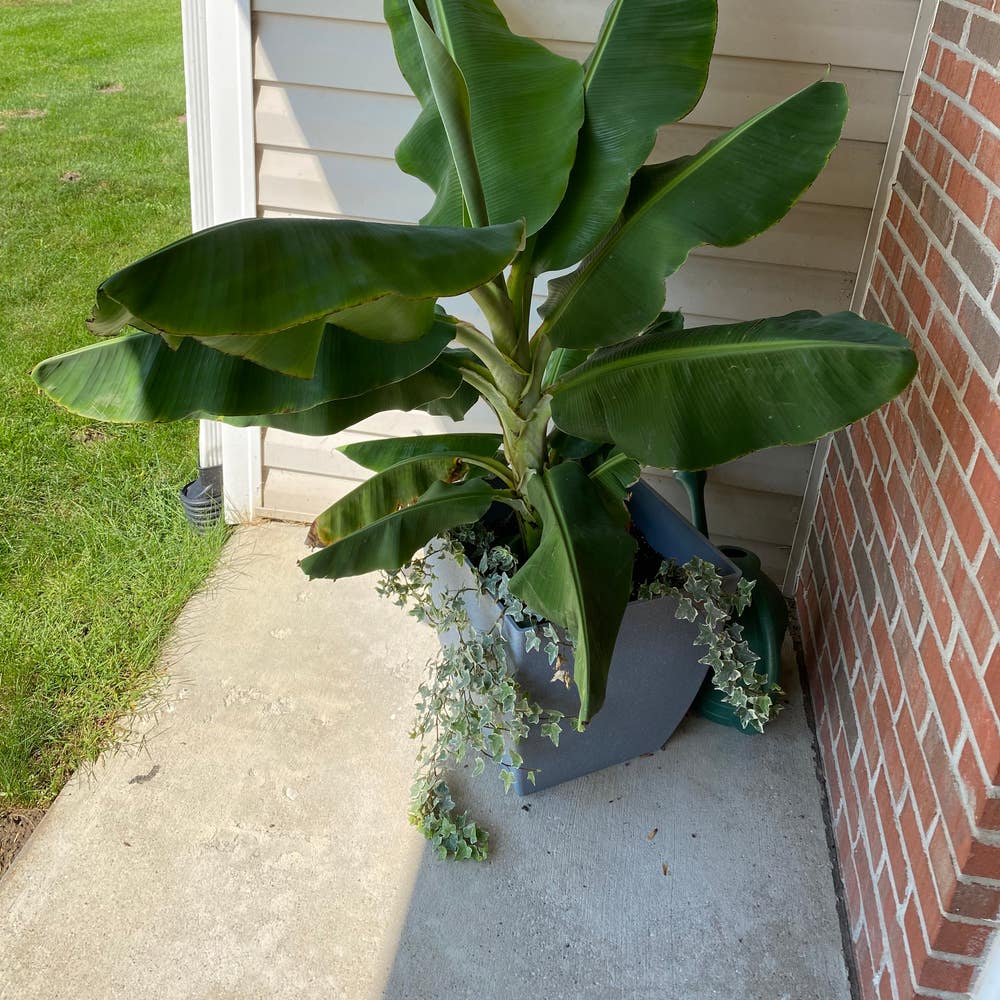
Abyssinian Banana Is a Garden Plant, Not a Weed 🍌
Ensete ventricosum
By the Greg Editorial Team
Oct 09, 2024•5 min read
This article was created with the help of AI so we can cover more plants for you. May contain errors. See one? Report it here.
Elevate your garden's beauty 🌿 with the Abyssinian Banana, a stunning, non-invasive plant that supports local wildlife!
- 🌱 Abyssinian Banana thrives in well-draining soil, full sun, and consistent moisture.
- 🌿 Non-invasive and safe, it enhances biodiversity while being eco-friendly for gardens.
- ✂️ Regular pruning maintains aesthetics and controls growth for a stunning garden focal point.
Growth Habits
Typical Patterns in Gardens 🌱
The Abyssinian Banana goes through distinct growth stages: initial planting, establishment, and mature growth. During the initial phase, it requires careful attention to ensure it roots well and begins to thrive.
For optimal growth, this plant prefers well-draining soil, full sun exposure, and consistent moisture. These conditions help it flourish, making it a vibrant addition to any garden.
Natural Limits to Growth 🌡️
Several environmental factors can limit the growth of the Abyssinian Banana. Temperature, humidity, and soil conditions play crucial roles in determining how well it develops.
As an herbaceous plant, it experiences seasonal die-back in cooler climates. This means it may retreat during winter, only to spring back to life when conditions improve.
Spread Potential and Management ✂️
The spread potential of the Abyssinian Banana is relatively limited due to its specific habitat requirements. This makes it easier to manage in a garden setting.
To maintain its aesthetic appeal, regular pruning and monitoring are essential. These techniques help control its growth while ensuring it remains a stunning focal point in your landscape.
Ecological Role
🌱 Benefits to Local Ecosystems
The Abyssinian Banana plays a vital role in enhancing biodiversity. It provides essential habitat for local wildlife and attracts a variety of pollinators, enriching the ecosystem around it.
Additionally, this plant contributes significantly to soil health. Its roots help improve soil structure and promote nutrient cycling, creating a more fertile environment for other plants.
🦋 Interactions with Wildlife
This plant fosters positive interactions with local fauna. It attracts bees, butterflies, and other beneficial insects, making it a valuable addition to any garden.
Moreover, the Abyssinian Banana is non-toxic, ensuring compatibility with local wildlife. This quality makes it a safe choice for gardens that aim to support and sustain local ecosystems.
Incorporating the Abyssinian Banana into your garden not only beautifies your space but also nurtures the environment. As we explore garden management next, consider how this plant can enhance your landscape while supporting local wildlife.
Garden Management
Incorporating into Garden Designs 🌿
When incorporating Abyssinian Banana into your garden, consider its striking presence. Use it as a focal point, place it along borders, or integrate it into a tropical-themed landscape for a lush effect.
Companion planting can enhance its beauty and health. Pair it with other non-invasive tropical plants to create a vibrant ecosystem that thrives together.
Aesthetic Considerations 🎨
The visual impact of Abyssinian Banana is undeniable. Its large leaves and impressive height bring drama and a sense of adventure to any garden space.
Throughout the year, its appearance evolves, offering seasonal interest. Watch as its lush foliage transforms with the changing seasons, adding depth and character to your landscape.
Growth Control Methods ✂️
Managing the size and shape of Abyssinian Banana is essential for maintaining a tidy garden. Regular pruning helps control its growth while promoting a fuller, healthier plant.
To keep your garden aesthetically pleasing, consider strategic placement. Allow for natural growth while ensuring it complements your overall design, creating a harmonious balance in your outdoor space.
As you explore these management techniques, you'll find that Abyssinian Banana can be a stunning addition to your garden, enhancing both its beauty and ecological value.
Comparison to Other Plants
🌿 Similar Non-Invasive Plants
When considering non-invasive tropical plants for your garden, several options stand out. Plants like the Bird of Paradise, Hibiscus, and Canna Lily offer vibrant colors and unique shapes without the risk of becoming invasive.
These plants share similar growth habits, thriving in warm climates with well-draining soil. They also attract pollinators, enhancing your garden's ecological role.
🌟 Unique Qualities
The Abyssinian Banana is particularly striking due to its large, banana-like fruit. While not typically consumed, its visual appeal adds a tropical flair to any garden.
Beyond aesthetics, this plant contributes to the garden's overall ambiance. Its lush foliage creates a dramatic backdrop, making it a favorite among garden enthusiasts.
Legal and Environmental Considerations
Relevant Classifications and Guidelines 🌱
When considering the Abyssinian Banana for your garden, it's essential to be aware of local regulations. Some regions may have specific guidelines regarding its planting, especially if you're in an area sensitive to non-native species.
Fortunately, the Abyssinian Banana is generally classified as a non-invasive species. This means it typically won't disrupt local ecosystems, making it a safer choice for gardeners looking to enhance biodiversity without causing harm.
Sustainable Gardening Practices ♻️
Incorporating non-invasive plants like the Abyssinian Banana is crucial for sustainable gardening. These plants support local ecosystems while minimizing the risk of spreading beyond intended areas.
To practice responsible gardening, consider these tips:
- Choose Native Companions: Pair the Abyssinian Banana with native plants to create a balanced ecosystem.
- Monitor Growth: Regularly check for any signs of unwanted spread and manage it promptly.
- Educate Yourself: Stay informed about local flora and fauna to ensure your gardening practices align with environmental health.
By following these guidelines, you can enjoy the beauty of the Abyssinian Banana while contributing positively to your local environment.
As you plan your garden, consider how these practices can enhance not just your space, but the broader ecosystem as well.
⚠️ Safety First
This content is for general information and may contain errors, omissions, or outdated details. It is not medical, veterinary advice, or an endorsement of therapeutic claims.
Always consult a qualified healthcare professional before using any plant as food, medicine, or supplement.
Never eat any plant (or feed one to pets) without confirming its identity with at least two trusted sources.
If you suspect poisoning, call Poison Control (800) 222-1222, the Pet Poison Helpline (800) 213-6680, or your local emergency service immediately.
Spotted an error? Please report it here.
Transform your garden with the stunning Abyssinian Banana 🌿 and let Greg guide you with tailored watering reminders to keep it thriving while supporting local wildlife!