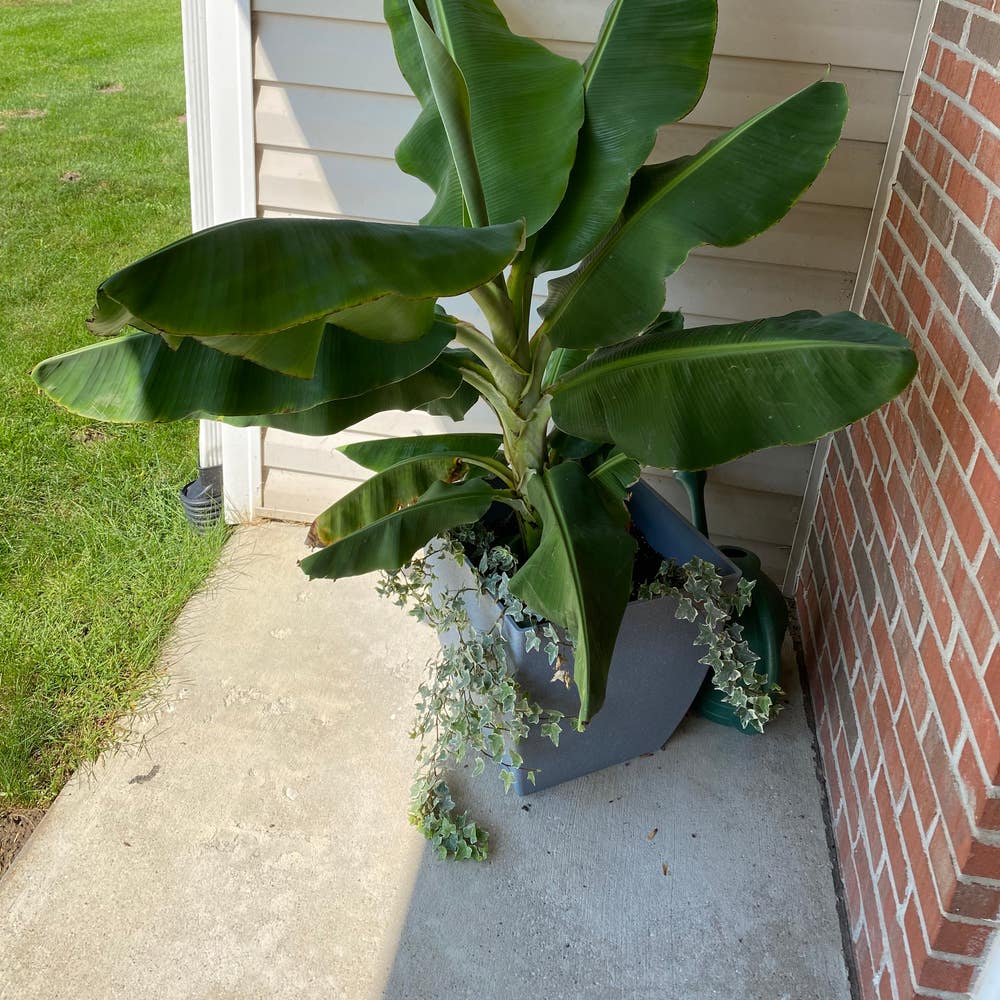
Attracting Pollinators to Your Abyssinian Banana 🐒
Ensete ventricosum
By the Greg Editorial Team
Oct 09, 2024•6 min read
This article was created with the help of AI so we can cover more plants for you. May contain errors. See one? Report it here.
Unlock the secrets of Abyssinian banana flowers 🌼 to boost pollination and enjoy a bountiful harvest!
- 🌼 Abyssinian bananas attract bees, butterflies, and hummingbirds with their vibrant flowers.
- 🌱 Cross-pollination boosts fruit production and plant health, enhancing genetic diversity.
- 🌍 Creating a pollinator-friendly garden supports ecosystem health and attracts beneficial insects.
Flower Structure
🌼 Description of Flower Characteristics
The Abyssinian banana boasts large, tubular flowers adorned with prominent bracts. These bracts, ranging from bright yellow to striking red, serve as a beacon for various pollinator species.
The flowers are arranged in clusters on a single stalk, with male flowers positioned above the female ones. This unique structure not only enhances visual appeal but also plays a crucial role in the plant's reproductive success.
🐝 Role of Flower Characteristics in Pollination
The flower's design allows for self-pollination, ensuring that the plant can reproduce even in the absence of pollinators. However, cross-pollination is where the magic happens, bringing in genetic diversity that strengthens the species.
The arrangement of male and female flowers facilitates efficient pollen transfer between plants. This strategic positioning maximizes the chances of successful fertilization, leading to robust fruit production.
In summary, the flower structure of the Abyssinian banana is not just beautiful; it’s a well-thought-out system that supports both self-pollination and cross-pollination. This dual capability enhances the plant's resilience and adaptability, setting the stage for the next section on the pollination process.
Pollination Process
Self-Pollination and Cross-Pollination 🌼
Abyssinian Banana flowers are uniquely designed for self-pollination. Their structure allows pollen to transfer from the male parts to the female parts without needing external help.
However, cross-pollination plays a crucial role in enhancing fruit and seed production. It promotes genetic diversity, leading to healthier plants and more robust yields.
Identification of Primary Pollinators 🐝
Bees
Bees are the star pollinators for Abyssinian Bananas. Their attraction to the bright bracts makes them essential for transferring pollen between flowers.
Butterflies
Butterflies also contribute significantly to pollination. They are drawn to the vibrant colors and sweet nectar, making them frequent visitors.
Moths and Hummingbirds
Moths and hummingbirds add to the pollination mix, each active during different times. Moths work their magic at night, while hummingbirds are busy during the day, ensuring a continuous flow of pollination.
Understanding these pollination dynamics is vital for cultivating healthy Abyssinian Bananas. With the right knowledge, you can enhance the pollination process and boost your plant's productivity.
Natural Pollination
🌼 Pollen Transfer Mechanisms
Pollination in Abyssinian bananas is a fascinating process. Pollinators like bees, butterflies, and hummingbirds play a crucial role in transferring pollen from male flowers to female flowers.
These pollinators are attracted to the vibrant bracts and sweet nectar. As they move from flower to flower, they inadvertently carry pollen, facilitating fertilization.
Wind and gravity also contribute to pollen dispersal. While pollinators are the primary agents, these natural forces help ensure that pollen reaches its intended destination.
🍌 Importance of Pollination for Reproduction and Genetic Diversity
Successful pollination is essential for fruit production in Abyssinian bananas. When pollen from male flowers fertilizes female flowers, it leads to the development of fruit.
Moreover, cross-pollination enhances genetic diversity. This diversity is vital for the resilience of the plant, making it better equipped to adapt to environmental changes and resist diseases.
Understanding these mechanisms not only highlights the beauty of nature but also emphasizes the importance of protecting our pollinators. As we explore hand pollination techniques next, we’ll see how we can assist this natural process.
Hand Pollination Techniques
🌼 Step-by-Step Instructions for Hand Pollinating
Identifying Male and Female Flower Parts
To successfully hand pollinate your Abyssinian Banana, start by identifying the flower parts. Male flowers contain stamens, which produce pollen, while female flowers have pistils, where the pollen needs to land for fertilization.
Collecting Pollen
Next, you'll want to collect the pollen. Gently tap the male flowers to release the pollen grains; a soft touch is key to avoid damaging the delicate structure.
Transferring Pollen
Once you have the pollen, it's time to transfer it. Use a small brush or your fingertip to apply the pollen directly to the stigma of the female flowers, ensuring good contact for successful fertilization.
Timing for Hand Pollination
Timing is crucial for effective hand pollination. The best times to pollinate are early in the morning or late in the afternoon when the flowers are most receptive and temperatures are moderate.
Hand pollination can significantly enhance your fruit and seed production, especially in areas with fewer natural pollinators. By following these steps, you can ensure a thriving Abyssinian Banana plant and enjoy the fruits of your labor.
Next, let’s explore how to create a pollinator-friendly environment to support these essential creatures.
Supporting Pollinators
🌼 Creating a Pollinator-Friendly Environment
To attract pollinators to your Abyssinian Banana, it's crucial to create a diverse planting environment. This means incorporating a variety of flowering plants that bloom at different times, ensuring a steady food source for bees, butterflies, and other pollinators.
Minimizing pesticide use is equally important. Chemicals can harm beneficial insects, so opt for organic alternatives whenever possible. Additionally, providing water sources, like shallow dishes filled with pebbles, can help keep pollinators hydrated and happy.
🌸 Companion Plants
Companion planting is a fantastic way to enhance your garden's appeal to pollinators. Choose flowering plants that bloom simultaneously with your Abyssinian Banana to create a vibrant, inviting space.
Consider adding marigolds, known for their bright colors and ability to attract bees. Lavender is another excellent choice, offering both beauty and a delightful fragrance. Native flowering plants, which are adapted to local conditions, can also provide essential support for your pollinator friends.
By fostering a welcoming environment and selecting the right companions, you can significantly boost pollinator activity in your garden. This not only benefits your Abyssinian Banana but also contributes to the overall health of the ecosystem.
As you cultivate this pollinator-friendly space, you'll be setting the stage for successful pollination and vibrant fruit production. Next, let's explore the challenges that can arise in the pollination process and how to overcome them.
Pollination Challenges
Common Obstacles 🌍
Pollination can be tricky due to environmental factors. Temperature and humidity fluctuations can disrupt the delicate balance needed for successful pollination.
Urbanization and habitat loss also pose significant challenges. These changes lead to a decline in pollinator species, making it harder for plants like the Abyssinian Banana to thrive.
Solutions for Overcoming Challenges 💪
To combat these issues, maintaining optimal growing conditions is crucial. Regularly monitor temperature and humidity levels to create a stable environment for your plants.
Enhancing pollinator habitats is equally important. Planting diverse flora and providing water sources can attract more pollinators, increasing their visits to your garden.
By addressing these challenges, you can foster a thriving ecosystem that supports both your Abyssinian Banana and its pollinators. This not only boosts fruit production but also contributes to a healthier environment.
⚠️ Safety First
This content is for general information and may contain errors, omissions, or outdated details. It is not medical, veterinary advice, or an endorsement of therapeutic claims.
Always consult a qualified healthcare professional before using any plant as food, medicine, or supplement.
Never eat any plant (or feed one to pets) without confirming its identity with at least two trusted sources.
If you suspect poisoning, call Poison Control (800) 222-1222, the Pet Poison Helpline (800) 213-6680, or your local emergency service immediately.
Spotted an error? Please report it here.
Boost your Abyssinian banana's fruit production by creating a pollinator-friendly paradise 🌺 with Greg's tailored tips and reminders to attract bees, butterflies, and more!