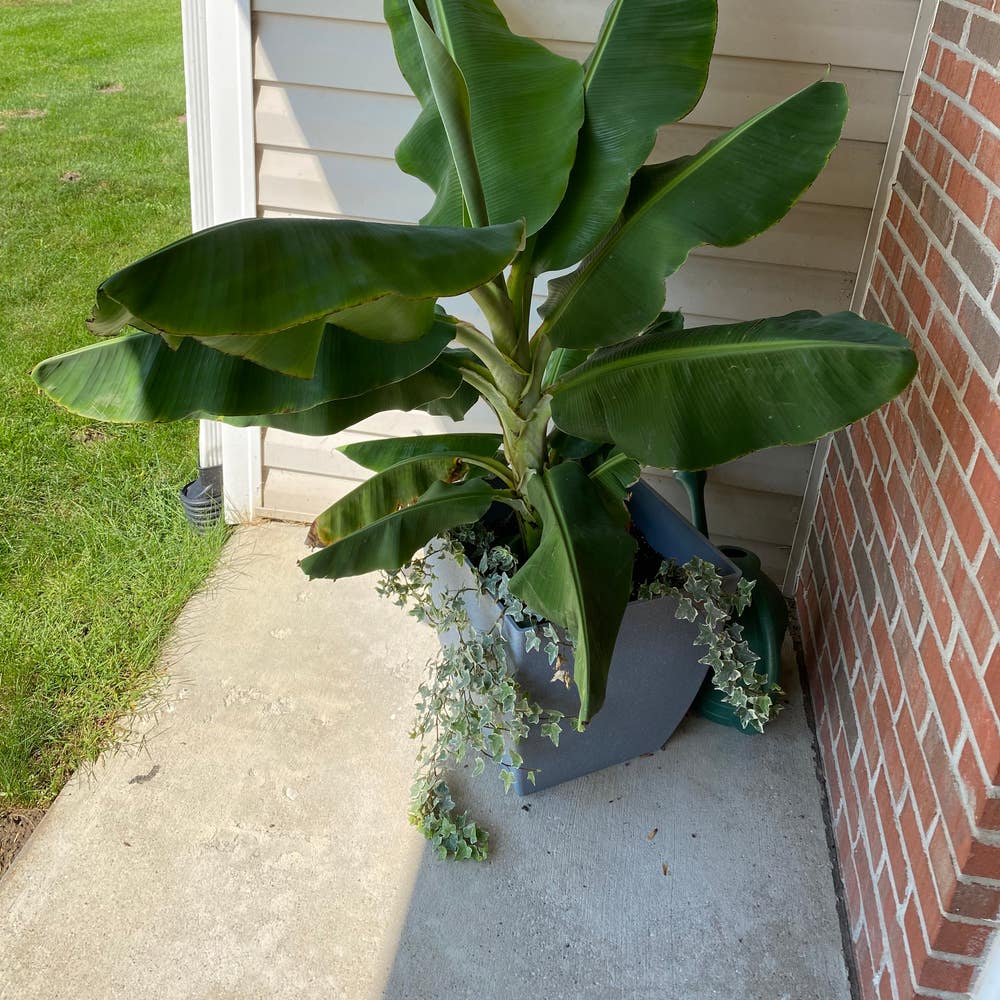
Why Are My Abyssinian Banana Leaves Droopy?
Ensete ventricosum
By the Greg Editorial Team
Jun 18, 2024•6 min read
This article was created with the help of AI so we can cover more plants for you. May contain errors. See one? Report it here.
Rescue your Abyssinian Banana's wilted leaves 🍃 and restore its tropical splendor with expert care secrets.
- Droopy leaves signal distress, often due to improper watering or environmental stress.
- Balance water and humidity; aim for 50-60% humidity and correct soil moisture.
- Combat pests and nutrient issues with proper care and regular checks.
Spotting the Signs of Trouble
🍂 Identifying Droopy Leaves: What to Look For
Droopy leaves on your Abyssinian Banana plant are like the plant's version of a sad emoji. Look for leaves that have lost their usual upright swagger and are hanging down as if they've just heard bad news. If they're also feeling a bit less firm to the touch, it's a sign they're not their perky selves.
📆 The Timeline of Droopiness: When It's a Problem
Not all droop is a disaster. Sometimes leaves have a bad day, just like us. But if you notice the droopiness is more like a permanent mood rather than a fleeting frown, it's time to act. Leaves that remain limp for several days are sending a distress signal that shouldn't be ignored. Keep a close eye on the progression, and if the droopiness is accompanied by discoloration or other signs of distress, consider it a plant red alert.

Water Woes: Too Much or Too Little
Navigating the hydration needs of your Abyssinian Banana can feel like a tightrope walk. Balance is the name of the game.
💧 The Goldilocks Principle: Finding the Right Watering Balance
Consistency is your ally in the quest for the perfect watering routine. Adjust for weather fluctuations—more water during heat waves, less when it's cool. A soil that drains well will forgive the occasional overzealous watering.
🏜️ Signs of Underwatering and How to Bounce Back
When the leaves of your Abyssinian Banana look more deflated than a day-old balloon, it's time to reevaluate your watering schedule. Dry soil and brittle leaves are a cry for help. To revive your parched plant, introduce a thorough watering regimen, allowing the soil to become moist but not soggy.
🚰 Overwatering Pitfalls: Preventing Root Rot
Overwatering is like an overbearing hug—it smothers. Watch out for perpetually wet soil, a pot that feels heavier than your last breakup, and leaves that drop faster than your mood on a Monday. Drainage holes are your plant's lifeline—make sure they're clear. If the soil feels like a wet sponge, it's time to back off with the watering can.

Battling External Stressors
🌡️ Shielding from Temperature Tantrums: Ideal Heat Conditions
Abyssinian Banana plants are not fans of the rollercoaster—consistent temperatures are their jam. Keep it steady between 60-85°F (15-29°C) to prevent the leaves from throwing a fit. Too hot and they'll wilt; too cold and they'll stiffen up like a board.
💦 Humidity Hugs: Keeping Moisture Levels Just Right
Humidity is like a secret handshake for these plants—it needs to be just right. Aim for a humidity level of 50-60%, which is like a cozy middle ground. Too dry, and the leaves will start to brown at the edges; too moist, and you're inviting a fungal rave. Use a humidifier or a pebble tray to maintain that sweet spot, and remember to keep the air moving to avoid mold gatecrashing the party.
🌍 Environmental Adjustments
Keep your plant away from drafty windows and those sneaky air conditioning vents that can blast cold air like an unwelcome blizzard. And don't even think about placing it next to a heater—that's just asking for trouble. Instead, find a spot that's just right and stick to it—your plant will thank you with perky leaves.
📊 Monitoring Tools
Invest in a thermometer and a humidity meter. They're like the plant world's version of a weather station, giving you the lowdown on the climate conditions so you can adjust accordingly. It's not about being obsessive—it's about being attentive.
🌿 Grouping for Humidity
Consider the social life of your plants—grouping them can create a microclimate of shared humidity. Just make sure they're not too close, or you'll have pests joining the party uninvited. It's about creating a community, not a crowd.
Remember, your Abyssinian Banana plant didn't sign up for an extreme sports version of 'Survivor.' Keep the conditions stable, and you'll have a happy, droop-free plant.

Under Attack: Pests and Nutrient Nemeses
🐛 Bug off: Common pests that weigh down leaves
Aphids, scale insects, and mealybugs are the usual suspects when Abyssinian Banana leaves start drooping under the weight of these sap-sucking freeloaders. They're not just a nuisance; they're a full-blown leaf-draining brigade. Honeydew secretion by these pests can lead to sooty mold, further complicating your plant's health.
To tackle these pests, think of neem oil and insecticidal soap as your plant's personal bodyguards. Apply diligently, ensuring to hit the undersides of leaves where these pests throw their covert parties. Pruning can also act as a strategic strike, removing infested areas and giving your plant a fighting chance.
🌿 Feeding for strength: Nutrients to keep leaves perky
Nitrogen, phosphorus, and potassium are the three musketeers of plant nutrition, each playing a pivotal role in maintaining robust foliage. Nitrogen is your leafy green's gym buddy, while phosphorus and potassium handle the behind-the-scenes work of flower and root development, and overall plant health.
However, overzealous fertilizing can backfire, turning your plant care routine into a buffet for pests. Use a balanced fertilizer to avoid the high nitrogen levels that pests love. If your plant's already under the weather, consider foliar feeding as a quick pick-me-up, but keep it light to prevent leaf burn. Remember, moderation is your mantra here.
Natural predators like ladybugs and lacewings are the unsung heroes in this saga. They're not just there for their good looks; they're ravenous pest predators. Encouraging these beneficial insects can mean the difference between a droopy and a dynamic Abyssinian Banana.
Revival Tactics: Bringing Leaves Back to Life
💧 The Perfect Soil Setup: Ensuring Proper Drainage
Drainage is your plant's lifeline. Mix in perlite or sand to create a well-draining soil that's less like quicksand and more like a breathable fabric for roots. Pebbles at the pot's base are like a good insurance policy against waterlogging—don't skip it.
🌡️ Climate Control: Adjusting Your Plant's Environment
Your plant's comfort zone is non-negotiable. Temperature swings are the drama your plant can live without. Aim for a steady climate, and if your home's as unpredictable as a reality TV show, consider investing in a thermostat. Humidity should mimic a tropical morning—not too dry, not a rainforest. A pebble tray or humidifier can work wonders.
🛡️ The Prevention Prescription: Routine Checks and Balances
Visual checks are your secret weapon. Like a detective on a stakeout, keep an eye out for early signs of distress. Consistency in care trumps everything—water, light, and temperature changes should be more gradual than a sloth's pace. And remember, prevention is better than cure, so don't let your guard down.
⚠️ Safety First
This content is for general information and may contain errors, omissions, or outdated details. It is not medical, veterinary advice, or an endorsement of therapeutic claims.
Always consult a qualified healthcare professional before using any plant as food, medicine, or supplement.
Never eat any plant (or feed one to pets) without confirming its identity with at least two trusted sources.
If you suspect poisoning, call Poison Control (800) 222-1222, the Pet Poison Helpline (800) 213-6680, or your local emergency service immediately.
Spotted an error? Please report it here.
Keep your Abyssinian Banana's leaves upright and vibrant 🌿 with Greg's personalized watering reminders and care tips, ensuring they never suffer the slump of neglect!