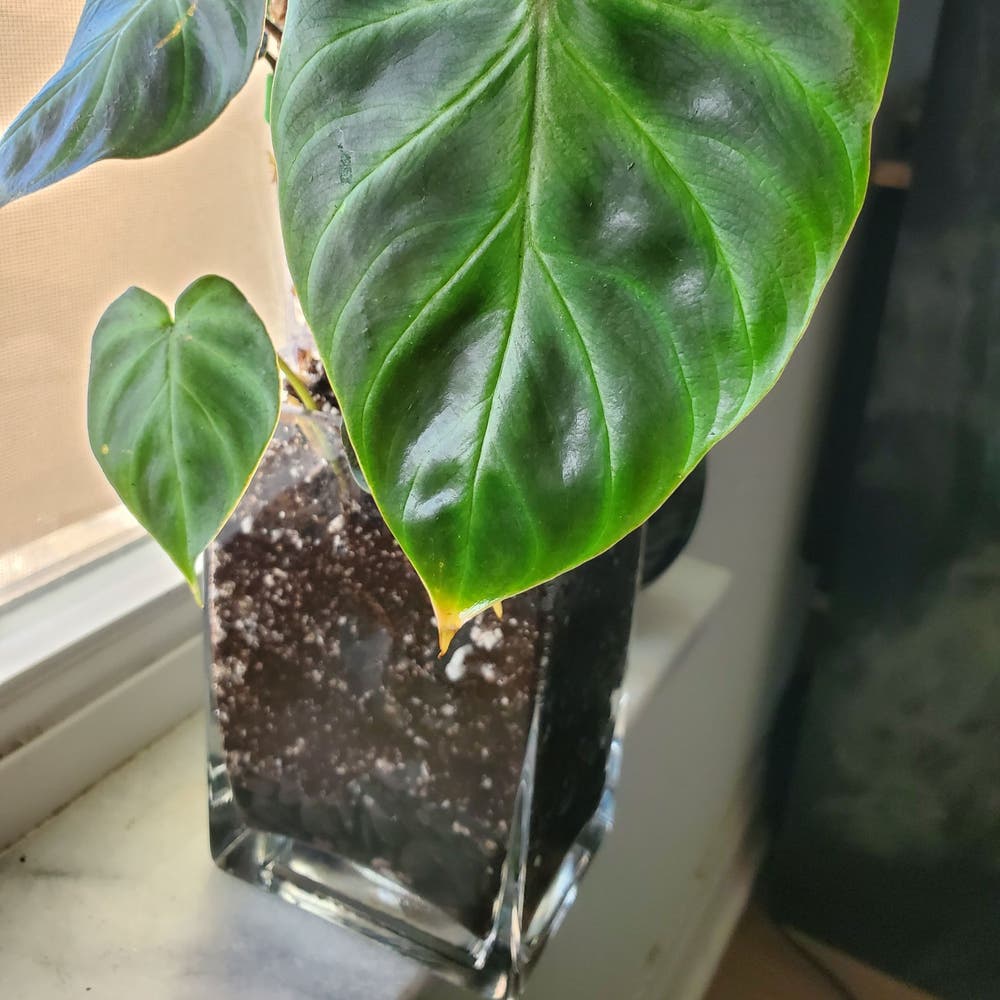
Ecuador Philodendron is Not an Invasive Plant
Philodendron verrucosum
By the Greg Editorial Team
Sep 30, 2024•4 min read
This article was created with the help of AI so we can cover more plants for you. May contain errors. See one? Report it here.
- 🌱 Ecuador Philodendron thrives in warm, humid climates with indirect sunlight for optimal growth.
- 🌿 This non-invasive plant enhances biodiversity, providing habitat and food for local wildlife.
- ✂️ Regular pruning and support help maintain its striking appearance and health in gardens.
Growth Habits
Typical Patterns 🌿
The Ecuador Philodendron exhibits a climbing or trailing growth form, often needing support to thrive. Its large, glossy leaves can grow impressively, reaching lengths of up to 12 inches.
Spread Potential 📏
This plant has a moderate growth rate, typically expanding 1 to 2 feet per year. It thrives in warm, humid climates and prefers indirect sunlight for optimal growth.
Environmental Conditions 🌡️
For the best results, maintain an ideal temperature range of 65°F to 85°F (18°C to 29°C). The Ecuador Philodendron requires well-draining soil rich in organic matter, along with consistent moisture—just be careful to avoid waterlogging.
Understanding these growth habits is essential for successful cultivation. With the right conditions, this stunning plant can flourish beautifully in your garden.
Ecological Role
Benefits in Ecosystems 🌱
The Ecuador Philodendron plays a vital role in enhancing biodiversity. It provides essential habitat and food for various species, creating a thriving environment.
Additionally, this plant contributes to soil health through the decomposition of organic matter. This process enriches the soil, promoting a healthier ecosystem overall.
Interactions with Wildlife 🦋
One of the most delightful aspects of the Ecuador Philodendron is its ability to attract beneficial wildlife. Pollinators like bees and butterflies are drawn to its lush foliage, while nectar-feeding birds find a welcoming habitat.
Moreover, the plant offers shelter and nesting sites, supporting local ecosystems. This interaction fosters a vibrant community of flora and fauna, showcasing the interconnectedness of nature.
The Ecuador Philodendron not only beautifies gardens but also plays a crucial role in maintaining ecological balance. Its presence encourages a flourishing environment, making it a valuable addition to any garden.
As we explore further, let’s look at how to effectively manage this plant in your garden design.
Garden Management
Incorporation into Designs 🌿
Ecuador Philodendron thrives as a stunning focal point in tropical-themed gardens. Its lush foliage pairs beautifully with other non-invasive plants, enhancing overall biodiversity.
Growth Control Techniques ✂️
To maintain its aesthetic appeal, consider pruning and training the plant on trellises. For optimal health, space them 2-3 feet apart to allow for proper growth.
Maintenance Tips 💧
Establish a regular watering schedule, especially during dry spells, to keep the plant hydrated. Fertilize with a balanced fertilizer every 4-6 weeks during the growing season to promote vigorous growth.
Incorporating these management strategies will ensure your Ecuador Philodendron flourishes, contributing to a vibrant garden ecosystem. Next, let's explore how it compares to other plants in terms of invasiveness and unique qualities.
Comparison to Other Plants
🌿 Similar Non-Invasive Plants
Ecuador Philodendron shares its space with several other non-invasive plants that thrive in similar conditions. Notable examples include Pothos, Monstera, and Philodendron Brasil.
These plants are celebrated for their adaptability and aesthetic appeal. They can enhance garden designs without overwhelming the ecosystem, making them excellent companions in tropical-themed landscapes.
🌟 Unique Qualities
What sets Ecuador Philodendron apart is its distinctive leaf shape and size. Its large, glossy leaves can reach impressive lengths, creating a striking visual impact.
Moreover, this plant's adaptability allows it to flourish in various garden settings. Whether as a focal point or a lush ground cover, it brings a unique charm that complements other flora beautifully.
Incorporating Ecuador Philodendron into your garden not only adds beauty but also supports a balanced ecosystem. As you explore your gardening options, consider how this plant can enrich your space while maintaining ecological harmony.
Legal and Environmental Considerations
📜 Classifications and Guidelines
When planting tropical plants like the Ecuador Philodendron, it's crucial to be aware of local regulations. Many regions have guidelines that help prevent the introduction of invasive species, ensuring that native ecosystems remain healthy.
Sourcing your plants from reputable nurseries is essential. This practice not only supports local businesses but also minimizes the risk of inadvertently introducing invasive species into your garden.
🌱 Sustainable Practices
Incorporating the Ecuador Philodendron into sustainable garden designs can be a game changer. This plant thrives in diverse environments, enhancing the overall biodiversity of your garden.
By promoting biodiversity, you contribute to a healthier ecosystem. Healthy ecosystems are more resilient, supporting a variety of wildlife and improving soil health, which benefits everyone in the long run.
Transitioning to sustainable gardening practices not only enriches your space but also fosters a deeper connection with nature. As you plan your garden, consider how each plant can play a role in supporting the environment.
Next, let’s explore how to effectively manage your garden to maximize the benefits of the Ecuador Philodendron.
⚠️ Safety First
This content is for general information and may contain errors, omissions, or outdated details. It is not medical, veterinary advice, or an endorsement of therapeutic claims.
Always consult a qualified healthcare professional before using any plant as food, medicine, or supplement.
Never eat any plant (or feed one to pets) without confirming its identity with at least two trusted sources.
If you suspect poisoning, call Poison Control (800) 222-1222, the Pet Poison Helpline (800) 213-6680, or your local emergency service immediately.
Spotted an error? Please report it here.
Elevate your garden's beauty and biodiversity 🌿 with the Ecuador Philodendron, and let Greg guide you with tailored care reminders to keep it thriving!