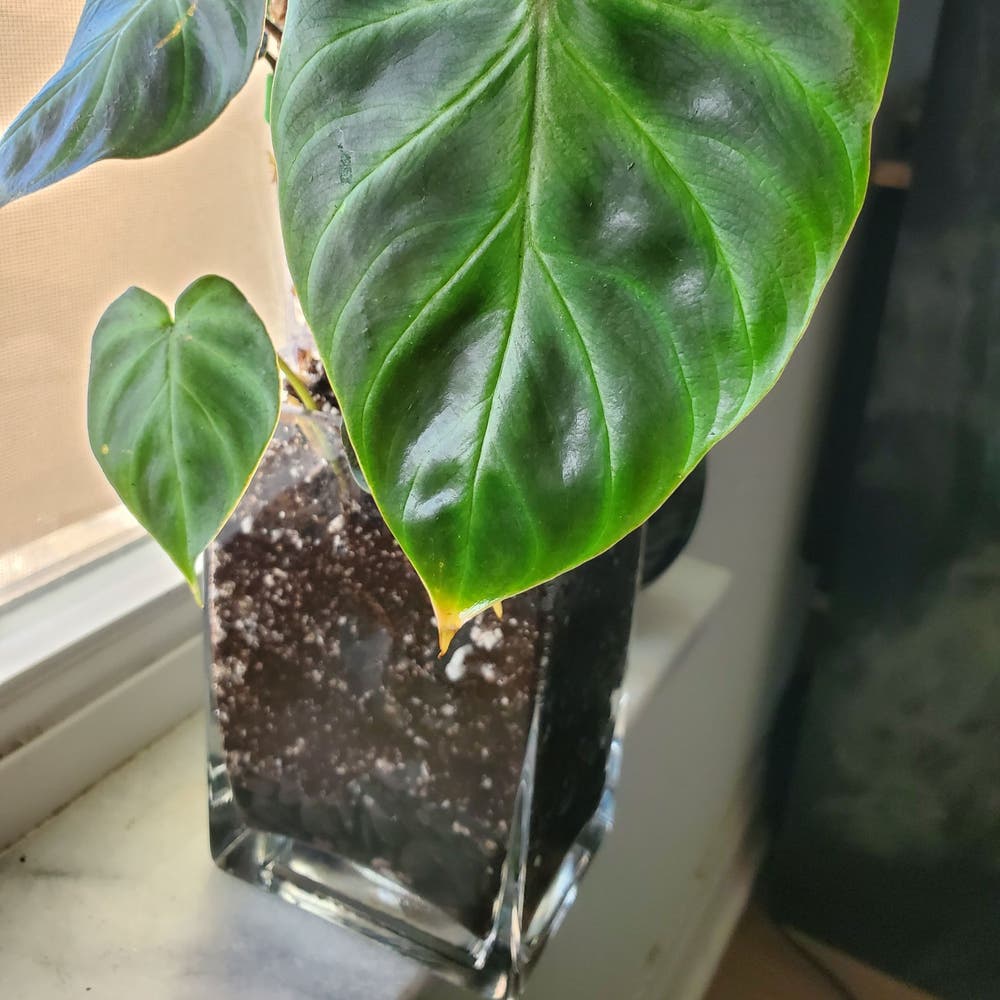
🌸 How and When to Pollinate Ecuador Philodendron
Philodendron verrucosum
By the Greg Editorial Team
Sep 30, 2024•6 min read
This article was created with the help of AI so we can cover more plants for you. May contain errors. See one? Report it here.
- 🌸 Ecuador Philodendron attracts pollinators with unique floral structures and sweet scents.
- 🐝 Self-pollination and cross-pollination enhance reproduction and genetic diversity.
- 🌿 Optimal pollination occurs in humid conditions; hand pollination can boost success.
Flower Structure
Description of Flower Characteristics 🌼
Ecuador Philodendron boasts a unique floral structure that captivates the eye. It features a spadix, a central spike that holds the flowers, typically in shades of yellow or green, surrounded by a colorful spathe.
The spathe acts as a leaf-like bract, often displaying vibrant colors such as white, pink, or red. This striking appearance not only enhances the plant's beauty but also plays a crucial role in attracting pollinators.
Role in Pollination 🐝
Pollination in Ecuador Philodendron can occur through self-pollination, where pollen fertilizes ovules within the same flower. This mechanism ensures that the plant can reproduce even in isolation.
On the other hand, cross-pollination involves attracting various pollinator species, which enhances genetic diversity. This diversity is vital for the resilience and adaptability of the plant population, making it a key factor in their survival.
Understanding these floral characteristics and their roles in pollination sets the stage for exploring the intricate processes that follow.
Pollination Process
🌱 Self-Pollination and Cross-Pollination
Ecuador Philodendron flowers have fascinating mechanisms for reproduction. Self-pollination occurs when pollen fertilizes ovules within the same flower, ensuring that even without external help, the plant can reproduce.
On the other hand, cross-pollination involves external pollinators transferring pollen between flowers. This process enhances genetic diversity, which is crucial for the plant's adaptability and resilience.
🐝 Primary Pollinators
Several pollinators play a vital role in the life cycle of the Ecuador Philodendron.
- Bees are particularly attracted to the bright colors and sweet scents of the flowers.
- Butterflies are drawn in by the nectar and vibrant spathes, adding to the pollination process.
- Moths, active at night, are lured by the enticing scent of the blooms.
- Hummingbirds are also key players, attracted by the flower's unique color and shape.
🎯 Attraction Mechanisms
The Ecuador Philodendron employs various strategies to attract its pollinators.
- Scent production is crucial; sweet fragrances are emitted during blooming to entice visitors.
- The colorful spathes stand out against the foliage, making them hard to miss.
- Nectar availability serves as a food source, rewarding pollinators for their efforts.
Understanding these mechanisms not only highlights the beauty of the Ecuador Philodendron but also emphasizes the importance of maintaining a healthy ecosystem for its growth.
As we delve deeper into the natural pollination process, we’ll explore how pollen transfer occurs and its significance for the plant's reproduction.
Natural Pollination
🐝 Pollen Transfer Mechanisms
Pollination in Ecuador Philodendron primarily relies on insect activity. While wind plays a minor role, it's the buzzing bees and fluttering butterflies that truly make the magic happen.
Insects visit the flowers, transferring pollen from one bloom to another. This interaction is crucial for effective fertilization and seed production.
🌱 Importance for Reproduction
Successful pollination is vital for seed production, which ensures genetic diversity within the plant population. This diversity not only strengthens the species but also enhances its resilience against diseases and environmental changes.
Healthy reproduction leads to a thriving ecosystem, supporting not just the Philodendron but also the myriad of life forms that depend on it. Understanding this process can deepen your appreciation for these remarkable plants and their role in nature.
Hand Pollination Techniques
Hand pollination can be a rewarding way to ensure your Ecuador Philodendron thrives. Here’s how to do it effectively.
📝 Step-by-Step Instructions
Identify Male and Female Flower Parts:
Locate the male parts, which are the anthers on the spadix. The female part is the stigma, found at the top of the spadix.Collecting Pollen:
Use a small brush or cotton swab to gently gather pollen from the anthers. This step is crucial for successful fertilization.Transferring Pollen:
Carefully apply the collected pollen to the stigma. This direct transfer is key to initiating the pollination process.Timing:
Perform this task during the early morning or late afternoon. Flowers are most receptive during these times, increasing your chances of success.
🌟 Tips for Success
- Be Gentle: Handle the flowers delicately to avoid damaging them.
- Stay Observant: Watch for signs of receptiveness in the flowers, such as a slight opening or a change in color.
Hand pollination not only boosts your plant's reproduction but also deepens your connection with it. As you engage in this process, you’ll gain a greater appreciation for the intricate life cycle of your Ecuador Philodendron.
Ready to explore how to support pollinators in your garden? Let’s dive into creating a pollinator-friendly environment!
Supporting Pollinators
🌼 Creating a Pollinator-Friendly Environment
To support pollinators, start by planting a variety of flowering species. This diversity attracts different pollinator species, ensuring a thriving ecosystem.
Avoid using pesticides, as they can harm beneficial insects. Instead, opt for natural pest control methods to keep your garden healthy and inviting for pollinators.
🌱 Companion Plants
Companion planting can significantly enhance your garden's appeal to pollinators. Here are some excellent choices:
- Marigolds: These vibrant flowers attract bees and butterflies, adding color and life to your garden.
- Lavender: Known for its delightful fragrance, lavender draws in a variety of pollinators, making it a must-have.
- Coneflowers: These hardy plants provide nectar for bees and butterflies, ensuring a steady food source.
By incorporating these companion plants, you create a welcoming habitat for pollinators, enhancing the overall health of your Ecuador Philodendron and surrounding flora.
As you cultivate this environment, remember that every small effort counts in supporting our vital pollinator friends. This not only benefits your plants but also contributes to a healthier ecosystem.
Pollination Challenges
Common Obstacles 🌪️
Pollination can be tricky for Ecuador Philodendron due to various environmental factors. Temperature fluctuations and low humidity often hinder successful pollination, making it a challenge for these beautiful plants to thrive.
Urban settings can further complicate matters, as they typically have fewer natural pollinators. This lack of pollinators can lead to reduced genetic diversity and lower seed production.
Solutions 💡
To combat these challenges, maintaining optimal humidity levels between 60-80% is crucial. This creates a more favorable environment for pollination and supports plant health.
When natural pollinators are scarce, consider using artificial pollination methods. This proactive approach can ensure that your plants still reproduce effectively.
Creating a conducive environment is also essential. Planting native species that attract local pollinators can enhance the biodiversity in your garden, making it a haven for these vital creatures.
By addressing these challenges head-on, you can foster a thriving ecosystem that supports your Ecuador Philodendron and its pollination needs.
⚠️ Safety First
This content is for general information and may contain errors, omissions, or outdated details. It is not medical, veterinary advice, or an endorsement of therapeutic claims.
Always consult a qualified healthcare professional before using any plant as food, medicine, or supplement.
Never eat any plant (or feed one to pets) without confirming its identity with at least two trusted sources.
If you suspect poisoning, call Poison Control (800) 222-1222, the Pet Poison Helpline (800) 213-6680, or your local emergency service immediately.
Spotted an error? Please report it here.
Pollinate your Ecuador Philodendron like a pro 🌼 with Greg's personalized tips and reminders, ensuring your plant attracts the right pollinators for a vibrant and thriving garden!