7 Ways to Boost Your Indoor Common Rue 💧
Ruta graveolens
By the Greg Editorial Team
Nov 26, 2024•6 min read
This article was created with the help of AI so we can cover more plants for you. May contain errors. See one? Report it here.
Unlock the secret to a thriving Common Rue indoors with essential care tips for vibrant growth! 🌱✨
- 🌞 Common Rue needs 6-8 hours of sunlight daily for optimal growth.
- 💧 Maintain humidity levels of 40%-60% to prevent dryness and promote vitality.
- 🌱 Use well-draining, slightly alkaline soil for healthy Common Rue growth.
Light Requirements
Ideal Indoor Light Levels 🌞
Common Rue thrives in full sun, requiring 6-8 hours of direct sunlight daily. If direct sunlight isn't an option, aim for bright, indirect light to keep your plant healthy and vibrant.
Using Grow Lights 💡
Grow lights are essential for supplementing natural light, especially in low-light conditions. When choosing the best grow light, consider the following:
- Types: LED grow lights or fluorescent lights are popular choices.
- Spectrum: Opt for full spectrum lights that mimic natural sunlight.
- Wattage: For small to medium-sized plants, a wattage of 20-40 watts is ideal.
Placement and Duration of Grow Light Exposure 🚀
Position your grow light 12-24 inches above the plant for optimal exposure. Ensure your Common Rue receives 12-16 hours of light each day to promote healthy growth.
By understanding and meeting your plant's light requirements, you set the foundation for a thriving indoor garden. Next, let's explore how temperature and humidity play crucial roles in nurturing your Common Rue.
Temperature and Humidity Control
Temperature Requirements 🌡️
Maintaining the right temperature is crucial for your indoor Common Rue. Aim for an optimal range of 65°F to 75°F (18°C to 24°C) to keep your plant thriving.
Avoid exposing your plant to temperatures below 50°F (10°C), as it can lead to stress and hinder growth.
Humidity Needs 💧
Common Rue prefers moderate humidity levels between 40% and 60%. This range helps the plant maintain its vibrant health and prevents issues related to dryness.
To maintain humidity, consider these effective methods:
- Use a humidifier in dry environments to add moisture to the air.
- Group plants together to create a microclimate, which can help retain humidity.
- Place a tray of water with pebbles under the pot; as the water evaporates, it increases humidity around the plant.
Signs of Low Humidity 🚨
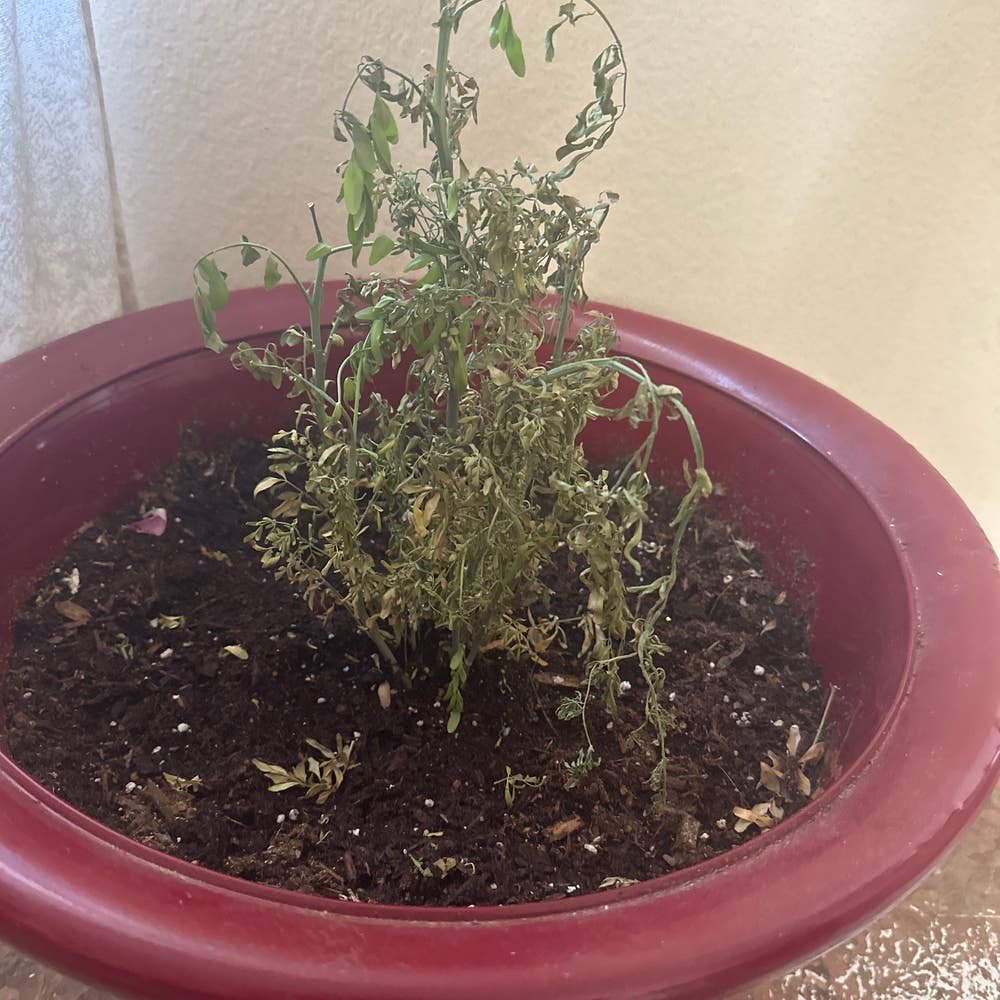
Be on the lookout for signs that your Common Rue is suffering from low humidity. Leaf curling or browning at the tips can indicate that the air is too dry.
Additionally, dry, brittle leaves are a clear signal that your plant needs more moisture. Addressing humidity levels promptly can help restore your plant's vitality.
With the right temperature and humidity control, your Common Rue will flourish. Next, let’s explore the ideal soil type and fertilization practices to further support your plant's growth.
Soil Type and Fertilization
🌱 Soil Type Recommendations
To ensure your Common Rue thrives, start with well-draining soil. A mix of potting soil, sand, and perlite works wonders, allowing excess moisture to escape and preventing root rot.
Aim for a slightly alkaline pH, ideally between 7.0 and 8.0. This pH range supports optimal nutrient availability, helping your plant flourish.
📅 Fertilization Schedule
During the growing season, fertilize your Common Rue every 4-6 weeks. This frequency keeps your plant nourished and encourages robust growth.
For fertilizers, consider a balanced liquid option with an NPK ratio of 10-10-10. Alternatively, organic choices like fish emulsion or compost tea can provide essential nutrients without harsh chemicals.
⚠️ Signs of Nutrient Deficiency
Keep an eye out for yellowing leaves, which often indicate nitrogen deficiency. If you notice your plant struggling to grow, it might be lacking essential nutrients.
By monitoring these signs, you can adjust your care routine to ensure your Common Rue remains healthy and vibrant.
As you focus on soil and fertilization, remember that proper watering techniques also play a crucial role in your plant's overall health.
Watering Techniques
Watering Needs 🌊
Proper watering is crucial for the health of your indoor Common Rue. Allow the top inch of soil to dry out before watering again, ensuring that the roots have access to oxygen.
When you do water, do it thoroughly until it drains from the bottom of the pot. This technique helps prevent dry spots in the soil, but be careful not to let your plant sit in standing water, as this can lead to root rot.
Signs of Overwatering and Underwatering 🚰
Recognizing the signs of overwatering is essential. Look for yellowing leaves, mushy stems, and root rot, which indicate that your plant is drowning.
On the flip side, underwatering can also be detrimental. If you notice wilting leaves, dry soil, or crispy leaf edges, it’s a clear sign that your Common Rue needs a drink.
By mastering these watering techniques, you’ll set your plant up for success. Next, let’s explore common issues and solutions to keep your Common Rue thriving.
Common Issues and Solutions
🌿 Leaf Discoloration and Its Causes
Leaf discoloration is a common issue for indoor Common Rue. Yellowing leaves often signal overwatering or a nutrient deficiency, while browning leaf tips can indicate low humidity or underwatering.
💧 Addressing Wilting or Drooping Leaves
If your Common Rue's leaves are wilting or drooping, start by checking the soil moisture. Adjust your watering practices as needed and assess the environmental conditions to ensure proper light and temperature.
✂️ Solutions for Leggy Growth
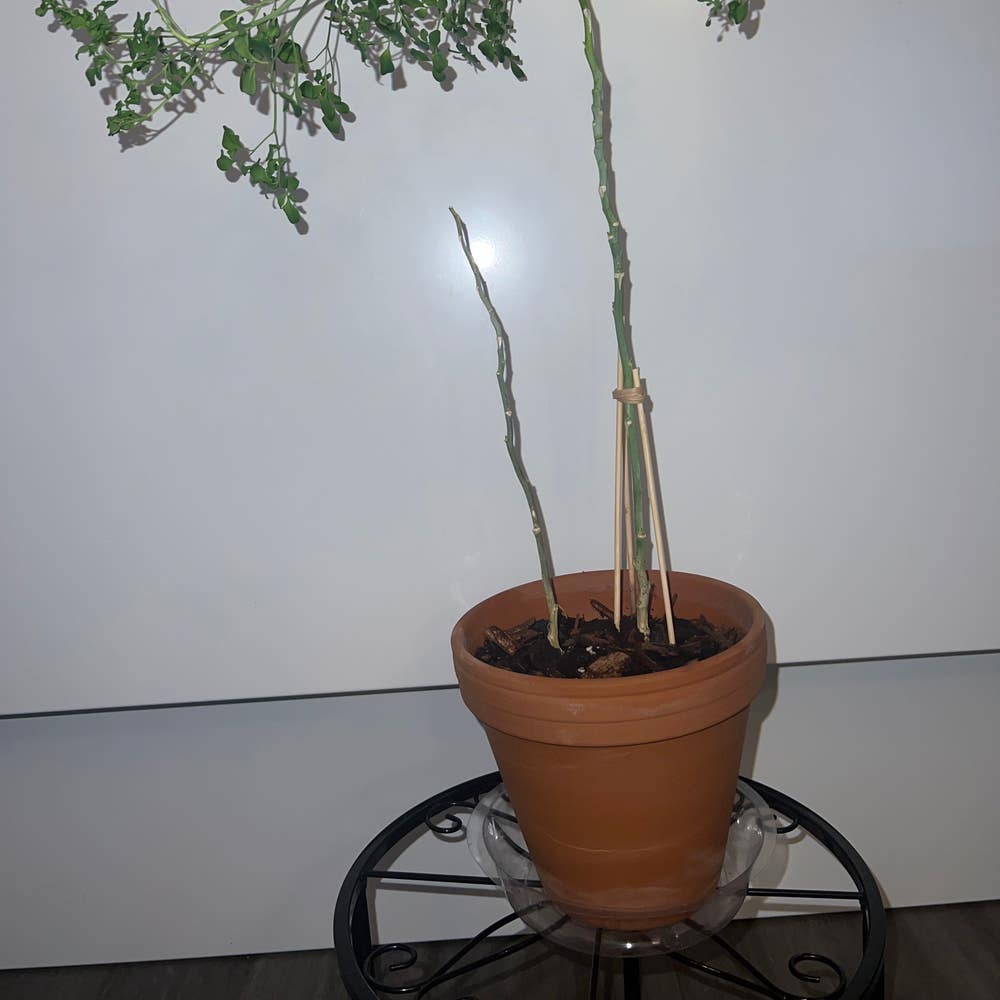
Leggy growth can be frustrating, but it’s usually a sign that your plant needs more light. Move your Common Rue closer to a light source or consider using grow lights to enhance its growth. Additionally, pruning back excessively long stems can promote bushier, healthier growth.
By addressing these common issues, you can keep your indoor Common Rue thriving and vibrant. Next, let’s explore effective pest management strategies to protect your plant from unwanted visitors.
Pest Management
Common Pests 🐜
Indoor plants can attract various pests, with aphids and spider mites being the most common culprits. Aphids are small green insects that feed on plant sap, weakening your Common Rue, while spider mites are tiny pests that create webbing and cause leaf discoloration.
Prevention Strategies 🚫
To keep your plants healthy, regular inspections are key. Check for signs of pests weekly to catch any infestations early.
Additionally, consider companion planting. Using Common Rue as a natural pest repellent can help deter unwanted visitors and protect your indoor garden.
Treatment Options for Infestations 🧴
If you do encounter pests, don't worry; there are effective treatment options available. Organic insecticidal soap works well against aphids and spider mites, providing a safe solution for your plants.
Neem oil is another excellent choice. This natural pesticide disrupts pest life cycles, helping to keep your Common Rue thriving.
By staying vigilant and using these strategies, you can manage pests effectively and enjoy a healthy indoor garden. Next, let’s explore how to tackle common issues like leaf discoloration and wilting.
⚠️ Safety First
This content is for general information and may contain errors, omissions, or outdated details. It is not medical, veterinary advice, or an endorsement of therapeutic claims.
Always consult a qualified healthcare professional before using any plant as food, medicine, or supplement.
Never eat any plant (or feed one to pets) without confirming its identity with at least two trusted sources.
If you suspect poisoning, call Poison Control (800) 222-1222, the Pet Poison Helpline (800) 213-6680, or your local emergency service immediately.
Spotted an error? Please report it here.
Elevate your indoor Common Rue's health with tailored care tips 🌱 from Greg, ensuring it gets the perfect light, humidity, and nutrients for vibrant growth!