❄️ 6 Key Winter Strategies for Common Rue
Ruta graveolens
By the Greg Editorial Team
Sep 30, 2024•4 min read
This article was created with the help of AI so we can cover more plants for you. May contain errors. See one? Report it here.
Unlock your Common Rue's winter resilience 🌱 and watch it thrive come spring with these essential care tips!
- ❄️ Frost protection is vital for Common Rue to prevent cold damage.
- 🌱 Adjust watering schedules in winter to avoid overwatering and root rot.
- 🌞 Indoor care requires bright, indirect sunlight for optimal growth during winter.
Winter Care Strategies
❄️ Frost Protection Methods
Frost protection is crucial for preventing damage to the leaves and roots of Common Rue. A few effective techniques can help safeguard your plants during chilly nights.
Mulching
Using organic materials as mulch can insulate the roots, keeping them warm. This simple step can make a significant difference in your plant's survival.
Covering Plants
During cold snaps, covering your Rue with frost cloths or blankets can provide an extra layer of protection. This method traps heat and shields the plants from harsh winds.
Strategic Placement
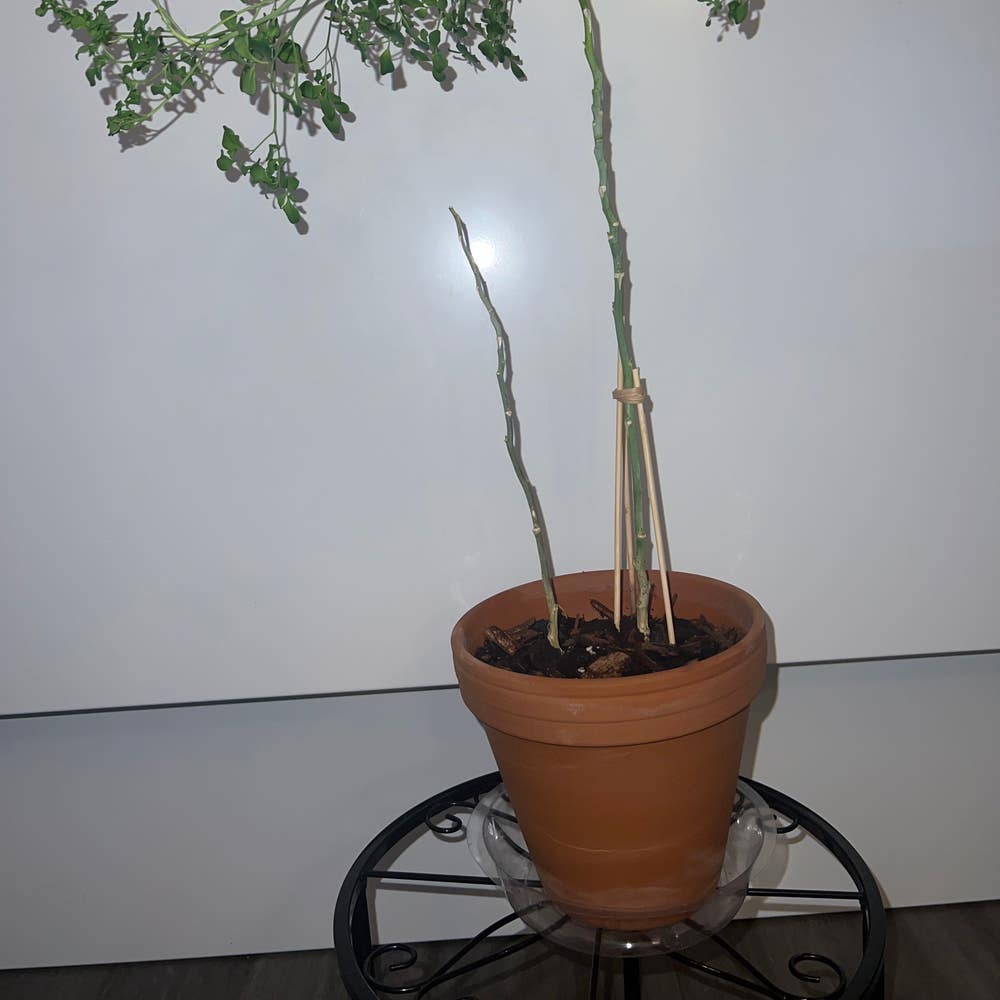
If your Rue is in pots, consider moving them to sheltered areas or against walls. This can help them escape the brunt of the cold and provide a more stable environment.
💧 Adjusting Watering Schedules
As winter sets in, it's essential to adjust your watering frequency. With growth slowing down, overwatering can lead to problems.
Signs of Overwatering
Look out for yellowing leaves and root rot, which are clear indicators that your plant is getting too much water. These signs can be detrimental to your Rue's health.
Recommended Practices
Always check the soil moisture before watering. Aim to water deeply but infrequently to encourage strong root stability, which is vital during the colder months.
🌱 Fertilizing During Winter
Fertilizing during the plant's dormancy requires careful consideration.
General Guidelines
Avoid fertilizing when your Rue is in deep dormancy. If growth resumes during milder conditions, a diluted, balanced fertilizer can be beneficial.
Timing
Plan to resume fertilization in early spring when your plants start showing signs of life again. This timing ensures they receive the nutrients needed for robust growth.
By implementing these winter care strategies, you can help your Common Rue thrive even in the coldest months. Next, let's explore how to transition your plants indoors for added protection.
Indoor Winter Care
Transitioning Indoors 🌬️
As winter approaches, it's crucial to recognize when to bring your common rue indoors. Look for signs like dropping temperatures or the first frost forecast, typically before the first frost date in your area.
Moving your plants inside at the right time helps prevent frost damage and ensures they remain healthy throughout the colder months.
Indoor Care Requirements 🏡
Once indoors, your common rue will need specific care to thrive. Start by providing bright, indirect sunlight; this keeps the plant energized without overwhelming it.
Maintaining moderate humidity and temperatures between 60-70°F (15-21°C) is essential. This creates a comfortable environment that mimics its natural habitat.
Adjust your watering and fertilization practices as well. Follow similar guidelines to outdoor care, ensuring you don’t overwater or fertilize during dormancy.
By paying attention to these indoor care requirements, you can help your common rue flourish even in winter. This sets the stage for a vibrant return to outdoor life come spring.
Spring Preparation
Signs of Recovery from Winter Damage 🌱
As winter fades, look for signs of health in your common rue. New growth and vibrant leaf color are excellent indicators that your plant is bouncing back.
Assessing damage is equally crucial. Check for dead or damaged stems and leaves to determine what needs attention.
Preparing for Spring Growth 🌼
Pruning is your first step toward revitalizing your rue. Remove any dead or damaged foliage to encourage fresh growth and improve airflow.
Timing your fertilization is key for optimal growth. Start feeding your plants as temperatures rise, typically in early spring.
Adjust your watering schedule gradually. Increase watering frequency as the weather warms, ensuring your rue gets the moisture it needs without drowning its roots.
With these strategies, your common rue will be ready to thrive as spring unfolds. Transitioning from winter care to spring growth is an exciting time, setting the stage for a flourishing season ahead.
Common Winter Challenges
Identifying and Addressing Winter Damage 🌨️
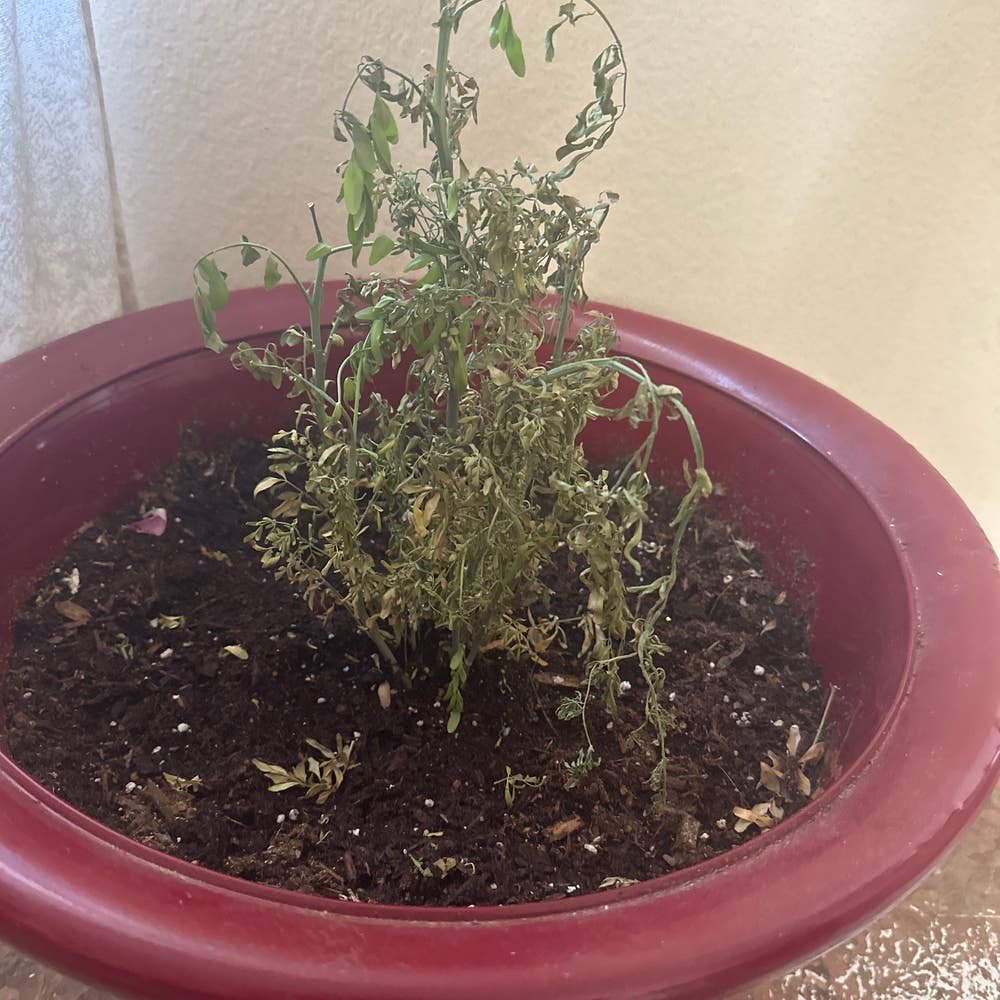
Winter can be tough on common rue, and recognizing the signs of damage is crucial. Look for wilting leaves, discoloration, or dead stems as indicators that your plant may be struggling.
To help your rue recover, consider pruning away any dead or damaged foliage. This not only improves appearance but also stimulates new growth by allowing the plant to focus its energy on healthier parts.
Enhancing Cold Hardiness ❄️
Selecting resilient varieties of rue can make a significant difference in winter survival. Opt for cultivars known for their cold tolerance to ensure your plants withstand harsh conditions.
Improving soil quality is another key strategy. Adding amendments can enhance drainage and support root health, making your plants more resilient against winter stress.
Lastly, consider winterizing techniques. These additional protective measures can safeguard your plants during extreme cold, ensuring they emerge healthy come spring.
With these strategies in place, your common rue will be better equipped to face winter's challenges. Next, let's explore how to prepare for the vibrant growth of spring.
⚠️ Safety First
This content is for general information and may contain errors, omissions, or outdated details. It is not medical, veterinary advice, or an endorsement of therapeutic claims.
Always consult a qualified healthcare professional before using any plant as food, medicine, or supplement.
Never eat any plant (or feed one to pets) without confirming its identity with at least two trusted sources.
If you suspect poisoning, call Poison Control (800) 222-1222, the Pet Poison Helpline (800) 213-6680, or your local emergency service immediately.
Spotted an error? Please report it here.
Keep your Common Rue thriving 🌿 through winter with Greg's tailored care reminders that ensure your plants are protected and ready for vibrant spring growth!