🌿 Why Rue Is Not an Annual
Ruta graveolens
By the Greg Editorial Team
Oct 11, 2024•4 min read
This article was created with the help of AI so we can cover more plants for you. May contain errors. See one? Report it here.
Unlock the secret to a thriving garden with rue's resilient beauty and long-lasting charm! 🌱
- 🌱 Rue is a perennial, thriving for years with deep roots and woody stems.
- 🌼 Blooms vibrant yellow flowers in late spring, attracting pollinators and enhancing gardens.
- 🌍 Long-term care ensures rue's health; avoid overwatering and ensure nutrient-rich soil.
Rue's Perennial Nature
🌱 Genetic and Physiological Characteristics
Rue is classified as a perennial due to its unique adaptations that support long-term survival. Its genetic makeup enables it to thrive in various environments, ensuring it can withstand seasonal changes.
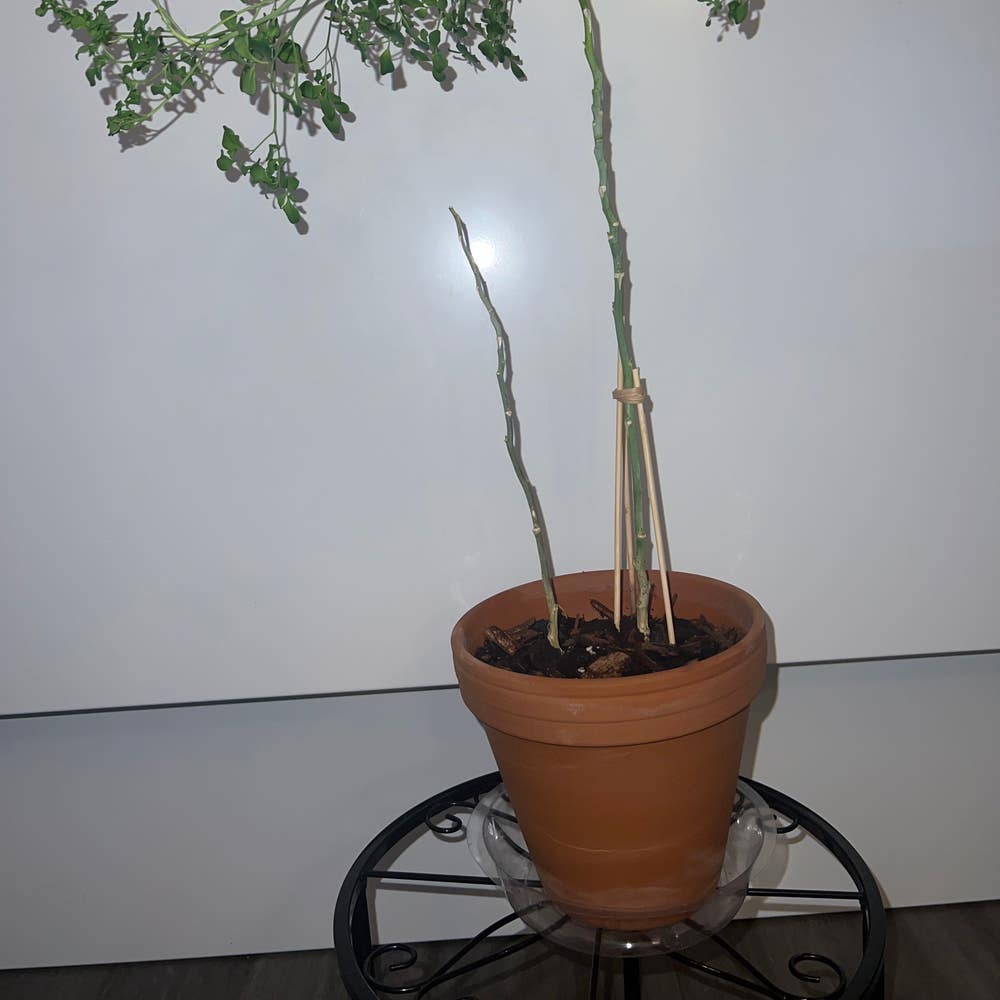
The plant features woody stems that persist year after year, providing structural integrity. This characteristic allows rue to survive harsh winters and return robustly in spring.
Additionally, rue boasts a deep and extensive root system. This root architecture aids in nutrient uptake, allowing the plant to access resources that support its longevity.
⏳ Long-Term Lifecycle and Growth Patterns
Rue typically enjoys a lifespan of several years, making it a reliable choice for gardeners. Its ability to endure through seasons contributes to its classification as a perennial.
Seasonally, rue exhibits dormancy followed by regrowth cycles. This behavior allows it to conserve energy during unfavorable conditions and emerge stronger when the climate improves.
While rue may have a slower initial growth rate, it compensates with sustained growth over the years. This gradual development is part of its strategy for long-term survival.
🌼 Flowering and Seed Production Strategies
Rue's blooming period is marked by the production of vibrant yellow flowers. These blooms typically occur in late spring to early summer, attracting pollinators and enhancing garden aesthetics.
Seed development is carefully timed to ensure optimal production conditions. Rue's strategy involves producing seeds that can withstand various environmental challenges, unlike annuals that often have a more frantic approach to reproduction.
In comparison to annual plants, rue's seed production strategy is more deliberate. This difference highlights its perennial nature, focusing on quality and resilience rather than sheer quantity.
As we explore misconceptions and exceptions regarding rue's classification, it's essential to understand how its unique characteristics contribute to its identity as a perennial.
Misconceptions and Exceptions
🌱 Conditions Where Rue May Be Treated as an Annual
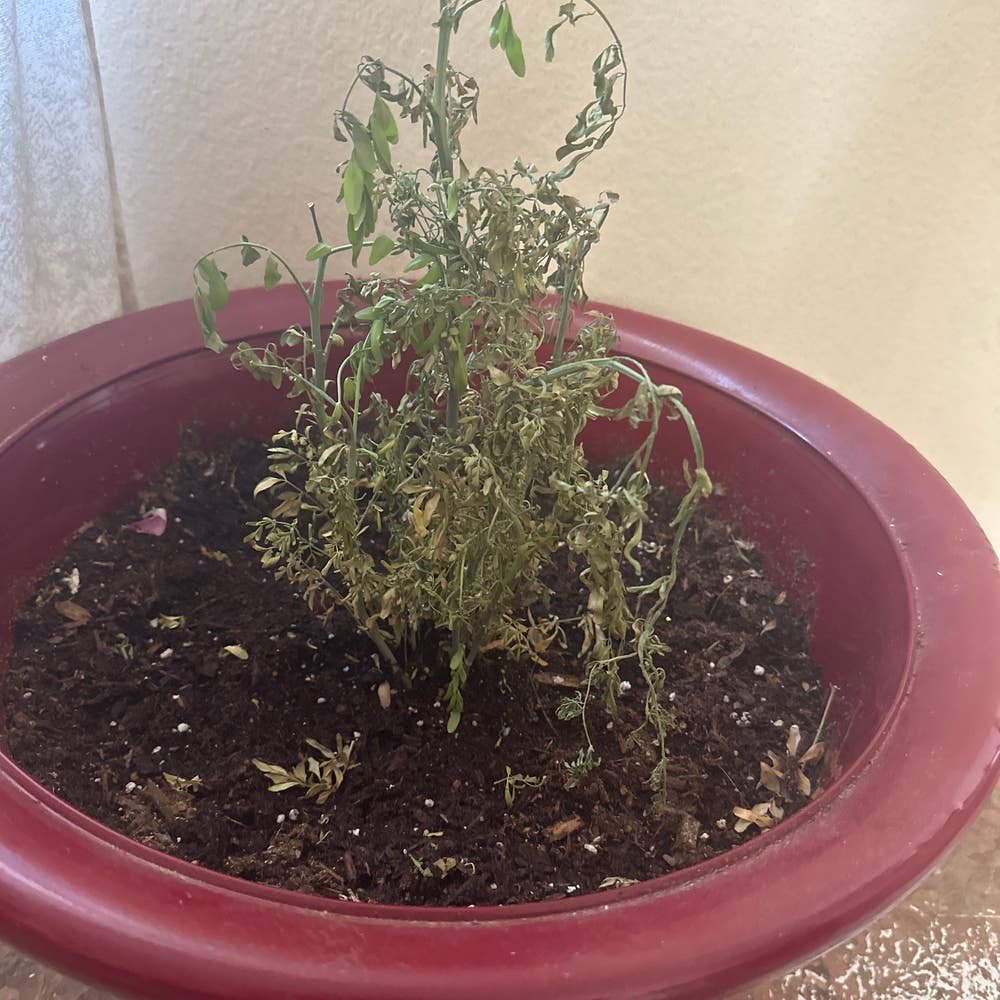
Rue is often misclassified as an annual due to specific environmental stresses. Extreme weather conditions, such as harsh winters or scorching summers, can significantly shorten its lifespan.
In addition, poor cultivation practices can lead to premature death. Overwatering, inadequate sunlight, or nutrient-deficient soil can all contribute to the plant's decline, making it seem like an annual.
🌍 Regional Variations Affecting Rue's Classification
Climate plays a crucial role in determining how Rue grows. In regions with mild winters, Rue can thrive as a perennial, while in harsher climates, it may struggle to survive.
Soil conditions also impact Rue's classification. Variability in soil quality, such as drainage and nutrient levels, can affect its ability to establish a deep root system, further influencing its perennial behavior.
Understanding these misconceptions and exceptions helps gardeners make informed decisions about growing Rue. With the right conditions, this resilient plant can flourish year after year, offering beauty and utility in the garden.
Next, let’s explore the gardening implications of Rue’s perennial nature and how it can enhance your garden design.
Gardening Implications
🌱 Advantages of Rue's Perennial Nature in Garden Design
Planting rue is a smart long-term investment. Unlike annuals, which require replanting every year, rue comes back season after season, saving you time and money.
The aesthetic appeal of rue is undeniable. With its vibrant yellow flowers and lush foliage, it adds beauty to your garden throughout the year.
🌼 Planning for Rue in a Perennial Garden
When incorporating rue into your garden, consider its placement carefully. Pairing it with compatible plants enhances both growth and visual appeal.
Maintenance for rue differs from that of annuals. Focus on long-term care strategies rather than the seasonal replanting routine typical of annuals.
By understanding these gardening implications, you can make the most of rue's unique characteristics and ensure a thriving garden.
Maximizing Rue's Longevity
Tips for Managing Rue as a Perennial 🌱
Pruning is essential for encouraging healthy growth and vibrant flowering in rue. Regularly trim back dead or damaged stems to promote new growth and maintain the plant's shape.
Pest management is another critical aspect of caring for rue. Keep an eye out for common pests like aphids and spider mites, and consider using organic insecticidal soap to protect your plants without harsh chemicals.
Best Practices for Ensuring Rue Thrives Long-Term 🌿
Soil health plays a vital role in rue's longevity. Ensure your soil is nutrient-rich and well-draining to support robust root development.
Establishing a consistent watering schedule is crucial. Rue prefers consistent moisture but can suffer from overwatering, so aim for a balance that keeps the soil damp but not soggy.
Seasonal care adjustments are necessary for rue's growth phases. In spring, focus on fertilization and watering, while in fall, prepare the plant for dormancy by reducing water and pruning back growth.
By following these tips and best practices, you can maximize rue's longevity and enjoy its beauty year after year. Next, let’s explore the gardening implications of incorporating rue into your landscape design.
⚠️ Safety First
This content is for general information and may contain errors, omissions, or outdated details. It is not medical, veterinary advice, or an endorsement of therapeutic claims.
Always consult a qualified healthcare professional before using any plant as food, medicine, or supplement.
Never eat any plant (or feed one to pets) without confirming its identity with at least two trusted sources.
If you suspect poisoning, call Poison Control (800) 222-1222, the Pet Poison Helpline (800) 213-6680, or your local emergency service immediately.
Spotted an error? Please report it here.
Unlock the secret to growing vibrant rue year-round 🌼 with Greg's tailored care reminders that ensure your perennial beauty flourishes season after season!