Ultimate Guide to Fertilizing Rue 💧
Ruta graveolens
By the Greg Editorial Team
Oct 11, 2024•6 min read
This article was created with the help of AI so we can cover more plants for you. May contain errors. See one? Report it here.
Transform your Rue plants 🌱 into vibrant beauties by mastering nutrient needs and fertilization techniques!
- 🌱 Identify nutrient deficiencies in Rue to maintain vibrant plant health.
- 🌿 Balanced N-P-K ratio of 5-10-10 is essential for optimal growth and flowering.
- ⚠️ Avoid over-fertilization to prevent leaf burn and promote healthy blooms.
Signs of Nutrient Deficiency
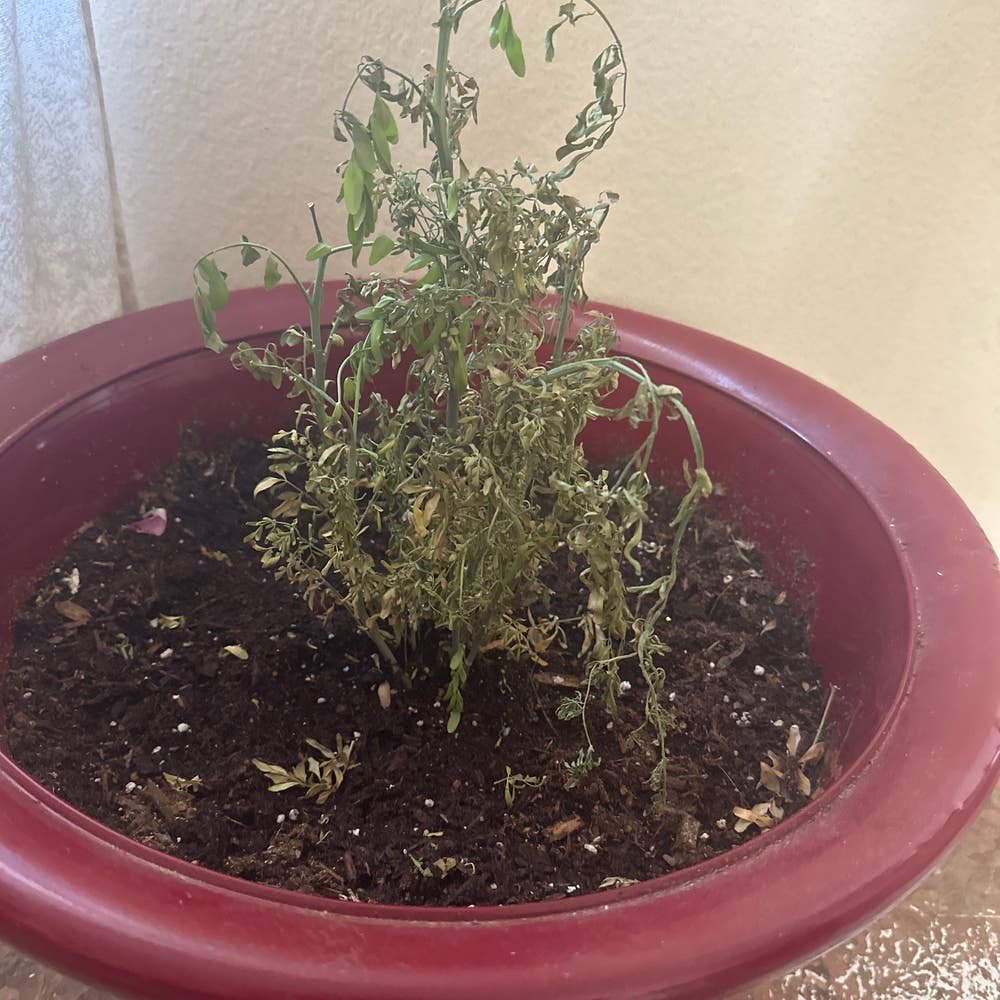
Identifying nutrient deficiencies in Rue is crucial for maintaining its health and vibrancy. Here’s a breakdown of common symptoms to watch for.
🌿 Common Symptoms
Nitrogen Deficiency
If you notice yellowing of older leaves, it’s a telltale sign of nitrogen deficiency. Stunted growth often accompanies this symptom, indicating that your Rue isn’t getting the nutrients it needs.
Phosphorus Deficiency
Dark green leaves with purple undertones can signal a phosphorus deficiency. This condition typically leads to poor flowering, which can be disappointing if you’re hoping for a vibrant display.
Potassium Deficiency
Browning leaf edges are a clear indicator of potassium deficiency. Additionally, weak stems may result, making your plants more susceptible to damage.
🔍 Diagnosis Techniques
To accurately diagnose nutrient deficiencies, consider soil testing for nutrient levels. This method provides a clear picture of what your Rue needs.
Visual inspection of plant health is another effective technique. Regularly checking your plants can help you catch deficiencies early, allowing for timely intervention.
By understanding these signs and diagnosis techniques, you can ensure your Rue thrives and flourishes. Next, let’s explore how to choose the right fertilizer to meet its specific needs.
Choosing the Right Fertilizer
Nutrient Needs 🌱
When it comes to fertilizing Rue, understanding the specific nutrient ratios is key. Rue thrives on a balanced N-P-K ratio, typically around 5-10-10, which supports both growth and flowering.
Slow-release fertilizers are particularly beneficial for Rue. They provide a steady supply of nutrients over time, ensuring your plants receive what they need without the risk of nutrient burn.
Organic vs. Synthetic Fertilizers 🌿
Organic fertilizers offer numerous advantages, including improved soil health and a lower environmental impact. They enrich the soil with beneficial microorganisms, promoting a thriving ecosystem.
On the other hand, synthetic fertilizers can provide a quick nutrient boost when your plants need it most. Use them strategically, especially during critical growth phases, to maximize your Rue's potential.
Recommended Types 🥦
For organic options, consider compost, fish emulsion, and seaweed extract. These not only nourish your plants but also enhance soil structure and fertility.
If you prefer synthetic fertilizers, look for balanced NPK formulas. They deliver nutrients efficiently, making them a great choice for quick results.
Choosing the right fertilizer is essential for nurturing healthy Rue plants. With the right approach, you can ensure they flourish beautifully.
Next, let’s explore the best fertilization schedule to keep your Rue thriving throughout the seasons.
Fertilization Schedule (Seasonal Guide)
Spring 🌱
Timing is crucial in spring. Apply a balanced organic fertilizer early, just before new growth begins.
Summer ☀️
Mid-summer is the perfect time to support blooming. Use a liquid fertilizer for quick nutrient uptake to keep your Rue thriving.
Fall 🍂
As plants prepare for dormancy, apply a low-nitrogen fertilizer in late fall. This helps prevent excessive growth and prepares Rue for the colder months.
Winter Care ❄️
During winter, fertilization is generally unnecessary. Instead, focus on soil amendments to enrich the soil for the upcoming growing season.
With a solid fertilization schedule in place, your Rue will flourish throughout the year. Next, let's explore how to apply fertilizer effectively for the best results.
Applying Fertilizer (Techniques and Tips)
🌱 Application Methods
Granular Fertilizer
Granular fertilizers are a popular choice for fertilizing rue. To apply, evenly distribute the granules around the base of the plant, ensuring they don’t touch the stems.
After application, watering is crucial. This helps the nutrients penetrate the soil and reach the roots effectively.
Liquid Fertilizer
Liquid fertilizers offer a quick nutrient boost. Always follow the manufacturer’s dilution ratios to avoid overwhelming your plants.
For optimal results, apply liquid fertilizer every 4-6 weeks during the growing season. This frequency supports healthy growth and blooming.
🛠️ Best Practices
To prevent leaf burn, avoid letting fertilizer come into contact with the leaves. This simple step can save your plants from unnecessary stress.
Timing is also essential. Apply fertilizers early in the morning or late in the afternoon to minimize evaporation and maximize absorption.
By following these techniques and tips, you can ensure your rue thrives, setting the stage for the next section on avoiding over-fertilization.
Avoiding Over-Fertilization
🚩 Signs of Over-Fertilization
Over-fertilization can be a sneaky problem for your rue plants. One of the most noticeable signs is leaf burn, characterized by browning tips and edges that signal nutrient overload.
Another red flag is excessive leaf growth with few flowers. If your plants are lush but lacking blooms, it might be time to reassess your fertilization strategy.
🛠️ Solutions to Over-Fertilization
If you suspect over-fertilization, flushing the soil is a practical solution. This process involves leaching excess nutrients by thoroughly watering the soil, allowing the runoff to carry away the surplus.
Adjusting your future practices is equally crucial. Consider reducing both the frequency and amount of fertilizer you apply to prevent a recurrence. A more measured approach will help maintain a healthy balance for your rue plants.
By being mindful of these signs and solutions, you can ensure your rue thrives without the risk of over-fertilization. Next, let’s explore how to adjust fertilizer based on the growth stage of your plants.
Adjusting Fertilizer Based on Growth Stage
🌱 Seedling Stage
During the seedling stage, Rue has specific nutrient requirements. Opt for low-nitrogen fertilizers to encourage healthy root development without overwhelming the young plants.
Fertilize seedlings once every 4-6 weeks. This frequency helps establish a strong foundation for future growth.
🌿 Established Plants
As Rue matures, its nutrient needs shift. Use balanced fertilizers to support both growth and blooming, ensuring the plant thrives.
For established plants, aim to fertilize monthly during their active growth period. This regular feeding keeps them robust and vibrant.
🌸 Blooming Stage
When Rue enters the blooming stage, it craves higher phosphorus levels. This nutrient is crucial for promoting abundant flower production.
Increase fertilization frequency to every 2-3 weeks during this time. This approach maximizes blooming potential and enhances the overall beauty of your plants.
Transitioning through these growth stages with the right fertilizer adjustments ensures your Rue remains healthy and flourishing. Next, let’s explore common mistakes to avoid in your fertilization journey.
Common Mistakes
Over-Fertilization 🌱
One of the biggest pitfalls in fertilizing rue is the misconception that "more is better." Over-fertilization can lead to leaf burn and excessive foliage with few flowers, ultimately harming your plant.
Following recommended guidelines is crucial. Stick to the suggested amounts and frequencies to keep your rue thriving without overwhelming it.
Ignoring Soil Quality 🏺
Soil quality is often overlooked, yet it's foundational for healthy plant growth. Incorporating soil amendments like compost and organic matter can significantly enhance nutrient availability.
Regular soil testing is essential to monitor nutrient levels. This proactive approach helps you adjust your fertilization strategy based on actual soil conditions.
Timing Errors ⏰
Fertilizing at the wrong time can derail your plant's growth cycle. Understanding the optimal times for fertilization ensures your rue receives nutrients when it needs them most.
Pay attention to the growth cycles of your plants. Timing your applications to align with these cycles can make all the difference in achieving a flourishing garden.
By avoiding these common mistakes, you can set your rue up for success. Next, let’s explore how to adjust fertilizer based on the growth stage of your plants.
⚠️ Safety First
This content is for general information and may contain errors, omissions, or outdated details. It is not medical, veterinary advice, or an endorsement of therapeutic claims.
Always consult a qualified healthcare professional before using any plant as food, medicine, or supplement.
Never eat any plant (or feed one to pets) without confirming its identity with at least two trusted sources.
If you suspect poisoning, call Poison Control (800) 222-1222, the Pet Poison Helpline (800) 213-6680, or your local emergency service immediately.
Spotted an error? Please report it here.
Boost your Rue's health and vibrancy 🌿 with Greg's personalized fertilization reminders and nutrient diagnostics to keep your plants thriving all year long!