Growing Your Rue Indoors 🩹
Ruta graveolens
By the Greg Editorial Team
Nov 26, 2024•5 min read
This article was created with the help of AI so we can cover more plants for you. May contain errors. See one? Report it here.
Cultivate a vibrant indoor garden 🌱 with expert tips for nurturing healthy rue plants in your home!
- 🌞 Rue needs 6-8 hours of bright, indirect sunlight for optimal growth indoors.
- 💧 Water rue every 1-2 weeks, adjusting for temperature and humidity changes.
- 🌱 Maintain humidity between 40-60% and check for pests to ensure healthy plants.
Light Requirements for Indoor Growing
Optimal Indoor Light Levels 🌞
For growing rue indoors, the ideal light conditions are bright, indirect sunlight. Aim for a daily light duration of 6-8 hours to keep your plants thriving.
Role of Grow Lights 💡
Supplemental lighting plays a crucial role in indoor growth, especially during the darker months. Grow lights can significantly enhance your plant's health and vigor when natural light is limited.
Choosing the Best Grow Light 🛠️
When selecting grow lights, consider the two main types: LED and fluorescent. LEDs are energy-efficient and offer a full spectrum of light, while fluorescent lights are more affordable but may require more frequent replacement.
For optimal growth, choose grow lights with a wattage that suits your space and a spectrum that supports plant development. Generally, a distance of 12-24 inches from the plant is recommended, and you should run the lights for about 12-16 hours daily for best results.
Understanding these light requirements will set a solid foundation for your indoor rue garden. Next, we’ll explore the watering needs essential for keeping your plants healthy and vibrant.
Watering Needs
How Often to Water 🌊
Watering your rue is crucial for its health. Generally, you should water every 1-2 weeks, but this can vary based on your indoor conditions.
In warmer months, you may need to increase your watering frequency. During winter, reduce it to prevent overwatering.
Signs of Overwatering and Underwatering 🚨
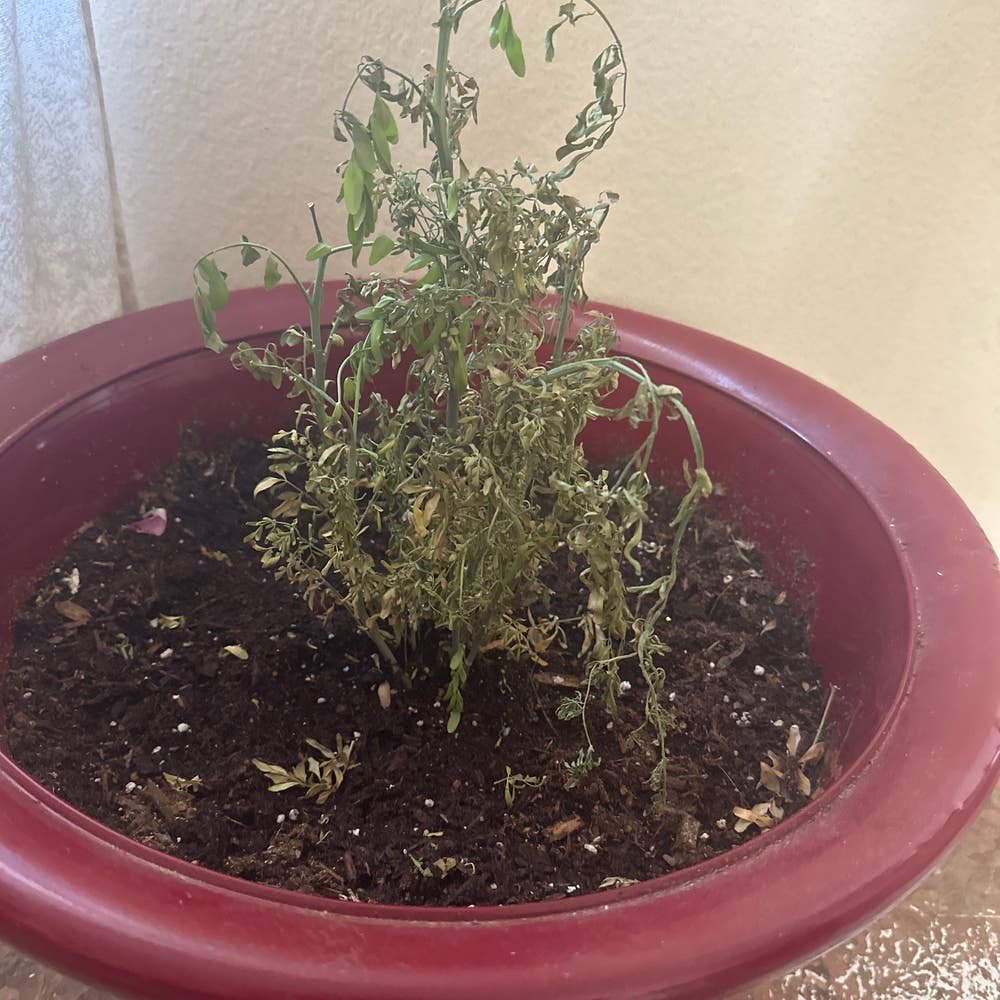
Recognizing the signs of overwatering is essential for maintaining your rue. Look for yellowing leaves, mushy stems, and root rot as indicators that you might be giving your plant too much water.
On the flip side, underwatering can also harm your plant. Signs include wilting, dry soil, and leaf drop, which signal that your rue needs a drink.
By keeping an eye on these signs, you can ensure your rue thrives indoors. Next, let’s explore how to create the perfect humidity and temperature conditions for your plant.
Humidity and Temperature Control
Ideal Humidity Levels 🌬️
Maintaining the right humidity is crucial for your rue's health. Aim for a humidity range of 40-60% to keep your plant thriving.
To achieve this, consider using humidifiers or pebble trays filled with water. These methods can help create a more suitable environment, especially in dry indoor conditions.
Temperature Preferences 🌡️
Rue prefers a cozy climate, thriving best in temperatures between 15°C to 25°C (59°F to 77°F). This range allows for optimal growth and development.
As seasons change, be mindful of cold drafts during winter. Protect your rue by placing it away from windows or doors that may let in chilly air.
With the right humidity and temperature control, your rue will flourish indoors, setting the stage for healthy growth and vibrant leaves. Next, let’s explore the best soil and fertilization practices to keep your plant nourished.
Soil and Fertilization
Best Soil Type 🌱
To grow healthy rue indoors, start with a well-draining potting mix that promotes good aeration. This type of soil helps prevent waterlogging, which can lead to root rot.
Rue prefers a soil pH that is slightly acidic to neutral, ideally between 6.0 and 7.0. Testing your soil's pH can ensure your plant thrives in the right conditions.
Fertilization Schedule 🗓️
Fertilizing your rue every 4-6 weeks during the growing season is essential for robust growth. This regular feeding helps replenish nutrients that may be depleted in the soil.
When choosing fertilizers, consider using a balanced liquid fertilizer or organic options. These types provide the necessary nutrients without overwhelming your plant.
With the right soil and fertilization practices, your rue will flourish indoors. Next, let’s explore how to manage watering needs effectively to keep your plant healthy and vibrant.
Common Issues and Solutions
🐜 Pest Prevention
Common Pests
Indoor rue can attract several pests, including aphids, spider mites, and whiteflies. Look out for signs of infestation such as sticky residue on leaves, webbing, and yellowing foliage.
Natural Pest Control Methods
To combat these pests, consider using neem oil or insecticidal soap. Introducing beneficial insects can also help maintain a healthy balance, while regular inspections and good plant care can prevent infestations before they start.
⚠️ Common Problems
Leaf Yellowing and Dropping
If you notice your rue's leaves turning yellow or dropping, it could be due to overwatering, nutrient deficiencies, or insufficient light. Adjust your watering schedule, check the soil quality, and increase light exposure to remedy these issues.
Root Rot Prevention
Root rot can manifest through wilting, a foul smell from the soil, or mushy roots. To prevent this, ensure proper drainage and use a well-draining soil mix to keep your rue healthy and thriving.
By staying vigilant about pests and common problems, you can enjoy a flourishing indoor rue plant. Next, let's explore the best practices for placement and maintenance to keep your rue looking its best.
Placement and Maintenance Tips
Best Placement in the Home 🌞
For optimal growth, place your rue near south or west-facing windows. This positioning ensures it receives ample bright, indirect sunlight, which is crucial for its health.
Avoid locations with drafts or extreme temperature fluctuations. Consistent conditions help your rue thrive and prevent stress.
Tips for Maintaining Appearance 🧼
Regularly clean the leaves of your rue to prevent dust accumulation. Dust can block sunlight and hinder photosynthesis, so a quick wipe down can make a significant difference.
Keep an eye out for pests and signs of stress. Early detection is key to maintaining a healthy plant, so inspect your rue frequently.
Pruning and Shaping for Optimal Growth ✂️
Prune your rue in early spring or after flowering to encourage new growth. This timing helps the plant recover and flourish.
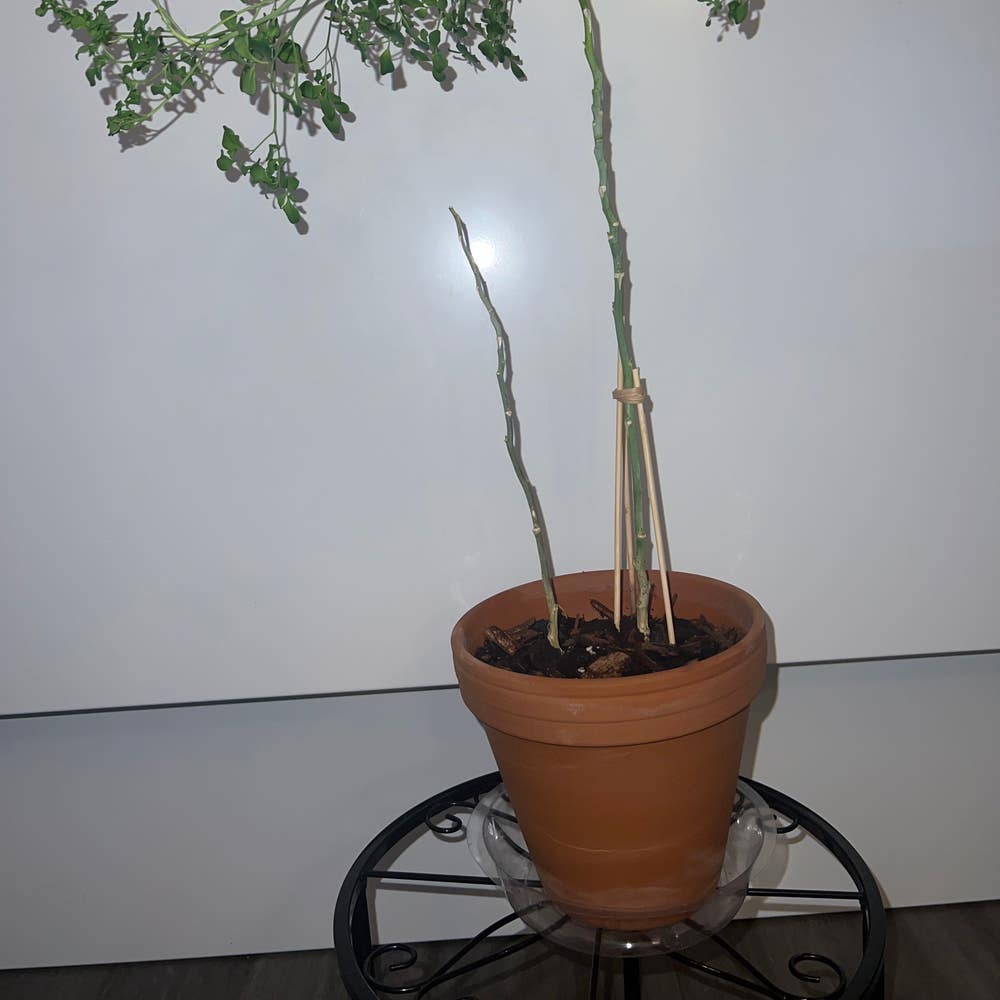
Use techniques like pinching back stems to promote bushiness and prevent legginess. A well-shaped rue not only looks better but also grows more vigorously.
With these placement and maintenance tips, your rue will not only survive but thrive, setting the stage for a flourishing indoor garden. Next, let’s explore the watering needs essential for keeping your rue healthy and vibrant.
⚠️ Safety First
This content is for general information and may contain errors, omissions, or outdated details. It is not medical, veterinary advice, or an endorsement of therapeutic claims.
Always consult a qualified healthcare professional before using any plant as food, medicine, or supplement.
Never eat any plant (or feed one to pets) without confirming its identity with at least two trusted sources.
If you suspect poisoning, call Poison Control (800) 222-1222, the Pet Poison Helpline (800) 213-6680, or your local emergency service immediately.
Spotted an error? Please report it here.
Grow your rue thriving indoors 🌱 with Greg's tailored care reminders and expert tips to keep your plant healthy and happy all year round!