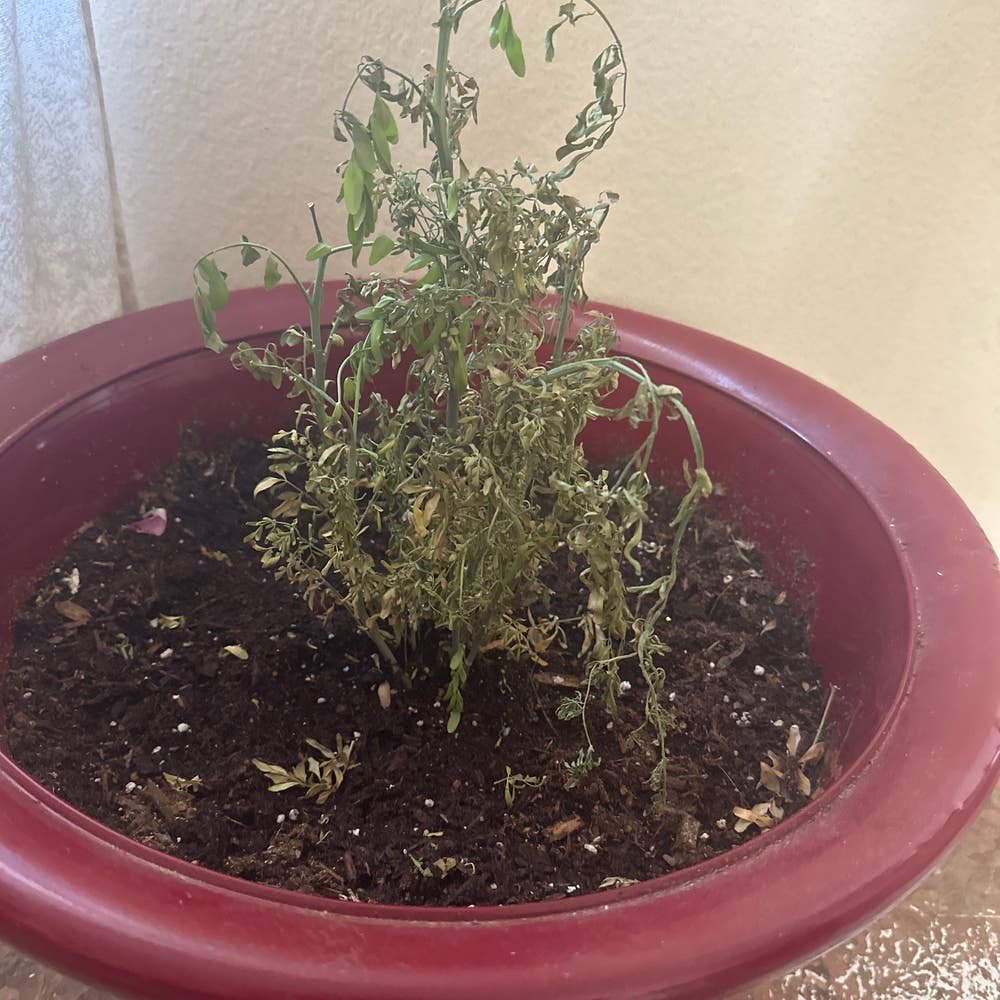
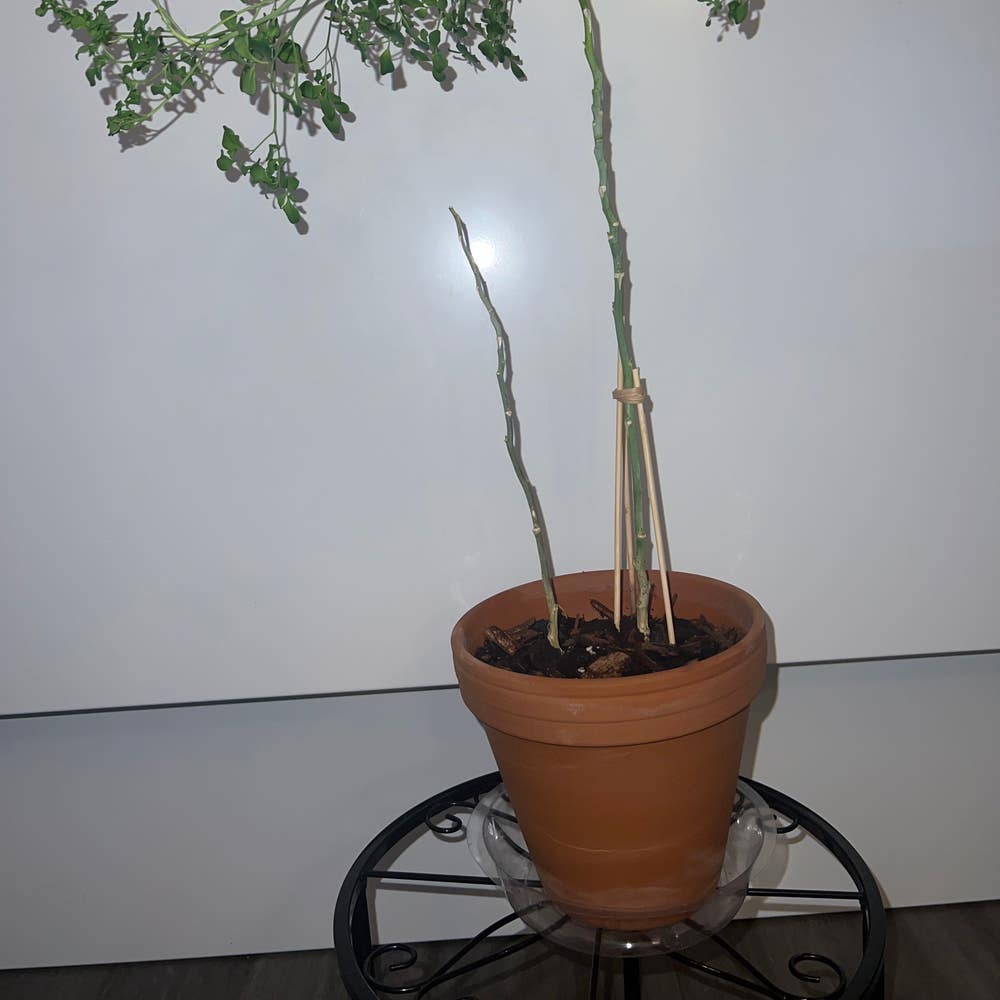
5 Tips for Healing Black Spots on Your Rue 🩹
Ruta graveolens
By the Greg Editorial Team
Oct 11, 2024•4 min read
This article was created with the help of AI so we can cover more plants for you. May contain errors. See one? Report it here.
Revitalize your rue 🌿 by mastering infection diagnosis and treatments for thriving, vibrant growth!
- 🌱 Identify infections: Fungal spots are dark; bacterial spots are irregular and water-soaked.
- 💧 Prevent root issues: Allow soil to dry between waterings for healthy rue growth.
- 🌞 Rue needs sunlight: Ensure 6-8 hours of direct sun for optimal health.
Diagnosing the Problem
🦠 Differentiating between infections
Identifying the type of infection is crucial for effective treatment. Fungal infections typically present as dark, velvety spots on the leaves and may come with a powdery residue, indicating a fungal presence.
On the other hand, bacterial infections manifest as water-soaked spots that can ooze and are often irregular in shape. Recognizing these differences can help you choose the right course of action.
🌍 Identifying environmental stressors
Environmental factors play a significant role in plant health. Watering practices are essential; overwatering or underwatering can severely affect root health, leading to stress and disease.
Sunlight exposure is another critical factor. Insufficient light can weaken plants, making them more susceptible to infections. Aim for full sun to keep your rue thriving.
Lastly, consider temperature fluctuations. Extreme heat or cold can stress your plants, impacting their resilience. Keeping your rue in a stable environment will help prevent issues down the line.
Understanding these factors is the first step toward healing your rue. Next, we’ll explore effective treatment options to tackle those pesky black spots.
Treatment Options
🌱 Organic Treatments
Neem Oil
Neem oil is a powerful organic solution for treating black spots. To apply, mix 2 tablespoons of neem oil with a gallon of water and spray it on the affected areas every 7-14 days.
Baking Soda Solution
A simple baking soda solution can help combat fungal infections. Mix 1 tablespoon of baking soda with 1 gallon of water and a few drops of dish soap. Spray this mixture on the leaves, ensuring thorough coverage, every 7-10 days.
Garlic Spray
Garlic spray is another effective remedy against fungal infections. Blend 2-3 cloves of garlic with water, strain the mixture, and spray it on the affected plants. This natural treatment not only helps fight fungi but also deters pests.
🧪 Chemical Treatments
Fungicides
When organic options aren't enough, chemical fungicides can be effective. Look for products containing copper or sulfur, and follow the manufacturer's instructions for application.
Precautions
Always take safety measures when using chemical treatments. Wear gloves and a mask, and ensure proper ventilation to protect yourself and your plants.
📋 Step-by-Step Guide to Applying Treatments
- Identify the type of infection: Determine if it's fungal or bacterial.
- Choose the appropriate treatment: Decide between organic or chemical options.
- Prepare the treatment solution: Follow the instructions for your chosen method.
- Apply to affected areas: Ensure even coverage for maximum effectiveness.
- Monitor plant response: Keep an eye on your plants and reapply as necessary.
By following these treatment options, you can effectively address black spots on your rue and promote healthier growth. Next, let’s explore preventive measures to keep your plants thriving.
Preventive Measures
Best Watering Practices 💧
To keep your rue healthy, it's crucial to manage your watering routine effectively. Allow the soil to dry out between waterings to prevent root rot and promote strong growth.
Deep watering is another essential technique. This encourages roots to grow deeper, making your plant more resilient to stress and drought.
Ideal Sunlight and Temperature Conditions ☀️
Rue thrives in full sun, requiring 6 to 8 hours of direct sunlight daily. This exposure helps the plant develop robust foliage and vibrant colors.
Temperature also plays a significant role in its health. Rue prefers moderate temperatures, ideally between 15°C to 25°C (59°F to 77°F), to flourish without stress.
Soil Health and Amendments 🌱
The right soil type is vital for rue's success. Aim for well-draining sandy loam to ensure proper moisture retention and aeration.
Consider adding amendments like compost or perlite. These not only improve drainage but also enrich the soil, providing essential nutrients for your plant's growth.
By implementing these preventive measures, you can significantly reduce the risk of black spots and promote a thriving rue plant. Next, let’s explore ongoing care and maintenance to keep your plant in top shape.
Ongoing Care and Maintenance
Regular Inspection of Leaves 🌿
To keep your rue healthy, conduct weekly checks for early signs of black spots. Look for changes in leaf color, texture, and overall health to catch issues before they escalate.
Seasonal Care Adjustments 🌦️
Adjust your watering and fertilization routines based on the seasons. As temperatures drop, prepare your plants for winter by implementing protective measures against cold stress.
Importance of Proper Pruning and Sanitation ✂️
Proper pruning is essential for maintaining plant health. Remove affected leaves promptly to prevent the spread of infections.
Sanitation Practices 🧼
Keep your gardening tools clean and remove any debris from around your plants. This simple practice can significantly reduce the risk of disease and promote a healthier growing environment.
By staying vigilant and proactive in your care routine, you can ensure your rue thrives year-round. Next, let’s explore preventive measures to keep your plants in top shape.
⚠️ Safety First
This content is for general information and may contain errors, omissions, or outdated details. It is not medical, veterinary advice, or an endorsement of therapeutic claims.
Always consult a qualified healthcare professional before using any plant as food, medicine, or supplement.
Never eat any plant (or feed one to pets) without confirming its identity with at least two trusted sources.
If you suspect poisoning, call Poison Control (800) 222-1222, the Pet Poison Helpline (800) 213-6680, or your local emergency service immediately.
Spotted an error? Please report it here.
Heal those black spots on your rue and watch it thrive 🌿 with Greg's tailored care reminders and expert tips for a vibrant garden!