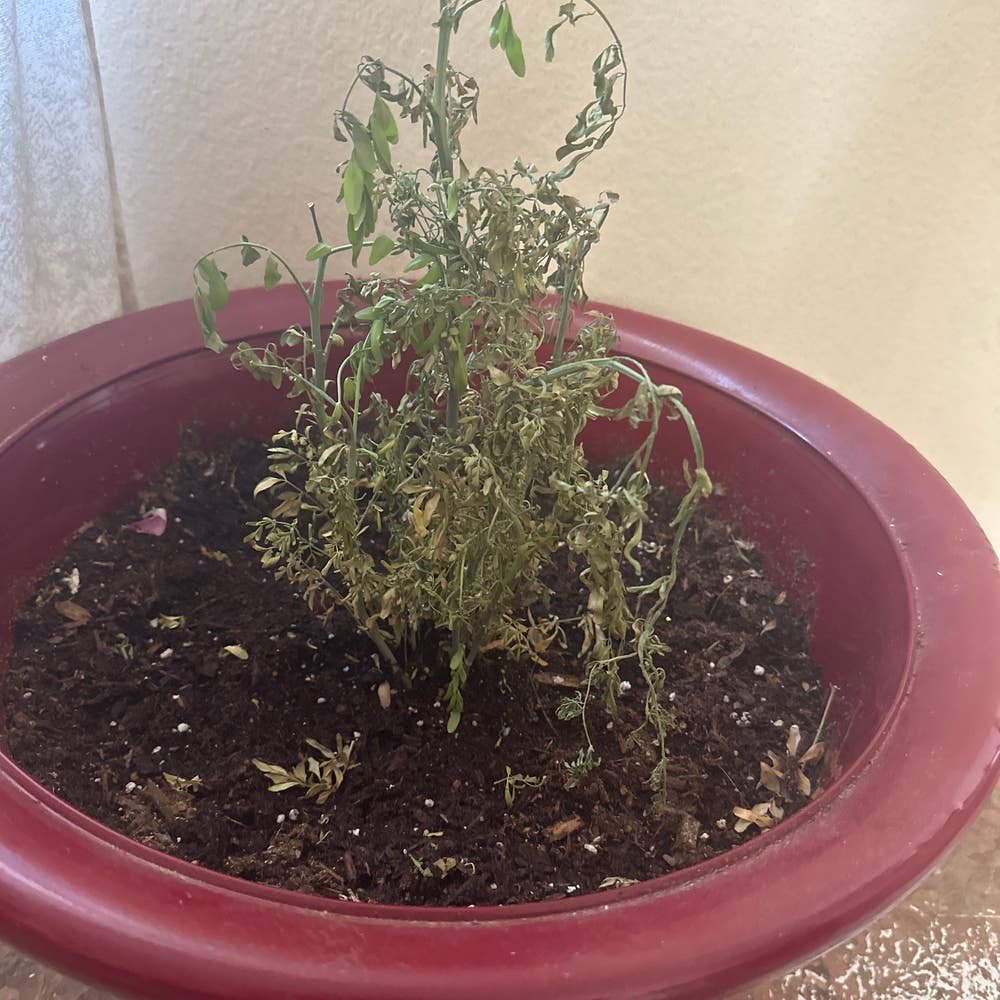
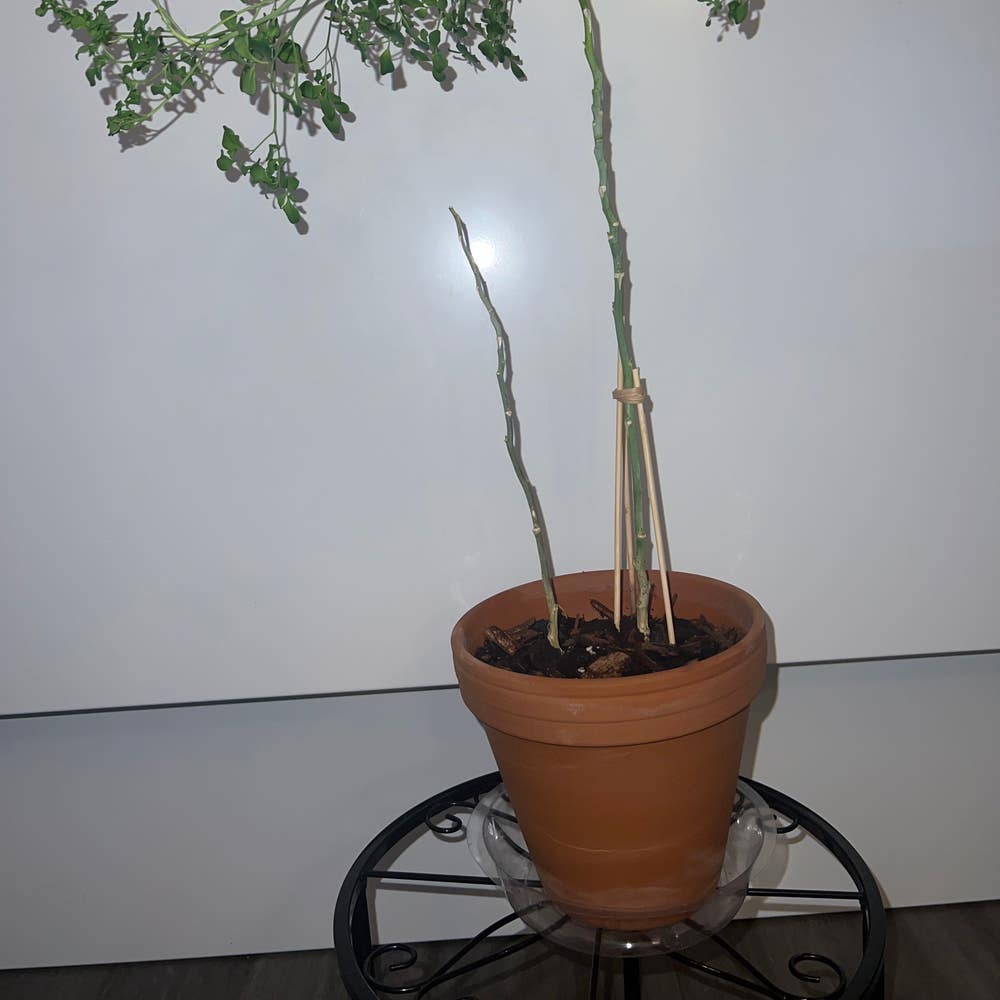
5 Tips for Healing Leaves Falling Over on Your Rue 🩹
Ruta graveolens
By the Greg Editorial Team
Oct 11, 2024•6 min read
This article was created with the help of AI so we can cover more plants for you. May contain errors. See one? Report it here.
Transform your drooping rue into a thriving beauty 🌿 with essential tips on care and prevention!
- 💧 Overwatering and underwatering both cause drooping leaves; balance is key!
- 🌱 Nutrient deficiencies can lead to pale leaves; use balanced fertilizer regularly.
- 🐛 Pests like aphids and spider mites weaken rue; inspect plants frequently for early signs.
Causes of Leaves Falling Over
💧 Overwatering and Its Effects
Overwatering is a common issue that manifests through yellowing leaves and soggy soil. This condition can lead to root rot, ultimately weakening the root system and causing the leaves of your rue to droop.
🚰 Underwatering and Dehydration
On the flip side, underwatering can create crispy, dry leaves and wilting. This stress on the plant can also result in drooping leaves, making it crucial to find the right balance.
🥦 Nutrient Deficiencies
Nutrient deficiencies can significantly impact your rue's health. Common deficiencies include nitrogen, potassium, and magnesium, which often result in pale leaves, poor growth, and even leaf drop.
🐜 Pest Infestations
🐞 Aphids
Aphids are notorious for leaving a sticky residue on leaves and causing them to curl. Their presence weakens the plant, leading to further drooping.
🕷️ Spider Mites
Spider mites can be identified by fine webbing and stippled leaves. These pests reduce the vigor of your rue, causing additional stress that contributes to leaf droop.
🌡️ Environmental Stress
🌡️ Temperature
Rue thrives in a temperature range of 15°C to 25°C (59°F to 77°F). Extreme temperatures can cause leaf droop, signaling that your plant is under stress.
💨 Humidity
Moderate humidity levels of 40%-60% are ideal for rue. Low humidity can lead to leaf curling and drooping, indicating that your plant needs a more humid environment.
Understanding these causes is the first step in addressing the issue of falling leaves. Next, we’ll explore how to diagnose the specific problems affecting your rue.
Diagnosing the Problem
🌊 Signs of Overwatering vs. Underwatering
Overwatering can be a sneaky culprit. Look for soggy soil and yellowing leaves as telltale signs that your rue is drowning.
On the flip side, underwatering shows up as dry, crispy leaves and wilting. If your plant looks parched, it’s time to hydrate!
🐛 Identifying Pests
A visual inspection is your best friend when it comes to spotting pests. Check the undersides of leaves and stems for any unwelcome visitors.
If you notice a sticky residue, that’s a strong indicator of aphids. These little pests can wreak havoc on your plant’s health.
🍃 Recognizing Nutrient Deficiency Symptoms
Nutrient deficiencies can also lead to leaf droop. A nitrogen deficiency often manifests as yellowing of older leaves, signaling your plant needs a boost.
Potassium deficiency, on the other hand, shows up as browning leaf edges. Keep an eye out for these signs to ensure your rue thrives.
☀️ Assessing Environmental Conditions
Light
Rue loves the sun! Ideally, it should get full sun exposure for 6-8 hours daily.
If your plant is stretching or drooping, it might not be getting enough light. Adjust its placement to help it flourish.
🌡️ Temperature
Monitoring temperature is crucial for your rue's health. Aim for a cozy range of 15°C to 25°C (59°F to 77°F).
Using a thermometer can help you keep track. If temperatures stray too far from this range, your plant may show signs of stress.
With these diagnostic tips, you’ll be well-equipped to identify what’s ailing your rue. Next, let’s explore some effective solutions for healing those drooping leaves!
Solutions for Healing Leaves
🌊 Adjusting Watering Practices
To start, checking soil moisture is crucial. Use a moisture meter or your finger to gauge how wet the soil is.
Next, adjust your watering frequency. Allow the top inch of soil to dry out before giving your rue another drink.
Look for signs of recovery, such as new growth and firm leaves. These indicators show your plant is bouncing back.
🏞️ Soil Amendments for Better Drainage
Improving soil drainage is essential for healthy rue. A recommended mix is 50% potting soil, 25% perlite, and 25% sand.
This combination prevents root rot and enhances aeration, allowing your plant to thrive.
🌱 Fertilization Strategies
Fertilizing your rue can make a significant difference. Use a balanced NPK fertilizer, like 10-10-10, to provide essential nutrients.
Apply it every 4-6 weeks during the growing season. You’ll know it’s working when you see dark green leaves and increased growth.
🐛 Pest Control Methods
🌿 Organic Options
For pest control, consider organic methods first. Neem oil is effective; apply it every 7-14 days for best results.
Insecticidal soap is another great option. Make sure to follow the instructions for effective application.
⚗️ Chemical Options
If pests persist, you might need chemical solutions. Choose pesticides that are safe for edible plants.
Timing is key; apply them early in the morning or late in the evening to minimize harm to beneficial insects.
🌞 Environmental Adjustments
💡 Light
Light exposure is vital for rue's health. If your plant isn’t getting enough sun, move it to a sunnier spot.
Consider using grow lights if natural light is insufficient. This can help your plant flourish even in low-light conditions.
💧 Humidity
Humidity levels also play a role in your plant's well-being. To increase humidity, use a humidity tray or mist your rue regularly.
These adjustments can create a more favorable environment, promoting healthier growth.
With these solutions in place, your rue should start to perk up. Next, let’s explore some preventative measures to keep your plant thriving long-term.
Preventative Measures
Best Practices for Watering 🌊
Establishing a consistent watering schedule is crucial for your rue. Water weekly during dry spells and bi-weekly in cooler months to keep the soil just right.
Healthy, upright leaves are your best indicators of proper watering. If they start drooping, it’s time to reassess your routine.
Ideal Soil Mix 🌱
A well-draining soil mix is essential for rue's health. Combine organic matter with other components to prevent water retention and promote robust root growth.
This balance ensures your plant thrives without the risk of root rot.
Regular Pest Monitoring and Control 🐛
Make pest inspections a weekly habit. Early detection is key; if you spot any pests, remove them manually or apply treatments promptly.
Staying proactive can save your rue from significant damage.
Seasonal Care Tips 🍂
Adjust your care routine with the seasons. In spring, focus on fertilization and repotting to give your rue a fresh start.
During summer, increase your watering and stay vigilant against pests. As fall and winter approach, reduce watering and protect your plant from frost.
Importance of Proper Light Exposure ☀️
Ensure your rue gets full sun exposure for optimal growth. Position it where it can soak up those rays, and consider rotating pots for even light distribution.
This simple adjustment can make a world of difference in your plant's vitality.
By implementing these preventative measures, you can keep your rue healthy and thriving. Next, let’s explore how to diagnose any issues that may arise.
⚠️ Safety First
This content is for general information and may contain errors, omissions, or outdated details. It is not medical, veterinary advice, or an endorsement of therapeutic claims.
Always consult a qualified healthcare professional before using any plant as food, medicine, or supplement.
Never eat any plant (or feed one to pets) without confirming its identity with at least two trusted sources.
If you suspect poisoning, call Poison Control (800) 222-1222, the Pet Poison Helpline (800) 213-6680, or your local emergency service immediately.
Spotted an error? Please report it here.
Revive your rue's drooping leaves and thrive 🌱 with Greg's tailored watering reminders and pest monitoring, ensuring your plant gets the care it needs to flourish!