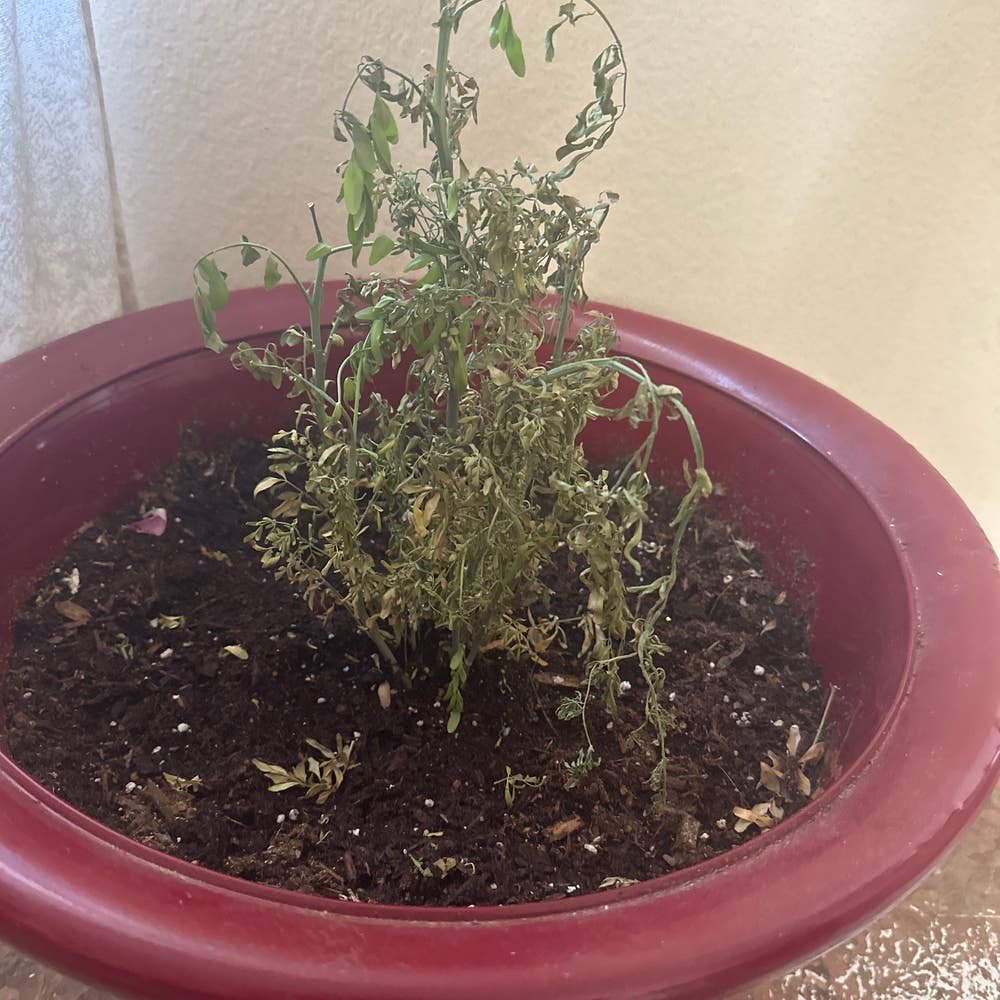
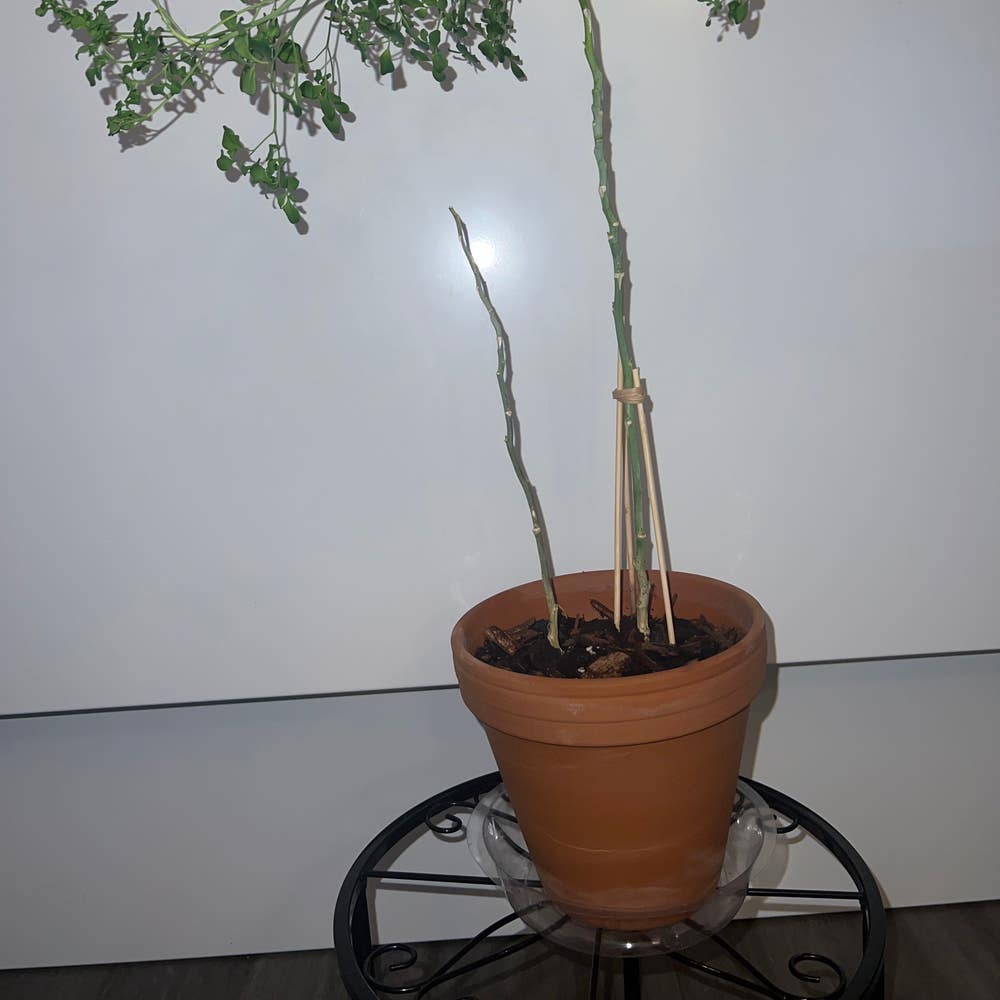
🍂 Rue Buds Falling off
Ruta graveolens
By the Greg Editorial Team
Oct 11, 2024•5 min read
This article was created with the help of AI so we can cover more plants for you. May contain errors. See one? Report it here.
Revitalize your rue blooms 🌼 by mastering essential care tips and overcoming common growth challenges!
- 🌞 Rue needs 6-8 hours of sunlight daily for optimal blooming.
- 🌱 Healthy soil and nutrients are crucial; improve with organic matter and balanced fertilizers.
- 🚫💧 Avoid overwatering to prevent root rot and bud drop in rue plants.
Failure to Bloom
🌞 Causes
Insufficient Light
Rue thrives in full sun, requiring 6-8 hours of direct sunlight daily. Without this, you might notice your plant struggling to bloom.
Poor Soil Quality
Heavy, compacted, or poorly drained soils can severely hinder root development. This lack of a healthy root system directly impacts the plant's ability to flower.
Inadequate Nutrition
A deficiency in essential nutrients can prevent flowering altogether. If your rue isn't getting what it needs, it simply won't produce those beautiful blooms.
💡 Solutions
Adjusting Light Exposure
To boost blooming, consider moving your rue to a sunnier spot. If indoors, using grow lights can effectively mimic the sunlight it craves.
Amending Soil
Improving soil quality is crucial. Incorporate organic matter or well-draining soil mixes to create a more hospitable environment for your rue.
Fertilization Tips
Using a balanced fertilizer during the growing season can make a significant difference. This ensures your plant receives the nutrients it needs to thrive and bloom beautifully.
By addressing these common causes and implementing practical solutions, you can help your rue flourish and enjoy its vibrant blooms. Next, let’s explore the issue of premature flower drop and how to tackle it effectively.
Premature Flower Drop
🌡️ Causes
Environmental Stress
Sudden temperature changes or extreme weather can put your rue plants under stress. This stress often leads to premature flower drop, leaving you with fewer blooms than expected.
Overwatering
Excess moisture is another culprit. Overwatering can cause root rot, which severely impacts the plant's ability to retain its flowers.
Pest Infestations
Pests like aphids can weaken your plants, making them more susceptible to dropping buds. Regular monitoring is essential to catch these infestations early.
🛠️ Solutions
Watering Techniques
Implementing a consistent watering schedule is crucial. Allow the soil to dry out between waterings to prevent excess moisture from harming your plants.
Pest Management Strategies
Regularly inspect your rue plants for signs of pests. If you spot any, consider using insecticidal soap or neem oil to manage infestations effectively.
By addressing these causes and solutions, you can help your rue plants thrive and enjoy a vibrant display of flowers. Next, let’s explore abnormal flower development and how to tackle it.
Abnormal Flower Development
🌱 Causes
Nutrient Deficiencies
Nutrient deficiencies can significantly impact flower development. A lack of specific nutrients often leads to malformed or poorly developed flowers.
Improper Pruning
Improper pruning techniques can disrupt the plant's natural growth cycle. This misstep can result in weak stems and fewer blooms.
Disease
Diseases, particularly fungal infections, can severely affect flower quality. Infected plants may struggle to produce healthy blooms.
💡 Solutions
Nutrient Supplementation
To combat nutrient deficiencies, apply targeted fertilizers based on the specific needs of your rue plants. Regular soil testing can help identify what nutrients are lacking.
Correct Pruning Methods
Use sharp, clean tools for pruning to minimize stress on the plant. Prune at the right time to encourage robust growth and flowering.
Disease Prevention
Maintaining good air circulation around your plants is crucial for disease prevention. Avoid overhead watering to reduce moisture on leaves, which can lead to fungal issues.
By addressing these causes and implementing effective solutions, you can promote healthier flower development in your rue plants. This proactive approach not only enhances blooming but also contributes to the overall vitality of your garden.
Next, let’s explore how light conditions impact flowering and what you can do to optimize them.
Impact of Light on Flowering
Optimal Light Conditions for Rue 🌞
Rue thrives in full sun, making it essential for healthy flowering. Aim for 6-8 hours of direct sunlight daily to keep your plants vibrant and productive.
Effects of Insufficient Light on Blooming 🌑
When rue doesn’t get enough light, it shows clear signs of distress. You might notice stunted growth, fewer flowers, and elongated stems as the plant stretches toward the light.
Solutions for Low Light Issues 💡
To remedy low light conditions, consider relocating your plants to sunnier spots. If indoors, using supplemental grow lights can make a significant difference in their growth and blooming potential.
By ensuring your rue receives the right amount of light, you set the stage for a flourishing garden. Next, let’s explore the nutritional needs that support robust flowering.
Nutritional Needs for Flowering
🌱 Essential Nutrients for Rue
Rue plants thrive on a balanced diet of key nutrients, primarily nitrogen, phosphorus, and potassium. These elements are vital for robust growth and vibrant blooms.
Micronutrients like calcium, magnesium, and iron also play a crucial role in maintaining overall plant health. They support various physiological functions, ensuring your rue flourishes.
⚠️ Signs of Nutritional Deficiencies
Keep an eye out for yellowing leaves, which often signal a nitrogen deficiency. This can stunt growth and diminish the plant's vitality.
If you notice poor flower development, it may indicate a lack of phosphorus or potassium. Addressing these deficiencies promptly can lead to healthier blooms and a more vibrant garden.
By understanding and meeting the nutritional needs of your rue, you can foster a thriving plant that rewards you with beautiful flowers. Next, let's explore how light conditions impact flowering and overall plant health.
⚠️ Safety First
This content is for general information and may contain errors, omissions, or outdated details. It is not medical, veterinary advice, or an endorsement of therapeutic claims.
Always consult a qualified healthcare professional before using any plant as food, medicine, or supplement.
Never eat any plant (or feed one to pets) without confirming its identity with at least two trusted sources.
If you suspect poisoning, call Poison Control (800) 222-1222, the Pet Poison Helpline (800) 213-6680, or your local emergency service immediately.
Spotted an error? Please report it here.
Keep your rue plants blooming brilliantly 🌼 by using Greg's tailored care reminders and nutrient tracking to ensure they get the sunlight and nutrients they crave!