☀️ 9 Outdoor Care Hacks for Rue
Ruta graveolens
By the Greg Editorial Team
Oct 11, 2024•5 min read
This article was created with the help of AI so we can cover more plants for you. May contain errors. See one? Report it here.
Transform your garden with thriving rue plants by mastering sunlight, watering, and care tips! 🌱
- ☀️ Rue needs 6-8 hours of sunlight daily for optimal growth and flowering.
- 💧 Water rue 1-2 times weekly initially; it becomes drought-tolerant once established.
- 🐞 Control pests like aphids with neem oil or introduce ladybugs for natural protection.
Sunlight Requirements
Ideal Sunlight Exposure 🌞
Rue thrives in full sun, requiring 6-8 hours of direct sunlight daily. This exposure is crucial as it promotes healthy foliage and vibrant flowering, making your garden a visual delight.
Effects of Insufficient Sunlight 🌑
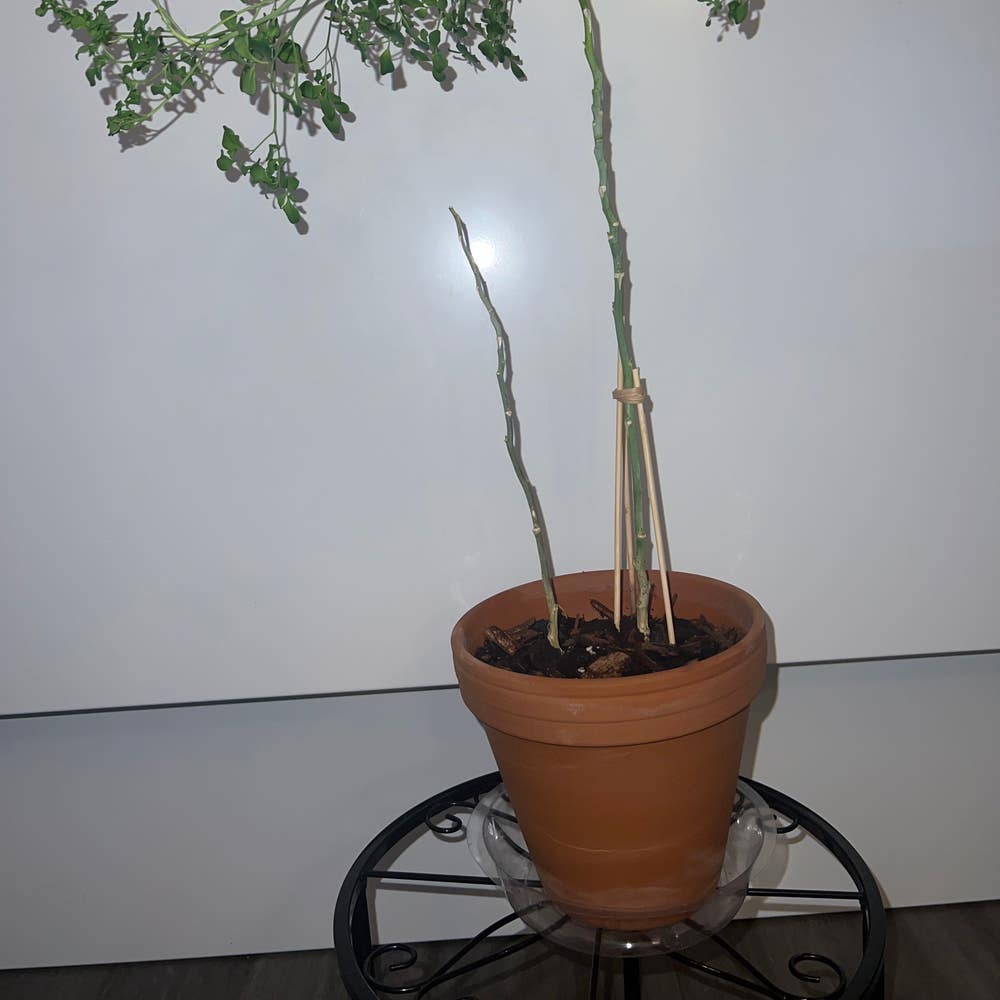
When rue doesn’t get enough sunlight, it can suffer from stunted growth and a leggy appearance. Additionally, insufficient light increases its vulnerability to pests and diseases, making it essential to ensure your plant gets the sun it craves.
Summary 📜
By providing the right amount of sunlight, you set the stage for a flourishing rue plant. Next, let’s explore its watering needs to keep it thriving.
Watering Needs and Frequency
Initial Watering Requirements 🌧️
During the first growing season, rue needs consistent moisture to establish its roots. Aim to water 1-2 times per week, adjusting based on rainfall.
Established Plant Watering 💧
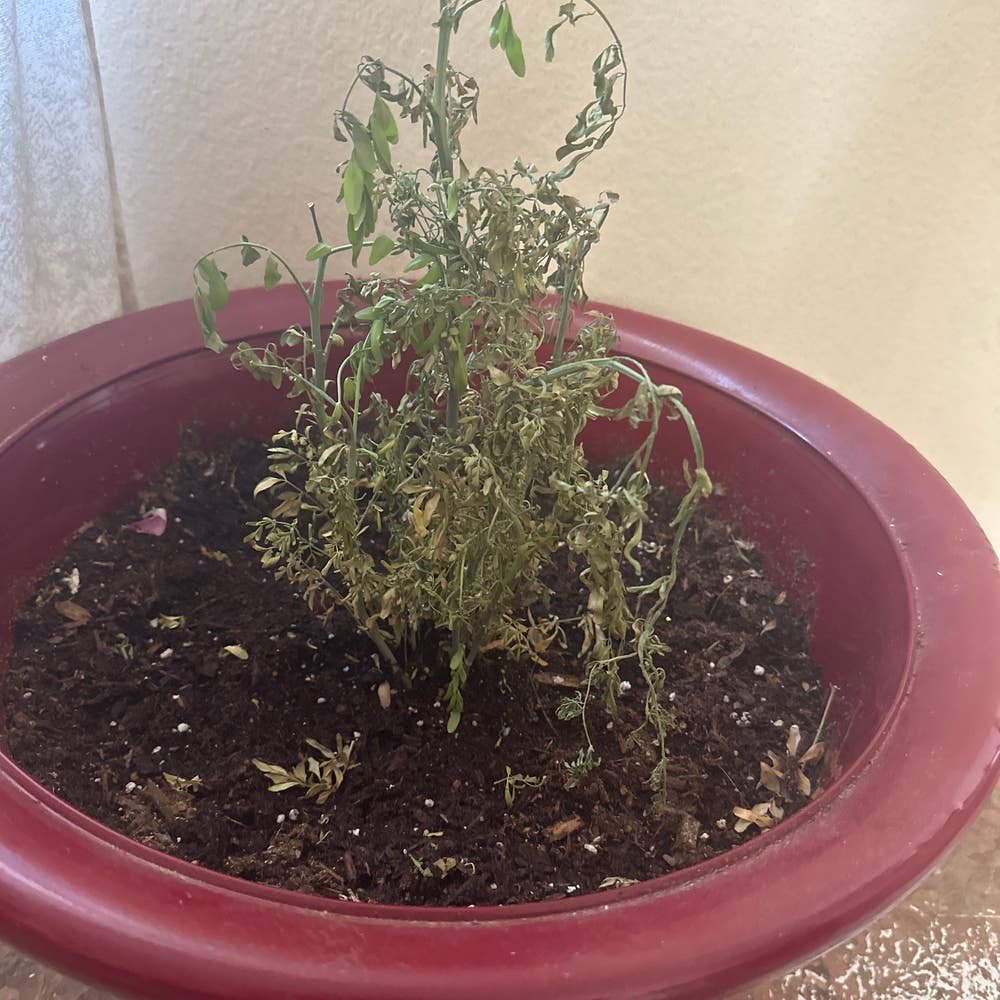
Once your rue is established, it becomes more drought-tolerant. You can reduce the frequency of watering, but be vigilant for signs of overwatering, such as yellowing leaves, wilting, or root rot.
Best Practices for Watering 🌱
To keep your rue thriving, water at the base of the plant. This method helps avoid wetting the foliage, which can lead to fungal issues.
Additionally, ensure you're using well-draining soil. This prevents waterlogging, allowing your rue to flourish without drowning.
With these watering tips in mind, you're well on your way to nurturing a healthy rue plant. Next, let’s explore the ideal soil preferences and amendments to further enhance its growth.
Soil Preferences and Amendments
Ideal Soil Conditions 🌱
Rue thrives best in well-drained soil that leans slightly alkaline to neutral, with a pH between 6.0 and 7.5. Sandy loam or loamy soil is ideal, providing the right balance of drainage and moisture retention.
Soil Amendments 🧑🌾
To boost nutrient levels and improve drainage, consider adding compost to your soil. If your soil's pH is too low, incorporating lime can help raise it to the desired level, ensuring your rue plants flourish.
By focusing on these soil preferences and amendments, you'll set the stage for a healthy, vibrant rue garden. Next, let’s explore how to effectively fertilize your plants for optimal growth.
Fertilization Tips
Fertilization Schedule 🌱
To keep your rue thriving, start with light feeding in early spring using a balanced fertilizer. Aim to fertilize every 4-6 weeks throughout the growing season to support robust growth.
Types of Fertilizers 🌿
Consider organic options like compost tea or fish emulsion for a nutrient boost. Be cautious, though—over-fertilization can lead to nutrient burn, which shows up as brown edges on leaves.
Practical Tips for Fertilizing 📝
- Always follow the recommended dosage on fertilizer packaging to avoid harming your plant.
- Observe your rue; if it looks vibrant and healthy, you’re likely on the right track.
Final Thoughts 🌼
With the right fertilization strategy, your rue will flourish, adding beauty and resilience to your garden. Next, let’s explore how to protect your plants from weather extremes and pests to ensure they stay healthy year-round.
Weather Protection and Pest Management
🌞 Strategies for Protecting from Extreme Heat
To keep your rue thriving in scorching temperatures, providing shade during peak sun hours is essential. Consider using shade cloth or strategically placing taller plants nearby to shield your rue from direct sunlight.
Mulching is another effective strategy. A layer of organic mulch not only retains soil moisture but also helps regulate temperature, keeping the roots cool and happy.
❄️ Strategies for Protecting from Frost
Frost can be a real threat to your rue, especially in colder months. Covering your plants with frost cloth or burlap can provide a protective barrier against chilly air.
For container plants, moving them indoors during cold snaps is a smart move. This simple action can prevent frost damage and ensure your plants stay healthy.
🐜 Common Outdoor Pests
Aphids are a common nuisance, and their presence can be spotted by curled leaves and sticky residue on the plant. These tiny pests can quickly multiply, so early detection is key.
Spider mites are another pest to watch for. Look for fine webbing and stippled leaves, which indicate their presence and can lead to significant damage if not addressed promptly.
🌱 Organic Pest Control Methods
When it comes to managing pests like aphids, organic solutions can be highly effective. Neem oil and insecticidal soap are great options that can help control these pests without harming beneficial insects.
Speaking of beneficial insects, introducing ladybugs to your garden can be a game-changer. These natural predators feast on aphids, helping to keep their populations in check.
By implementing these weather protection strategies and pest management techniques, you can create a thriving environment for your rue. Next, let’s explore the seasonal care tips that will keep your plants flourishing throughout the year.
Seasonal Care
Spring Care Tips 🌱
Spring is the perfect time to rejuvenate your rue plants. Start by pruning back any dead growth to encourage fresh, vibrant new shoots.
Next, give your plants a boost with a balanced fertilizer. This light feeding will set the stage for a flourishing growing season.
Summer Care Considerations ☀️
As summer heats up, regular watering becomes essential. Ensure your rue plants stay hydrated and consider adding mulch to help retain soil moisture.
Keep an eye out for pests and diseases. Early detection is key to maintaining healthy plants throughout the summer.
Fall Preparation 🍂
As temperatures begin to cool, it's time to reduce watering. Rue plants need less moisture as they prepare for dormancy.
Prepare for winter by mulching around the base of your plants. This will help insulate the roots and protect them from harsh conditions.
Winter Care and Protection ❄️
If you have container plants, protect them from freezing temperatures. Moving them indoors or to a sheltered location can make a significant difference.
During dormancy, avoid overwatering. Rue plants need minimal moisture in winter, so check the soil before watering to prevent root rot.
With these seasonal care tips, your rue plants will thrive year-round. Next, let’s dive into the essential watering needs and frequency for optimal growth.
⚠️ Safety First
This content is for general information and may contain errors, omissions, or outdated details. It is not medical, veterinary advice, or an endorsement of therapeutic claims.
Always consult a qualified healthcare professional before using any plant as food, medicine, or supplement.
Never eat any plant (or feed one to pets) without confirming its identity with at least two trusted sources.
If you suspect poisoning, call Poison Control (800) 222-1222, the Pet Poison Helpline (800) 213-6680, or your local emergency service immediately.
Spotted an error? Please report it here.
Keep your rue thriving with seasonal care hacks 🌱 and let Greg provide you with tailored reminders and tips to ensure your plants flourish all year round!