Best Temperature Conditions for Rue 🌡️
Ruta graveolens
By the Greg Editorial Team
Oct 11, 2024•4 min read
This article was created with the help of AI so we can cover more plants for you. May contain errors. See one? Report it here.
Ensure your rue thrives 🌱 by mastering temperature care tips to combat extreme heat and cold stress!
- ❄️ Rue tolerates cold down to 20°F, but frost can cause damage.
- 🌡️ Ideal temperature range is 60°F to 75°F for optimal growth.
- 🌞 Monitor for wilting and discoloration to prevent temperature stress in rue.
Temperature Extremes and Their Effects
❄️ Cold Tolerance
Rue is surprisingly resilient, but it has its limits. When temperatures dip below 20°F (-6°C), the plant can suffer significant damage.
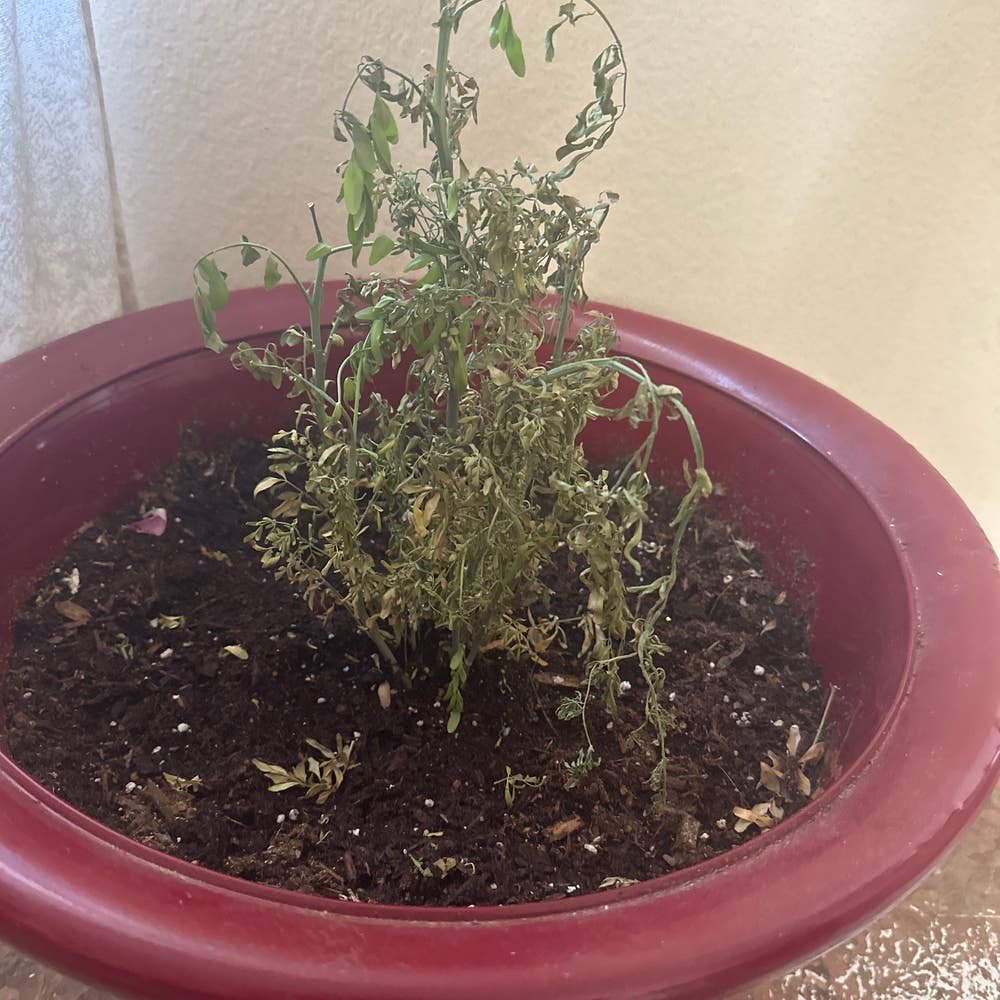
Frost can manifest in various ways, primarily through wilting and leaf discoloration. If you notice these symptoms, it’s a clear sign that your rue is feeling the chill.
🔥 Heat Tolerance
On the flip side, prolonged exposure to high temperatures above 75°F (24°C) can also stress rue. This heat can lead to wilting, stunted growth, and even leaf burn.
Understanding these temperature extremes is crucial for maintaining a healthy rue plant. By recognizing the signs of stress, you can take proactive steps to protect your plant from both cold and heat.
Signs of Temperature Stress
🌡️ Indicators of Stress
Temperature stress can manifest in several noticeable ways. One of the first signs is wilting leaves, which often indicates insufficient water uptake due to root stress.
Another common symptom is leaf discoloration. You might notice yellowing or browning leaves, signaling that your rue is struggling to cope with its environment.
Stunted growth is also a key indicator of temperature stress. If your plant appears smaller or less vigorous than usual, it may be reacting to unfavorable temperature conditions.
Recognizing these signs early can help you take action to protect your rue. By monitoring your plants closely, you can ensure they thrive despite temperature fluctuations.
Understanding these indicators is crucial for effective plant care. This knowledge sets the stage for exploring the causes of temperature stress next.
Causes of Temperature Stress
🌡️ Factors Leading to Stress
Temperature stress in rue can stem from several key factors. Sudden temperature fluctuations can shock the plant, making it difficult for it to adjust quickly.
Prolonged exposure to extreme temperatures, whether cold or hot, can also wreak havoc. This extended stress can lead to significant damage, impacting the plant's overall health.
Inadequate acclimatization is another critical factor. If rue fails to adapt to changing seasonal temperatures, it may struggle to thrive, leaving it vulnerable to stress.
Understanding these causes can help you take proactive measures to protect your rue plants. By monitoring temperature changes and ensuring proper acclimatization, you can foster a healthier growing environment.
As we explore the signs of temperature stress next, you'll learn how to identify these issues early on.
Seasonal Temperature Needs
Spring and Summer 🌞
Rue thrives best in a temperature range of 60°F to 75°F (15°C to 24°C). During the peak summer months, it's crucial to monitor for signs of heat stress.
To combat extreme heat, consider implementing shade strategies. Simple solutions like using shade cloth or positioning plants under larger foliage can make a significant difference.
Fall and Winter ❄️
As temperatures drop, gradual cooling becomes essential for rue's acclimatization. This process helps the plant prepare for the colder months ahead.
Protection from frost is vital. Covering plants or bringing them indoors when temperatures approach freezing can prevent damage.
Additionally, keep an eye out for cold stress symptoms as temperatures dip below 20°F (-6°C). Early detection can save your plants from severe frost damage.
Understanding these seasonal temperature needs will help you nurture your rue effectively, ensuring it remains healthy and vibrant throughout the year.
Mitigating Temperature Stress
🛡️ Protection Strategies
To safeguard your rue plants from temperature extremes, consider using row covers or cloches during cold snaps. These simple tools create a protective barrier, helping to maintain warmth and shield against frost.
During those scorching summer days, providing shade cloth can be a game changer. It reduces direct sunlight exposure, preventing heat stress and keeping your plants thriving.
Mulching is another effective strategy. A good layer of mulch regulates soil temperature and moisture levels, creating a more stable environment for your rue.
🌡️ Best Practices for Temperature Management
Regularly monitoring temperature fluctuations is essential for maintaining plant health. Keep an eye on local weather forecasts to anticipate any sudden changes.
Adjusting your watering and care routines based on seasonal temperature needs is equally important. This proactive approach ensures your rue gets the right amount of hydration and care, helping it flourish throughout the year.
By implementing these strategies and practices, you can effectively mitigate temperature stress and support the health of your rue plants. Next, let’s explore the signs of temperature stress to watch for in your garden.
⚠️ Safety First
This content is for general information and may contain errors, omissions, or outdated details. It is not medical, veterinary advice, or an endorsement of therapeutic claims.
Always consult a qualified healthcare professional before using any plant as food, medicine, or supplement.
Never eat any plant (or feed one to pets) without confirming its identity with at least two trusted sources.
If you suspect poisoning, call Poison Control (800) 222-1222, the Pet Poison Helpline (800) 213-6680, or your local emergency service immediately.
Spotted an error? Please report it here.
Keep your rue thriving in the perfect temperature 🌱 by using Greg to monitor conditions and adjust your care routine for optimal growth!