✂️ Ultimate Guide to Propagating Rue
Ruta graveolens
By the Greg Editorial Team
Oct 11, 2024•5 min read
This article was created with the help of AI so we can cover more plants for you. May contain errors. See one? Report it here.
Master the art of propagating Rue 🌱 with this essential guide to seeds, cuttings, and divisions for a flourishing garden!
- 🌱 Propagate Rue via seeds, cuttings, or division—each method has unique steps.
- 🌞 Optimal conditions for seed germination include 65°F-75°F and 12-16 hours of light.
- ✂️ Healthy cuttings taken in spring boost success; use rooting hormone for best results.
Propagating from Seeds
Step-by-step guide for seed propagation 🌱
To start propagating Rue from seeds, gather seeds from mature plants or purchase them from a reputable source. Next, prepare seed trays or pots filled with a well-draining soil mix to ensure healthy growth.
Sow the seeds at a depth of 1/4 inch, spacing them 1-2 inches apart. This spacing allows each seedling enough room to thrive without competing for resources.
Ideal conditions for germination 🌞
For optimal germination, maintain a temperature range of 65°F to 75°F (18°C to 24°C). Providing indirect sunlight or using grow lights for 12-16 hours daily will help your seeds flourish.
Moisture is crucial; keep the soil consistently moist but avoid waterlogging. This balance will create a nurturing environment for your seeds.
Timing for planting seeds ⏰
The best times to plant Rue seeds are early spring or late summer. These periods offer optimal conditions for growth.
Expect germination to take about 14-21 days. Patience is key, as healthy seedlings will soon emerge, ready for their next stage of growth.
With these steps, you’re well on your way to successfully propagating Rue from seeds. Next, let’s explore how to propagate Rue from cuttings for a different approach to growing this aromatic herb.
Propagating from Cuttings
🌱 Selecting the right cuttings
To successfully propagate Rue from cuttings, start by choosing healthy stems. Look for those with at least 2-3 nodes, preferably from the top of the plant, as they tend to root better.
The best time to take cuttings is during late spring to early summer. This timing aligns with the plant's active growth phase, increasing your chances of success.
✂️ Preparing cuttings for propagation
Once you've selected your cuttings, it's time to prepare them. Use clean, sharp scissors to cut the stems at a 45-degree angle, which helps maximize the surface area for rooting.
Next, remove the lower leaves from the cuttings. This step is crucial to prevent rot when the cut ends are submerged in water or soil.
🌿 Rooting hormone application
For enhanced root development, dip the cut end of each stem in rooting hormone. This hormone encourages faster and more robust root growth.
After dipping, tap off any excess hormone. This prevents clumping, ensuring that the hormone works effectively without hindering the rooting process.
🌡️ Ideal environment for rooting
Creating the right environment for your cuttings is essential. Place them in a humidity dome or cover them with a plastic bag to retain moisture, which is vital for successful rooting.
Maintain a temperature range of 70°F to 75°F (21°C to 24°C) and provide indirect light. This combination creates optimal conditions for your cuttings to thrive and develop roots.
With these steps, you're well on your way to propagating Rue from cuttings successfully. Next, let’s explore how to propagate Rue by division, another effective method for expanding your garden.
Propagating by Division
🌱 When to divide Rue plants
Dividing Rue plants is best done in early spring or fall when they are actively growing. Look for signs like crowded growth or reduced vigor, indicating it's time for a division.
🛠️ Tools needed for division
To successfully divide your Rue plants, gather the following tools:
- A sharp spade or garden fork for digging.
- A clean, sharp knife to cut through roots.
- Potting soil for replanting the divided sections.
📋 Step-by-step division process
- Water the plant a day before division to ease root removal.
- Carefully dig around the plant to expose the root ball.
- Gently separate the root ball into sections, ensuring each has roots and foliage.
- Replant divisions immediately in well-draining soil.
🌿 Post-division care tips
After replanting, water thoroughly to help the plants settle in. Providing partial shade for a week can also reduce transplant shock, giving your Rue the best chance to thrive.
With these steps, you'll be well on your way to successfully propagating Rue by division. Next, let’s troubleshoot common propagation issues to ensure your efforts yield healthy plants.
Troubleshooting Propagation
Common Issues with Seed Germination 🌱
Low germination rates can be frustrating. The primary culprits often include poor seed quality or age, along with inadequate moisture or temperature fluctuations.
Solutions for Improving Germination 🌟
To boost your chances of success, use fresh seeds and maintain proper soil moisture. Pre-soaking seeds for 24 hours before planting can also enhance germination rates.
Problems with Cuttings ✂️
Signs of Rot or Failure
When cuttings struggle, you'll notice yellowing leaves or mushy stems. A foul odor from the soil or cutting is another red flag.
How to Revive Struggling Cuttings 🔄
If you suspect rot, remove the cuttings from their medium and inspect them closely. Trim away any affected areas and re-root them in fresh soil or water to give them a second chance.
Division Challenges 🔍
Identifying Stress in Divided Plants
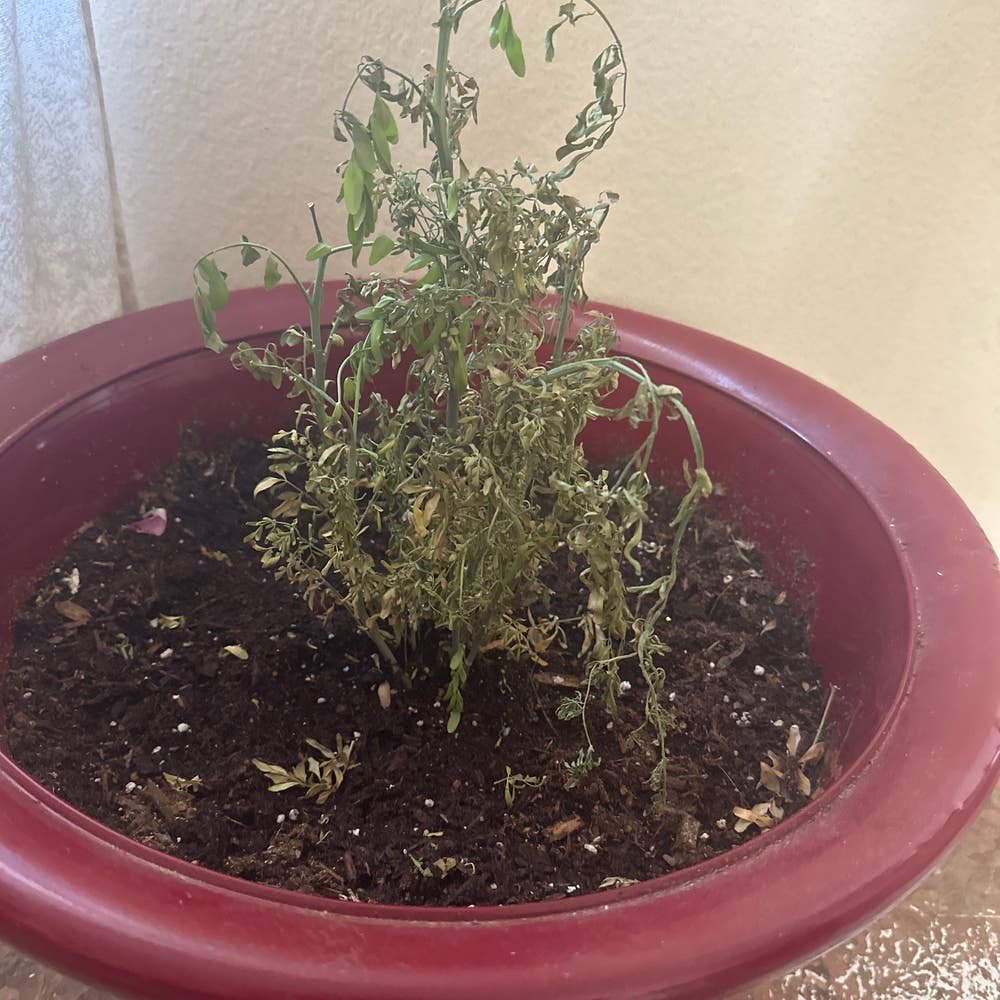
After dividing Rue plants, watch for signs of stress like wilting leaves or stunted growth. Discoloration or leaf drop can also indicate that your plants are struggling.
Recovery Strategies for Divided Rue 🌿
To help your divided Rue thrive, ensure consistent watering without overdoing it. Applying a diluted fertilizer can also encourage new growth and vitality.
With these troubleshooting tips, you can tackle common propagation challenges effectively. Next, let’s explore the exciting world of propagating Rue from cuttings!
⚠️ Safety First
This content is for general information and may contain errors, omissions, or outdated details. It is not medical, veterinary advice, or an endorsement of therapeutic claims.
Always consult a qualified healthcare professional before using any plant as food, medicine, or supplement.
Never eat any plant (or feed one to pets) without confirming its identity with at least two trusted sources.
If you suspect poisoning, call Poison Control (800) 222-1222, the Pet Poison Helpline (800) 213-6680, or your local emergency service immediately.
Spotted an error? Please report it here.
Unlock the secrets of successful Rue propagation 🌱 with Greg's tailored reminders and expert tips, ensuring your plants thrive every step of the way!